
Beautiful Plants For Your Interior
Beautiful Plants For Your Interior
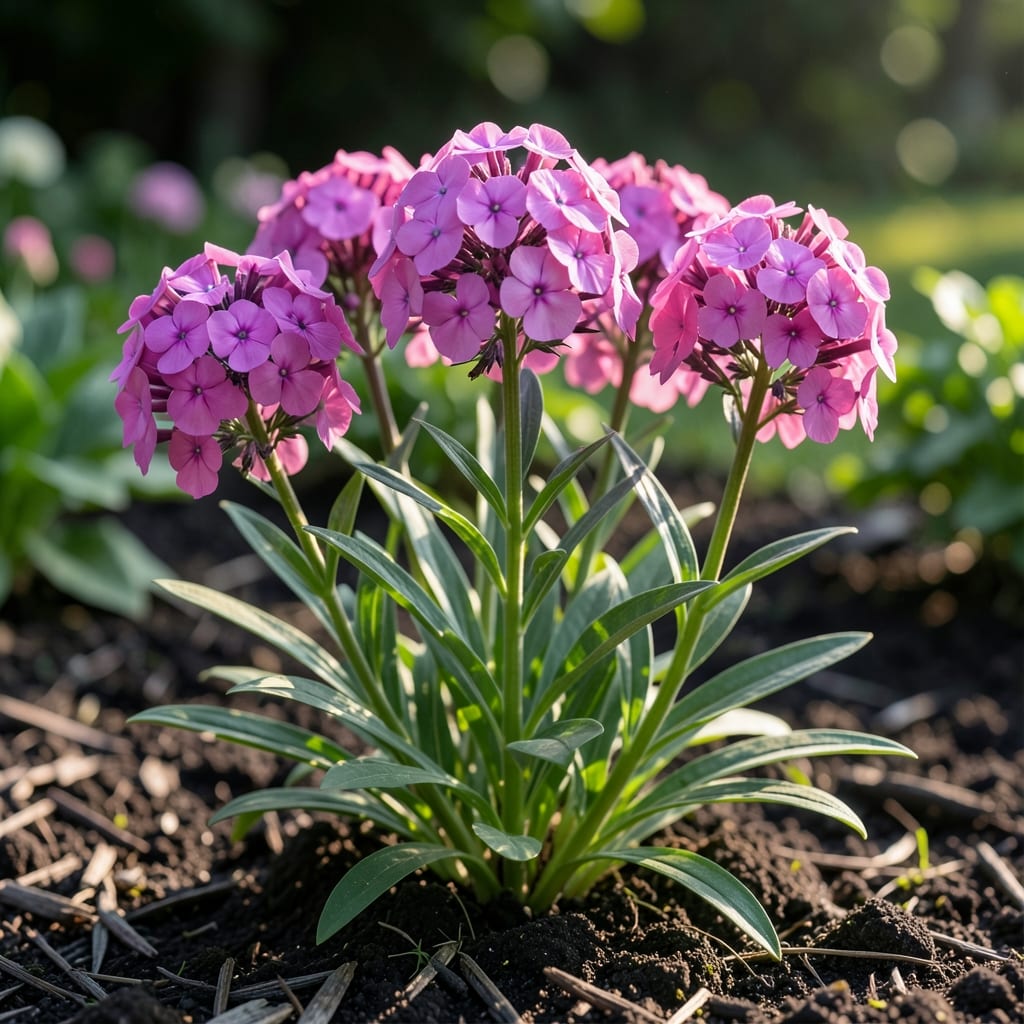
Phlox leaves tell you everything if you know what to look for. I’ve caught powdery mildew and leaf spot early just by checking the foliage weekly during damp springs.
Healthy leaves should be bright green and firm, not yellowed or spotted. With the right watering and air circulation, your plants stay vibrant and disease-free all season.
📚 In This Guide
Here’s my field-tested method for spotting trouble before it spreads through your garden.
Begin with a close inspection of the upper leaf surfaces under natural daylight, not harsh afternoon sun which can bleach colors. Healthy phlox leaves display a uniform deep green with no mottling or discoloration. I use a hand lens to catch early signs—even slight yellowing between veins often signals nutrient deficiency or early fungal infection.
Watch for circular brown or purple spots with lighter centers, a hallmark of septoria leaf spot. This fungus starts on lower leaves and works upward, so check the base of the plant first. Don’t confuse this with normal leaf aging, which begins at the tips and progresses inward uniformly.
Flip leaves gently to examine their undersides, where many problems first appear. A fine white or gray powder indicates powdery mildew, common in humid conditions. This fungal growth feels slightly fuzzy to the touch and wipes off temporarily with your finger, though it always returns without treatment.
Look along stems for dark, sunken lesions or a sticky residue—aphids and spider mites leave these calling cards. Their damage often presents as stippling (tiny yellow or white dots) on leaf surfaces. I run my fingers along stems weekly during growing season; early detection prevents infestations from reaching critical mass.
Healthy phlox leaves lie flat and have smooth edges. Any curling, cupping, or puckering warrants investigation. Downward curling often signals viral infection or herbicide drift, while upward cupping may indicate nutrient toxicity or environmental stress from wind or temperature swings.
Examine leaf margins for ragged edges or holes. Japanese beetles and slugs create distinct patterns—beetles chew between veins leaving a lace-like appearance, while slugs leave irregular holes with smooth edges. I mark affected leaves with a twist tie to monitor damage progression over 24-48 hours.
Step back and evaluate the plant’s general appearance. A healthy phlox has erect stems, vibrant foliage, and consistent growth throughout. Wilting during the hottest part of the day isn’t unusual, but leaves that remain droopy in the morning signal trouble—often root rot from overwatering or poor drainage.
Compare affected plants to their neighbors. Stunted growth, fewer flowers, or leaves that are significantly smaller than others often indicate systemic issues. I maintain a garden journal with photos of each variety at peak health; this visual reference helps me spot deviations more quickly than relying on memory alone.
Create a simple tracking system. I use a waterproof notebook to record observations with dates, weather conditions, and photos. Note the location on the plant (lower/upper leaves, stem base), pattern of damage, and progression rate. This data becomes invaluable for diagnosing recurring issues.
Re-examine the plant every 3-4 days after initial detection. Many problems escalate rapidly, especially in warm, wet weather. If you see new symptoms appearing daily, it’s time to implement treatment immediately. Early intervention often means the difference between saving the plant and losing it to disease.
Small details make the difference between catching problems early and missing them entirely.
Step 1 Insight: That natural daylight recommendation isn’t just about comfort—harsh afternoon sun can actually bleach leaf colors, masking early signs of trouble. I learned this after misdiagnosing several plants under direct sunlight. The deep green of healthy leaves appears most true in morning light.
Underside Advantage: In Step 2, don’t skip flipping those leaves. Powdery mildew often appears on undersides first, and the fuzzy texture is unmistakable once you’ve felt it. I keep a small magnifying glass handy—it’s surprising how much more you’ll notice with just 2x magnification.
Monitoring Method: The 24-48 hour monitoring window in Step 3 is critical. I use colored twist ties to mark affected leaves, then check them at the same time each day. This consistency helps me track progression accurately rather than relying on memory of when I first noticed the issue.
Documentation Tip: For Step 5, your tracking system doesn’t need to be fancy. I use a simple waterproof notebook with three columns: date, weather, and observations. The progression rate you note here often reveals whether you’re dealing with a slow nutrient deficiency or a rapidly spreading fungal infection.
Yellowing leaves often indicate overwatering, poor drainage, or nutrient deficiencies. Check soil moisture and ensure proper drainage. A balanced fertilizer can help restore vibrancy.
Early morning is ideal for treating leaf diseases, as it allows foliage to dry quickly, reducing fungal spread. Act at the first sign of spots or discoloration for the best results.
Neem oil, baking soda sprays, or copper-based fungicides are effective natural options. Apply weekly to prevent fungal infections like powdery mildew.
Improve air circulation by spacing plants properly, avoid overhead watering, and remove infected leaves promptly. A preventive spray of sulfur can also help.
Brown spots may signal fungal or bacterial infections. Remove affected leaves, avoid wetting foliage, and apply a fungicide. Ensure the plant has good airflow.