
Beautiful Plants For Your Interior
Beautiful Plants For Your Interior
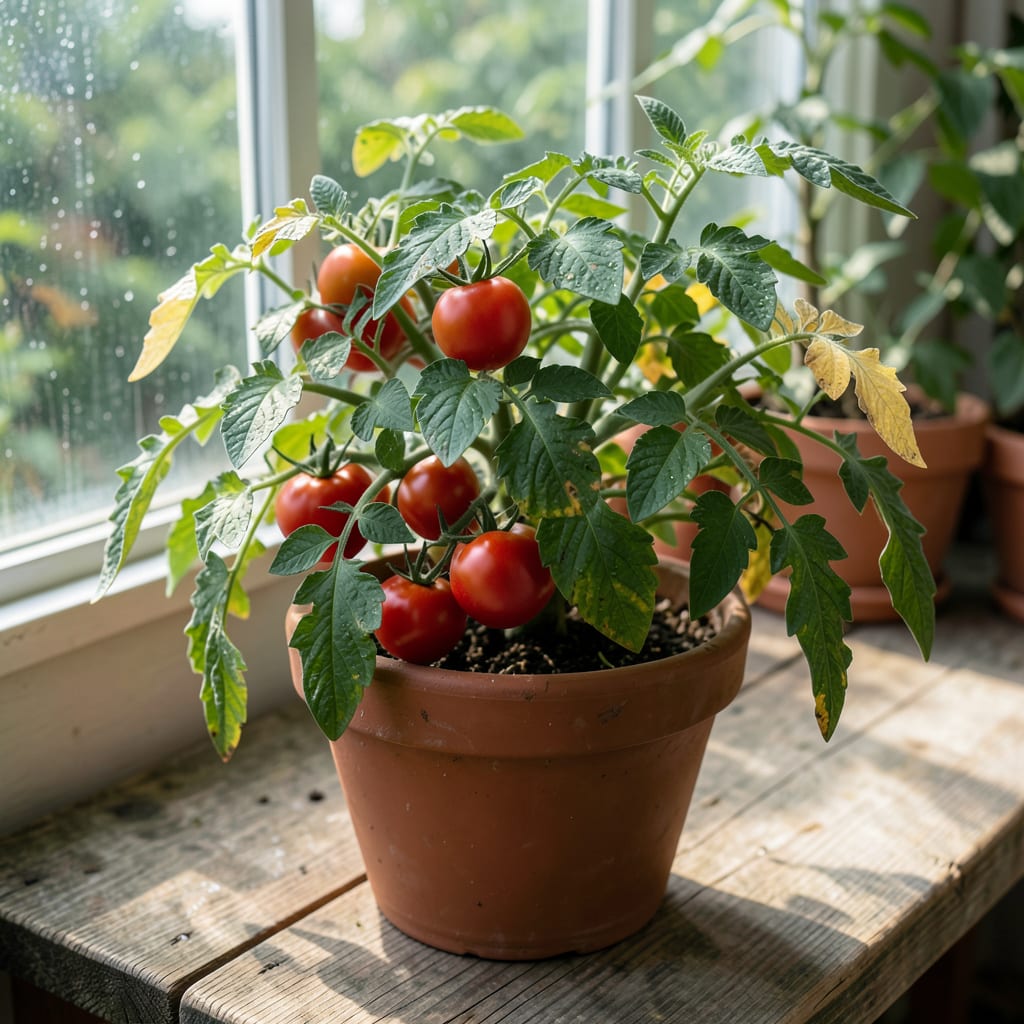
Yellow leaves on tomatoes always send my heart sinking. I’ve learned it’s rarely one simple answer—usually it’s water stress, hungry soil, or something sneaking up on the roots.
The pattern tells the story. Bottom leaves turning yellow often means nitrogen hunger, while upper leaves signal magnesium or sulfur issues. Overwatering or underwatering both show up as yellow first.
I’ve saved plants by checking the soil with my finger before reaching for fertilizer. Sometimes just adjusting the watering schedule brings the green back in 3-5 days.
Don’t panic—this is fixable. The key is matching the symptom to the solution, not throwing everything at the problem at once.
Yellow leaves on your tomato plant are often a cry for help, signaling an underlying issue. Here are the most common causes, broken down for clarity and actionability:
Tomatoes thrive on consistent moisture, but too much or too little water stresses the plant. Overwatering suffocates roots, reducing oxygen uptake and leading to chlorosis (yellowing). Underwatering, on the other hand, disrupts nutrient transport. Check soil moisture 1-2 inches deep—it should feel like a wrung-out sponge.
Yellowing often points to a lack of essential nutrients. Nitrogen deficiency starts with lower leaves turning pale yellow, while magnesium or potassium shortages cause interveinal yellowing (yellow between veins). A soil test can pinpoint the exact deficiency. Use a balanced fertilizer (e.g., 10-10-10) or amend with compost for organic solutions.
Diseases like early blight or septoria leaf spot cause yellow patches with dark spots. These thrive in humid, wet conditions. Improve airflow with pruning and avoid overhead watering. Copper-based fungicides can help, but prevention (e.g., crop rotation) is key.
Extreme temperatures (below 50°F or above 90°F) disrupt chlorophyll production, turning leaves yellow. Similarly, sunburn from intense light can scorch foliage. Use shade cloth during heatwaves or move potted plants to a sheltered spot.
Sap-sucking pests like aphids or whiteflies drain nutrients, causing yellowing. Check leaf undersides for tiny bugs or sticky residue (honeydew). Treat with neem oil or insecticidal soap for organic control.
Yellow leaves on your tomato plants can often be reversed with the right care. Here’s how to tackle the most common causes and restore your plant’s health.
Fix: Test your soil to identify the missing nutrient. For nitrogen deficiency, apply a balanced fertilizer (10-10-10) or add compost. If potassium is lacking, use a potassium-rich amendment like wood ash or greensand. For magnesium, sprinkle Epsom salt (1 tablespoon per gallon of water) around the base.
Prevention: 💡 Start with nutrient-rich soil and fertilize regularly during the growing season. Rotate crops to avoid depleting the same nutrients year after year.
Fix: Check soil moisture by sticking your finger 2 inches deep. If it’s soggy, reduce watering and improve drainage by adding perlite or sand. If it’s dry, water deeply and mulch to retain moisture. Use drip irrigation for consistent hydration.
Prevention: ✨ Water early in the morning to reduce evaporation and fungal risks. Aim for 1-2 inches of water per week, adjusting for rainfall.
Fix: Remove infected leaves immediately to prevent spread. Apply a copper-based fungicide or a baking soda solution (1 teaspoon baking soda, 1 quart water, a few drops of dish soap). Prune plants to improve airflow.
Prevention: 🎯 Space plants properly (18-24 inches apart) and avoid overhead watering. Rotate crops and clean garden tools to minimize disease risk.
Fix: Inspect leaves for aphids, whiteflies, or spider mites. Blast them off with water or apply neem oil or insecticidal soap. Introduce beneficial insects like ladybugs for natural pest control.
Prevention: 🌡️ Encourage biodiversity in your garden and monitor plants regularly. Use row covers to protect young plants from pests.
Yes, prune yellow leaves to redirect energy to healthy growth. This also improves airflow, reducing disease risk. Use clean scissors and cut at the stem base.
Rarely. Severely yellow leaves usually won’t recover, but fixing the underlying issue (water, nutrients) can save the rest. New growth will return to green in 1-2 weeks.
This often signals nitrogen deficiency or natural aging. If it’s just the oldest leaves, it’s likely normal. Add a nitrogen-rich fertilizer if spreading upward.
Usually yes, unless the issue is a severe fungal disease or pest infestation. Wash produce thoroughly and inspect for spots or damage before eating.
