
Beautiful Plants For Your Interior
Beautiful Plants For Your Interior
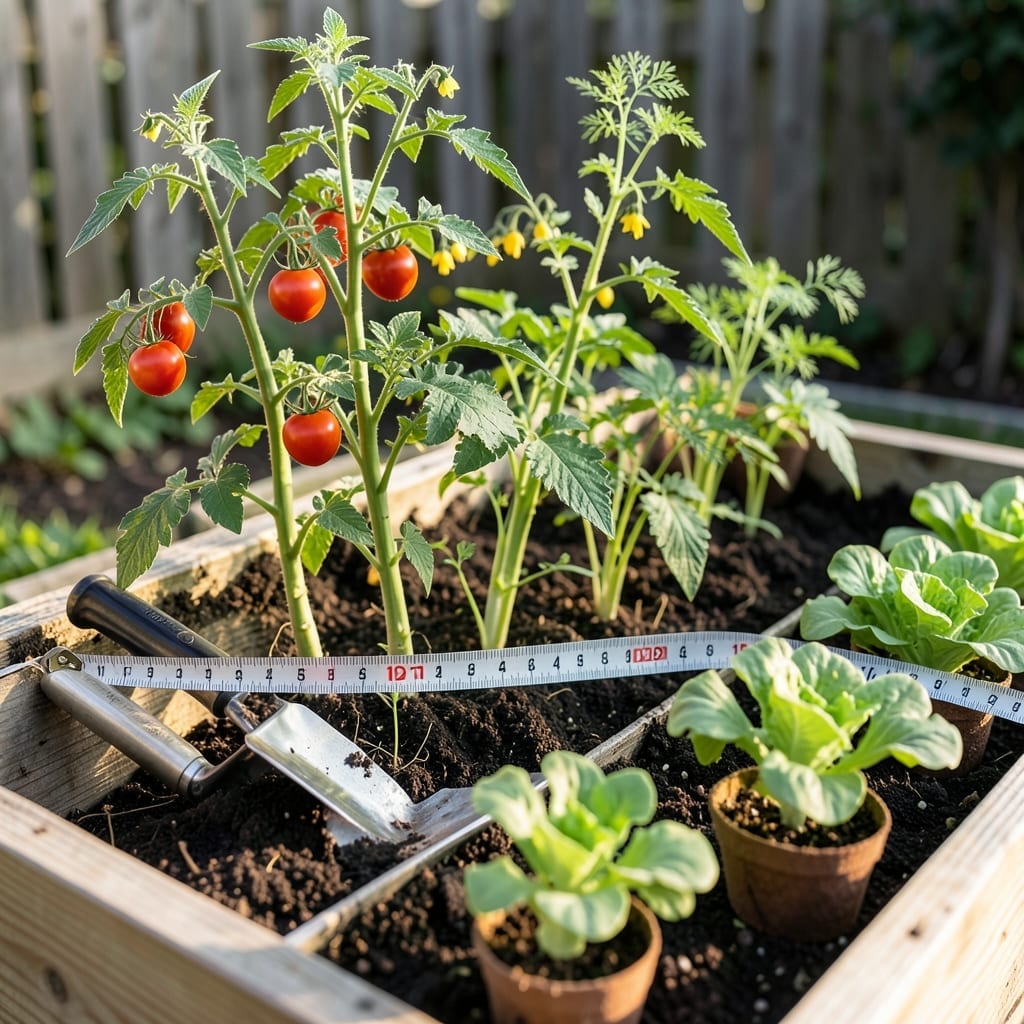
The depth of your 🌱 Raised Bed can make or break your garden’s success. It directly impacts root growth, soil quality, and plant health.
Get it right, and you’ll enjoy thriving vegetables, herbs, and flowers season after season. I’ve seen firsthand how the wrong depth leads to stunted growth and frustrated gardeners.
Discover the most important factors for choosing the perfect depth. Let’s build a foundation for your best garden yet.
Choosing the right depth for your raised beds ensures healthy root development. I’ve found that root vegetables like carrots and potatoes thrive in 12-18 inches of soil. This depth allows them to grow straight and long.
For leafy greens such as lettuce and spinach, a shallower bed of 6-12 inches works perfectly. These plants don’t need deep soil, making them ideal for compact spaces.
| Plant Type | Ideal Depth | Soil Recommendation |
|---|---|---|
| Root Vegetables | 12-18 inches | Loose, well-draining |
| Leafy Greens | 6-12 inches | Rich in compost |
| Herbs | 6-8 inches | Well-draining mix |
| Deep-Rooted Plants | 18-24 inches | Deep, nutrient-rich |
Shallow-rooted herbs like basil and thyme only require 6-8 inches of soil. I love how these plants adapt well to smaller raised beds on patios or balconies.
Meanwhile, deep-rooted plants such as tomatoes and corn need 18-24 inches of depth. This extra space lets their roots stretch and access more nutrients and water.
If you’re growing a mix of plants, I recommend going for 12 inches as a versatile middle ground. This depth accommodates most vegetables while keeping soil costs manageable.
Don’t forget about soil composition. I always mix in plenty of organic matter like compost to improve fertility and drainage, regardless of depth.
For drainage, ensure your raised bed has holes or is open at the bottom. I’ve seen gardens suffer from waterlogging when this simple step is overlooked.
If your bed is deeper than 18 inches, consider layering the bottom with cardboard or straw to reduce the amount of soil needed. This trick saves money and improves drainage.
Finally, remember that climate plays a role. In hot, dry areas, deeper beds retain moisture better. In colder climates, they insulate roots from freezing temperatures.
With these guidelines, you’ll create a thriving garden tailored to your plants’ needs 🌱
Your raised bed depth should adapt to your local conditions. In areas with poor drainage, I recommend adding 2-3 extra inches to prevent waterlogging. This simple adjustment can save your plants from root rot.
For gardeners in cold climates, deeper beds act like insulation. I’ve seen 18-inch beds protect roots from freeze-thaw cycles better than shallow ones. The extra soil buffers temperature swings.
In hot, dry regions, deeper beds help retain moisture. I suggest a minimum of 12 inches for most vegetables. The extra depth keeps soil temperatures stable and reduces watering frequency.
When dealing with heavy clay soil, I always go deeper. At least 12-18 inches allows roots to escape the compacted layer. Mix in organic matter to improve the entire profile.
For rooftop or balcony gardens, weight matters. I use 8-10 inch beds with lightweight soil mixes. This depth works well for herbs and leafy greens without overloading the structure.
With these climate-specific adjustments, your raised beds will thrive in any environment 🌱