
Beautiful Plants For Your Interior
Beautiful Plants For Your Interior
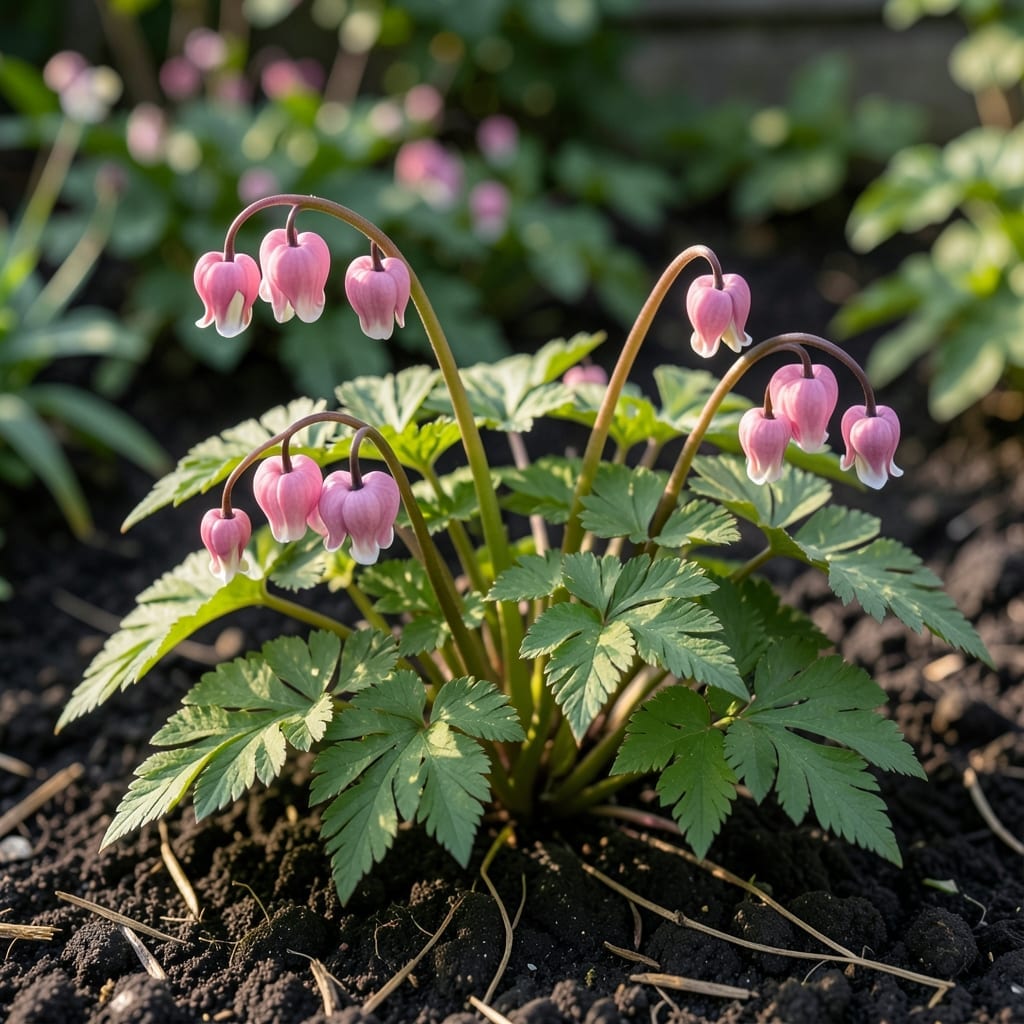
There’s something magical about heart-shaped flowers blooming in your garden. 🌿 I fell for bleeding hearts and heartleaf philodendrons years ago, and they’ve been stealing the show ever since with their romantic charm.
These plants thrive with minimal effort—just well-draining soil, partial shade, and consistent moisture. The bleeding heart gives you pink or white blooms in spring, while the philodendron keeps its heart-shaped leaves year-round indoors.
You’ll get a garden that looks like it’s straight out of a fairy tale. The blooms attract pollinators, and the foliage stays lush with very little fuss from you.
Perfect for borders, containers, or as a sweet gift for that special someone. Here’s how to make them flourish.
Nature’s creativity often leaves us in awe, and heart-shaped flowers are no exception. These charming blooms develop their distinctive shape due to a mix of genetic, environmental, and evolutionary factors. Here’s a closer look at the science behind this romantic phenomenon.
Some plants, like Ceropegia woodii (String of Hearts) or Philodendron hederaceum, are genetically predisposed to produce heart-shaped leaves or flowers. This trait is encoded in their DNA, where specific genes regulate cell growth and division to form the iconic shape. The KNox gene family, for example, plays a key role in leaf morphology, influencing how cells expand to create symmetrical, heart-like structures.
Heart-shaped flowers or foliage can offer survival benefits. In dense forests, the shape may help direct rainwater toward the plant’s roots more efficiently. Additionally, the form can attract pollinators by mimicking shapes or patterns that insects or birds find appealing. For instance, some Anthurium species use their heart-shaped spathe to guide pollinators toward their central spadix.
Environmental conditions can also shape a plant’s growth. In low-light environments, plants like the Philodendron may develop broader, heart-shaped leaves to maximize sunlight capture. Conversely, in windy or exposed areas, the shape can reduce resistance, preventing damage. Adequate water, nutrients, and light encourage healthy growth, allowing the plant to express its natural heart-shaped traits fully.
Understanding these factors helps gardeners create ideal conditions for their plants to thrive and display their romantic, heart-shaped blooms or leaves.
When your heart-leafed beauties start acting up, don’t panic—most problems have simple fixes. Below are the most common issues and their straightforward solutions, so your romantic blooms can thrive again. 🌿✨
If leaves turn yellow, overwatering is often the culprit. Let the top inch of soil dry out before watering again. Ensure pots have drainage holes to prevent root rot. For potted plants, empty the saucer after watering to avoid soggy roots.
Prevention tip: Use a moisture meter 💡 or stick your finger in the soil to check dryness. Water only when necessary.
Wilting can signal underwatering or too much direct sunlight. Move your plant to bright, indirect light (e.g., near an east-facing window) and water deeply until it drains from the bottom. If the soil is bone-dry, soak the pot in a tray of water for 10-15 minutes.
Prevention tip: Group plants together to create a humid microclimate, or mist leaves lightly in dry conditions. 🌡️
Spider mites and aphids love tender new growth. Wipe leaves with a damp cloth or spray with a mix of 1 tsp mild soap + 1L water. For stubborn pests, use neem oil (follow label instructions). Isolate heavily infested plants to protect others.
Prevention tip: Inspect new plants before bringing them home, and keep foliage clean to deter pests. ✨
If your plant isn’t blooming, it may need more light or nutrients. Switch to a balanced liquid fertilizer (10-10-10) every 2-4 weeks during growing season. Ensure it gets 4-6 hours of bright, indirect light daily.
Prevention tip: Deadhead spent blooms to encourage new growth and more flowers. 🎯
Bleeding heart (Dicentra spectabilis) and string of hearts (Ceropegia woodii) are top choices. Bleeding heart has pink or white blooms, while string of hearts features trailing vines with marbled leaves.
Yes! Heartleaf philodendron thrives indoors with bright, indirect light. Keep soil moist but not soggy, and mist leaves occasionally for humidity.
Lack of sunlight or nutrients often causes small blooms. Move to partial shade and fertilize with a balanced 10-10-10 mix every 4 weeks during growing season.
Water when the top 1 inch of soil feels dry. Overwatering leads to yellow leaves, so ensure pots have drainage.