
Beautiful Plants For Your Interior
Beautiful Plants For Your Interior
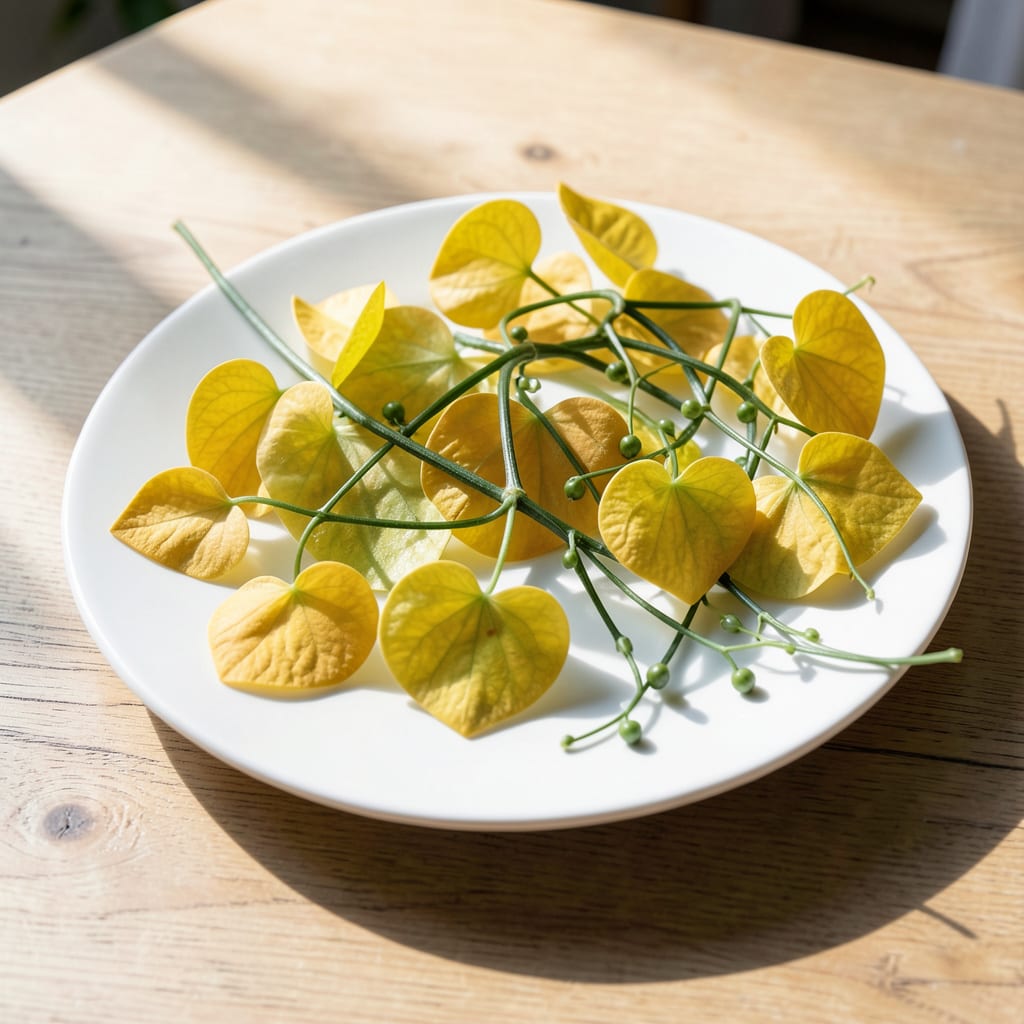
Yellow leaves on your string of hearts aren’t a death sentence—they’re a distress signal. I’ve saved dozens from this exact issue by fixing two simple things: light and water.
Too much water or too little light, and those heart-shaped leaves turn pale overnight. The fix starts with checking the soil: if it’s soggy, you’re overdoing it. If it’s bone dry three inches down, the roots are thirsty.
Once you adjust the balance, new growth comes in vibrant green within weeks. The plant bounces back faster than you’d expect, especially with a sunny window and a consistent watering routine.
Prevention is easier than cure, but even neglected plants can recover with the right approach. Here’s how to read the signs and respond.
When your Ceropegia woodii (String of Hearts) develops yellow leaves, it’s usually a sign of stress. The most common culprits are environmental imbalances, often tied to light, water, or nutrients. Below are the primary causes, explained with actionable insights.
String of Hearts thrives in bright, indirect light. Too much direct sunlight can scorch the leaves, leading to yellowing or browning—especially if the plant is in a south-facing window without filtration. Conversely, insufficient light causes chlorosis (loss of chlorophyll), turning leaves pale yellow as the plant struggles to photosynthesize efficiently.
Fix: Move the plant to an east- or west-facing window, or use a sheer curtain to diffuse harsh light. For low-light spaces, supplement with a grow light (12–14 hours/day).
This succulent is drought-tolerant but hates soggy soil. Overwatering leads to root rot, which prevents nutrient uptake and manifests as yellow, mushy leaves. Underwatering, while less common, can also cause yellowing as the plant conserves water by shedding older foliage.
Fix: Water only when the top 1–2 inches of soil are completely dry. Use a well-draining mix (e.g., 50% cactus soil + 50% perlite) and ensure pots have drainage holes.
Yellow leaves may signal a lack of nitrogen (uniform yellowing) or magnesium (yellowing between leaf veins). String of Hearts is a light feeder, but if grown in the same soil for years without replenishment, deficiencies can arise.
Fix: Fertilize monthly in spring/summer with a balanced, diluted houseplant fertilizer (e.g., 10-10-10 at half strength). Flush the soil with water every 2–3 months to prevent salt buildup.
Extreme temperatures (below 50°F/10°C or above 90°F/32°C) or low humidity can stress the plant, triggering leaf yellowing. Cold drafts or heat sources (like vents) are often overlooked culprits.
Fix: Keep the plant in a stable environment (65–80°F/18–27°C) and away from drafts. Grouping plants or using a humidity tray can help maintain moisture levels.
If your string of hearts is sporting yellow leaves, don’t panic—most causes are fixable with a few adjustments. Below are practical solutions for the most common issues, paired with prevention tips to keep your plant thriving.
Fix: Move your plant to a spot with bright, indirect light. If it’s near a south- or west-facing window, use a sheer curtain to diffuse the intensity. For severe sunburn, trim the damaged leaves to redirect energy to healthy growth.
Prevent it: Rotate your plant every few weeks to ensure even light exposure and avoid scorching. 💡 Pro tip: A few hours of gentle morning sun is safe, but avoid harsh afternoon rays.
Fix: Let the soil dry out completely between waterings. If the roots are soggy or rotting, repot the plant in fresh, well-draining mix (cactus or succulent soil works best) and a pot with drainage holes. Trim any black, mushy roots before repotting.
Prevent it: Water only when the top 1-2 inches of soil are dry. Use the “soak and dry” method: drench the soil, then let excess water drain away. 🌡️ Pro tip: Terracotta pots help wick away moisture faster than plastic.
Fix: Feed your string of hearts with a balanced, diluted fertilizer (e.g., 10-10-10 or 20-20-20) every 4-6 weeks during the growing season (spring to fall). Yellowing from deficiency often starts on lower leaves.
Prevent it: Avoid over-fertilizing, which can cause salt buildup. Flush the soil with water every few months to remove excess minerals. ✨ Pro tip: A slow-release fertilizer can provide steady nutrients without the risk of overfeeding.
Fix: Inspect the leaves and stems for spider mites, mealybugs, or aphids. Wipe them off with a cotton swab dipped in rubbing alcohol or spray the plant with neem oil (diluted as directed). Repeat every few days until the pests are gone.
Prevent it: Quarantine new plants for a few weeks before introducing them to your collection. Keep leaves dust-free with a gentle wipe-down to deter pests. 🎯 Pro tip: A weekly shower (letting the soil dry out afterward) can dislodge early invaders.
Water only when the top 1-2 inches of soil are bone dry. In summer, this may mean every 2-3 weeks; in winter, stretch it to 4-6 weeks. Always check soil moisture first.
No, once leaves turn yellow, they won’t revert. Trim them to redirect energy to healthy growth. New leaves will emerge green with proper care.
Aim for bright, indirect light for 6-8 hours daily. East or west windows work best. South-facing windows need a sheer curtain to filter harsh rays.
Stop watering immediately and let the soil dry out. If roots are mushy, repot in fresh, well-draining mix and trim affected roots.
