
Beautiful Plants For Your Interior
Beautiful Plants For Your Interior
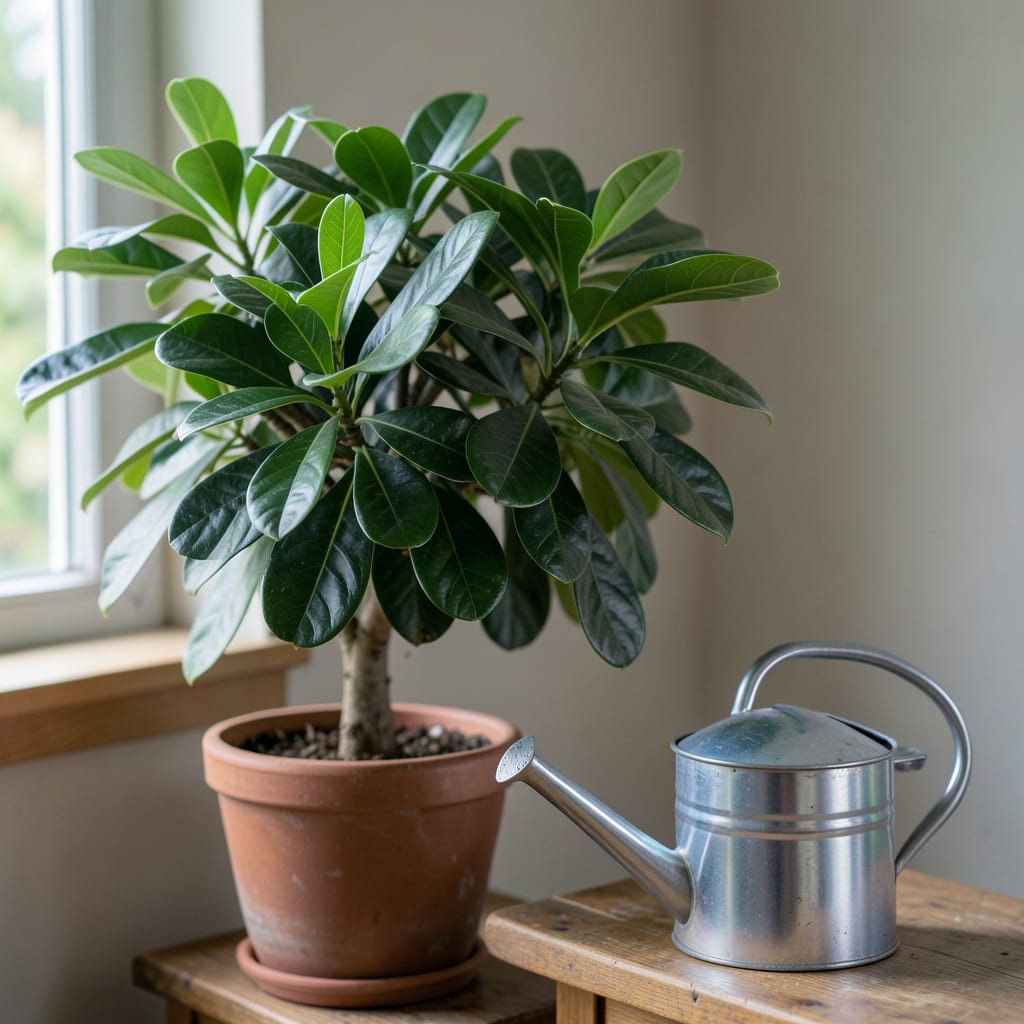
As I care for my Umbrella Plant 🌿, I’ve learned that getting the watering right is crucial. Too little water, and it droops; too much, and it rots.
So, how much water does it actually need? The answer depends on factors like soil type, light exposure, and temperature – let’s dive into the details to keep your Umbrella Plant thriving in zone 6a.
Umbrella plants are known for their elegant, umbrella-like leaves and ability to thrive in various conditions. However, their watering needs can be complex due to several influencing factors.
The amount of water an umbrella plant needs depends on multiple factors including soil type, light exposure, temperature, humidity, and seasonal changes. Let’s explore these factors in detail to understand how they impact watering needs.
Soil type plays a crucial role in determining watering frequency. Umbrella plants prefer well-draining soil, which means sandy or loamy soils that allow excess water to pass through easily.
In bright light conditions, umbrella plants tend to dry out faster, requiring more frequent watering. Conversely, in lower light, they may need less water as the soil takes longer to dry out.
Temperature and humidity also significantly affect watering needs. Higher temperatures increase evaporation, while low humidity causes the plant to lose moisture more quickly.
Understanding these factors helps in creating a tailored watering schedule. For instance, during the growing season (spring and summer), umbrella plants generally require more water due to active growth.
In contrast, during cooler months (fall and winter), when the plant’s growth slows down, it needs less water. This seasonal adjustment is crucial for maintaining the right moisture balance 🌿.
To summarize, the key to proper watering is understanding how different factors influence your umbrella plant’s needs. By considering soil type, light exposure, temperature, humidity, and seasonal changes, you can develop an effective watering routine.
Regular monitoring of your plant’s condition and adjusting your watering schedule accordingly will help ensure your umbrella plant remains healthy and thrives.
By following these guidelines and being attentive to your plant’s needs, you can enjoy a lush, vibrant umbrella plant that adds beauty to your space for years to come 🌿.
Checking if your umbrella plant needs water can be done through simple methods that help prevent both underwatering and overwatering.
One effective way to determine if your plant requires watering is by performing the finger test. Insert your finger about 1-2 inches into the soil. If the soil feels dry at this depth, it’s time to water your plant.
For more accurate results, use a moisture meter to measure the soil’s moisture level directly. This tool can provide a precise reading, helping you make informed watering decisions 🌿.
Another indicator is the plant’s visual cues. If the leaves start to droop or turn yellow, it may be a sign that your umbrella plant is either overwatered or underwatered. Adjust your watering schedule accordingly based on these observations.
Watering frequency can also be guided by the season. During spring and summer, when the plant is actively growing, it may need more frequent watering. In contrast, during fall and winter, when growth slows down, reduce the frequency of watering.
By combining these methods, you can develop a tailored watering routine that meets your umbrella plant’s specific needs, ensuring it remains healthy and thrives.
Regularly checking the soil moisture and observing your plant’s condition will help you fine-tune your watering schedule, promoting optimal growth and preventing common watering mistakes 🌿.
Maintaining the right balance of moisture is key to keeping your umbrella plant happy and healthy. With these practical tips, you can enjoy a lush, vibrant plant that enhances your living space.
By being attentive to your plant’s needs and adjusting your care routine as necessary, you can ensure your umbrella plant continues to flourish.
When caring for umbrella plants, it’s essential to avoid common watering mistakes that can lead to unhealthy conditions. Both overwatering and underwatering can have detrimental effects on your plant’s health.
Overwatering is a frequent issue that can cause root rot and other problems. Signs of overwatering include yellowing leaves, droopy stems, and moldy soil. To correct overwatering, allow the soil to dry out slightly between waterings and ensure proper drainage 🌿.
Underwatering can also be harmful, leading to dry, crispy leaves and stunted growth. To avoid underwatering, ensure your umbrella plant receives adequate water, especially during the growing season. Adjust your watering schedule based on the plant’s needs and environmental conditions.
To maintain a healthy umbrella plant, it’s crucial to find the right balance in watering. Regularly check the soil moisture and observe your plant’s condition to make necessary adjustments.
By avoiding common watering mistakes and providing appropriate care, you can enjoy a thriving umbrella plant that adds beauty to your space.
Proper watering practices, combined with attention to your plant’s needs, will help ensure your umbrella plant remains healthy and continues to flourish 🌿.
With these guidelines, you can create an optimal watering routine that supports the well-being of your umbrella plant, promoting lush growth and vibrant foliage.
Water your umbrella plant every 7 days during spring and summer when it’s actively growing. During fall and winter, reduce watering to every 10-14 days. Adjust based on soil moisture and plant condition.
Use the finger test by inserting your finger 1-2 inches into the soil. If it feels dry, it’s time to water. You can also use a moisture meter for more accurate readings.
Signs include yellowing leaves, droopy stems, and moldy soil. If you notice these, allow the soil to dry slightly between waterings and ensure proper drainage to prevent root rot.
Yes, adjust your watering schedule according to your home’s humidity. In low humidity, water more frequently as the plant loses moisture quickly. In high humidity, reduce watering frequency.
