
Beautiful Plants For Your Interior
Beautiful Plants For Your Interior
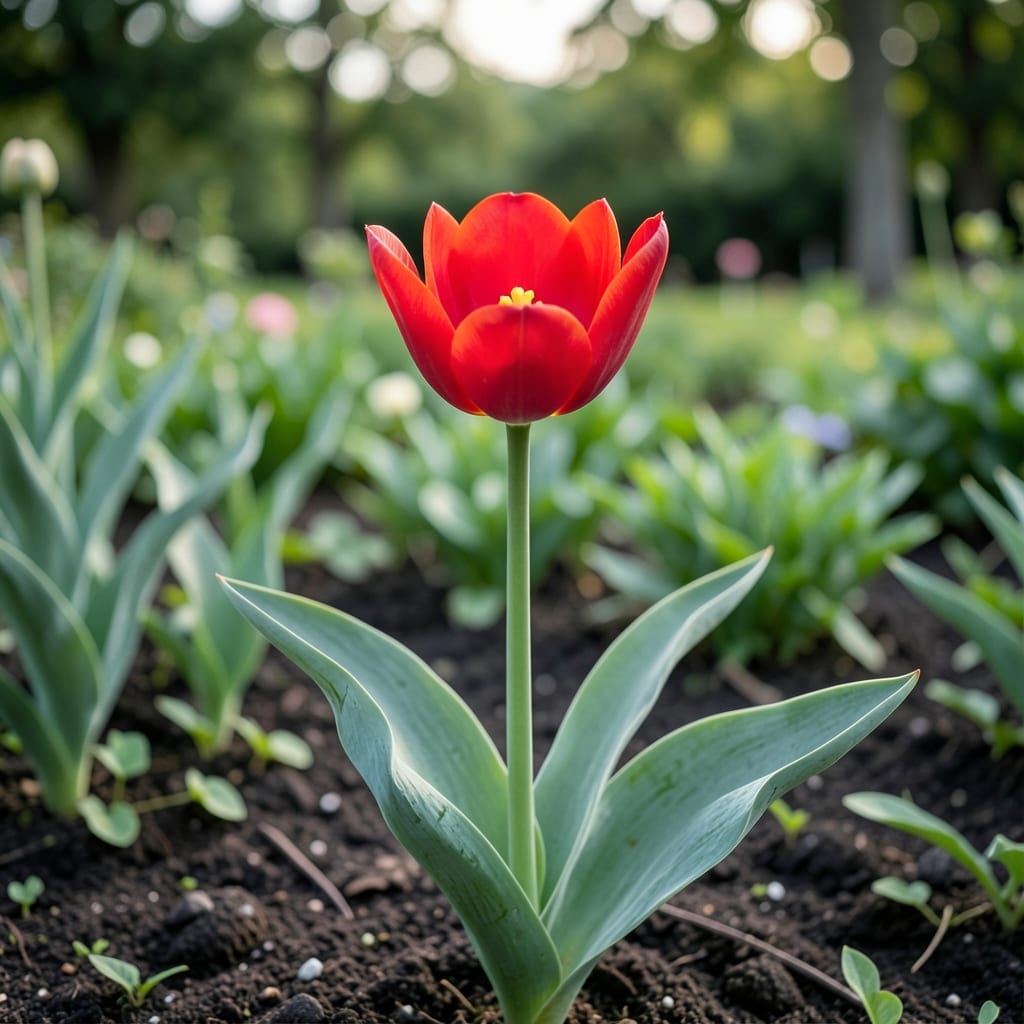
There’s nothing quite like seeing 🌷 Tulips burst into bloom in spring, but their success starts long before that with proper light exposure. These iconic flowers have specific needs when it comes to sunlight.
Many gardeners assume all flowers thrive in full sun, but with Tulips, it’s about finding the right balance. Too little light can lead to weak stems and poor blooming, while too much might cause other issues.
Discover how to provide the ideal conditions for your Tulips to flourish, whether you’re planting in the ground or in containers. Let me show you how to get it just right.

If you want vibrant Tulip blooms, sunlight is non-negotiable. These spring beauties require full sun to produce their iconic, colorful flowers year after year. Without enough light, they’ll grow weak and may not bloom at all.
In my experience, 6 to 8 hours of direct sunlight daily is ideal for Tulips. This ensures strong stems, healthy foliage, and those stunning flowers we all love. Less than this, and you risk sparse or no blooms.
| Requirement | Specification |
|---|---|
| Ideal Light | Full sun |
| Daily Sunlight | 6-8 hours |
| Light Type | Direct sunlight |
| Best Window Direction | South-facing |
Tulips are sun-worshippers by nature. In their native habitats, they thrive in open, sunny areas. This is why they do best in full sun conditions in our gardens too. The energy from sunlight fuels bulb development and flower production.
I’ve seen gardeners make the mistake of planting Tulips in shady spots. The result? Leggy stems that flop over and fewer flowers. If your garden lacks full sun, consider container planting so you can move pots to sunnier spots.
Morning sun is particularly beneficial for Tulips. It helps dry dew from leaves, reducing the risk of fungal diseases. If you can’t provide full sun all day, prioritize morning sunlight for at least half of their daily requirement.
Remember that Tulips planted under deciduous trees can work well. They’ll get full sun in early spring before the trees leaf out, which often provides enough light for good blooming. This is a great way to utilize space efficiently.
If you’re growing Tulips in containers, place them where they’ll get maximum sunlight. A south-facing balcony or patio is ideal. Rotate pots occasionally for even growth, as plants will lean toward the light.
For the best results, plant bulbs in a location that gets unobstructed sunlight for most of the day. This ensures they store enough energy in their bulbs for next year’s blooms. Tulips are perennials, and proper sunlight is key to their return each spring.
If your Tulips aren’t blooming well, assess their light conditions first. It’s often the simplest fix for lackluster performance. Sometimes, just moving them to a sunnier spot can transform your Tulip display from mediocre to magnificent ☀️
Not every garden has full sun all day, but don’t let that stop you from growing Tulips. With some smart strategies, you can still enjoy their beauty even in partial shade conditions.
I’ve found that morning sun is most critical for Tulips. Even if your garden only gets 4-5 hours of direct light, prioritize the morning hours when the sun is less intense but still effective.
Consider companion planting with early spring bloomers. Plants like Daffodils or Crocuses can share space with Tulips and won’t compete for light since they finish blooming early.
If you’re limited to containers, use white or light-colored pots. These reflect more light to the plants. Also, rotate pots weekly to ensure even growth on all sides.
Soil quality becomes even more important in low-light conditions. Amend your soil with compost to give Tulips the best chance. Well-draining soil prevents bulb rot, which is more likely in shady, damp spots.
For garden beds, thin out nearby shrubs or prune lower branches to allow more light to reach your Tulips. Even small improvements in light exposure can make a big difference in bloom quality.
Remember that Tulips in shade may not return as reliably as those in full sun. Treat them as annuals in these conditions, replacing bulbs each fall for consistent spring color 🌷