
Beautiful Plants For Your Interior
Beautiful Plants For Your Interior
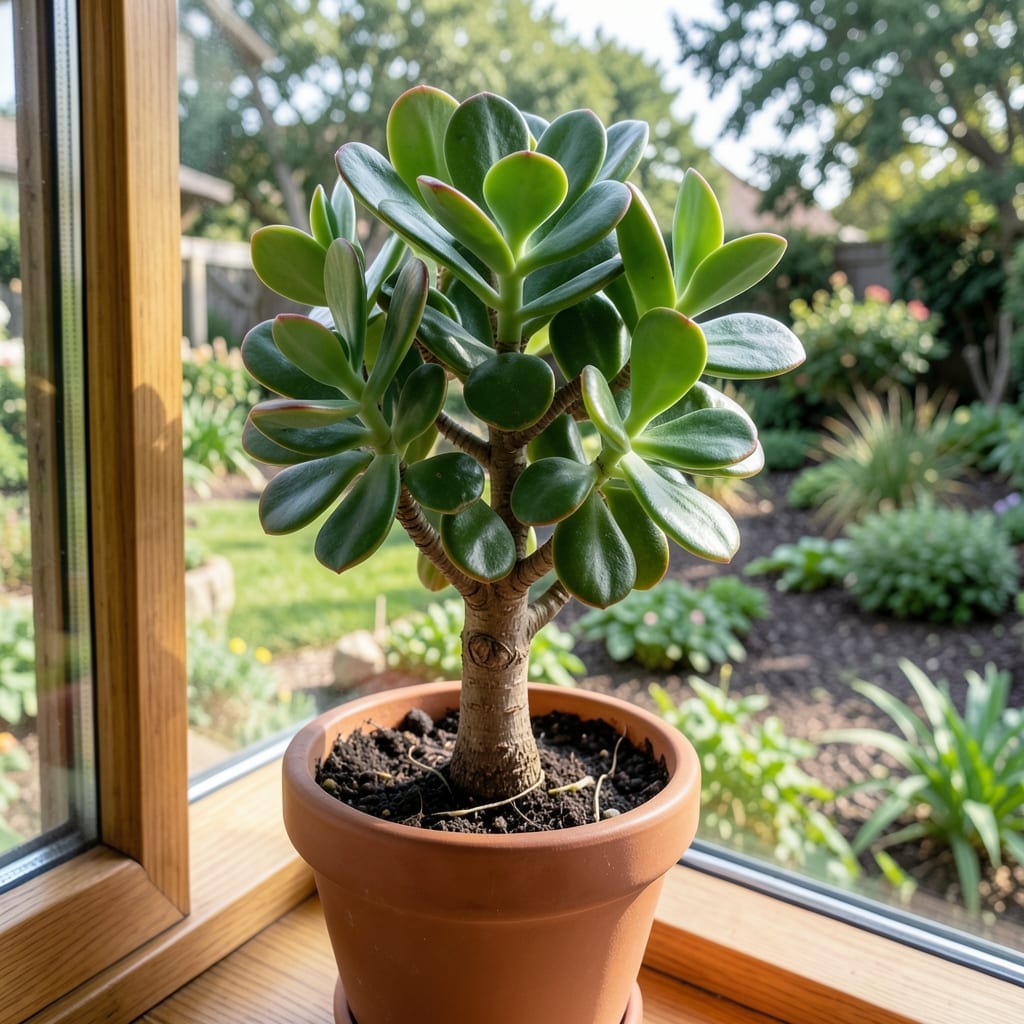
Jade plants are beloved for their hardy nature and striking appearance, but their relationship with humidity often sparks confusion among gardeners. These resilient 🌿 succulents have specific preferences that many overlook.
Understanding their moisture needs is the key to preventing common issues like root rot or leaf drop. While they tolerate various conditions, getting it right ensures vibrant, healthy growth.
I’ve seen too many Jade Plants struggle because of misinformation about humidity. The truth might surprise you and change how you care for yours.
Discover the ideal balance and simple adjustments that will keep your Jade Plant thriving in any environment. Let’s set the record straight.
Jade plants, or Crassula ovata, originate from arid regions of South Africa and Mozambique. These tough succulents thrive in low to moderate humidity between 40% and 50%. Their thick leaves store water, making them highly drought-tolerant.
In their natural habitat, jade plants endure dry air and infrequent rainfall. Replicating these conditions indoors ensures they remain healthy and vibrant. High humidity often leads to rot or fungal diseases. 🌿
| Requirement | Specification |
| Ideal Humidity | 40-50% |
| Natural Habitat | Arid, dry regions |
| Water Storage | Thick, fleshy leaves |
| Max Tolerated Humidity | 60% |
Excessive moisture in the air can cause leaf drop or yellowing foliage. These are clear signs your jade plant is struggling with too much humidity. Root rot is another common issue when the soil stays damp.
Monitoring indoor humidity is simple with a hygrometer. I recommend placing it near your plant to track levels accurately. This small investment can prevent many growing problems down the line.
If your home tends to be humid, improve airflow with a small fan or open windows. This mimics the breezy conditions jade plants enjoy in the wild. Even gentle air movement makes a big difference.
Well-draining soil is equally important. Use a cactus or succulent mix with added perlite or coarse sand. This setup allows excess water to escape, reducing the risk of rot in humid environments.
During warmer months, jade plants may tolerate slightly higher humidity. However, never exceed 60% for extended periods. Consistent high moisture levels will stress the plant and invite pests or diseases.
In winter, indoor air tends to be drier due to heating. This is actually ideal for jade plants. Just ensure they still receive bright, indirect light to compensate for the lower humidity.
If you notice soft or mushy leaves, act quickly. Reduce watering, increase ventilation, and check the roots for rot. Catching these issues early can save your jade plant from irreversible damage.
Remember, jade plants are forgiving and adaptable. With the right balance of humidity and care, they’ll reward you with lush growth and maybe even blooms. 🌱
Jade plants thrive in low to moderate humidity, typically between 40-50%. This range mimics their native arid habitats. I’ve found they struggle in consistently high moisture, which can invite fungal problems or root rot. 🌿
Adjusting humidity is simpler than you think. In dry climates, grouping plants together can create a microclimate. For humid areas, improving airflow with a fan or dehumidifier works wonders. These tweaks help maintain the ideal balance for healthy growth. 🌱
In my experience, seasonal changes often catch gardeners off guard. During summer, humidity spikes can stress jade plants. I recommend reducing watering frequency and ensuring pots have drainage holes to prevent soggy soil. ☀️
For indoor growers, a hygrometer is a game-changer. It helps monitor humidity levels accurately. If your jade plant’s leaves start yellowing or dropping, it might be signaling excess moisture in the air.
Outdoor jade plants in humid regions benefit from well-draining soil and elevated planters. I’ve seen remarkable improvements by simply adding perlite or sand to the potting mix. This prevents waterlogging at the roots.
Remember, consistency is key. Jade plants adapt well but prefer stable conditions. Sudden changes in humidity can stress them, so aim for gradual adjustments. With these tips, your jade will reward you with lush, vibrant foliage. 🪴