
Beautiful Plants For Your Interior
Beautiful Plants For Your Interior
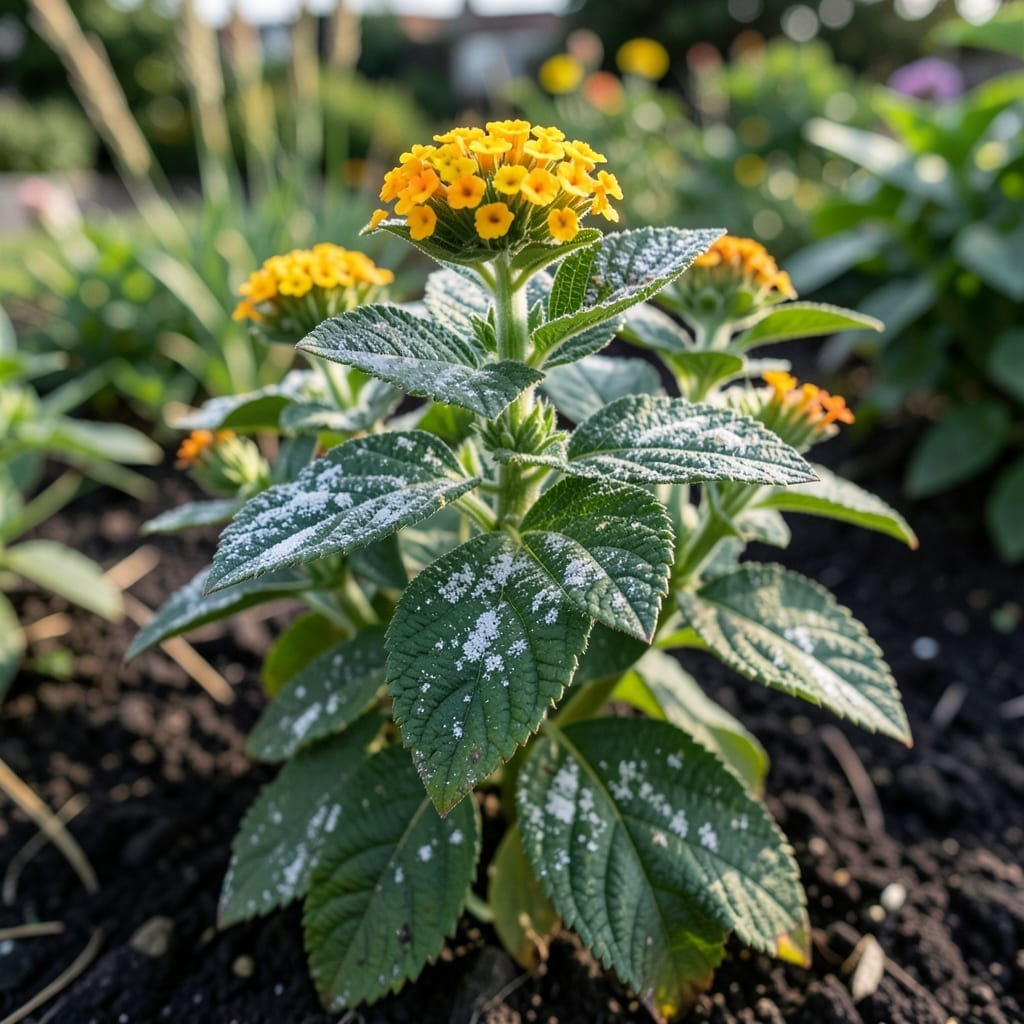
White powder on your lantana leaves isn’t dust—it’s trouble. 🌿 I’ve battled this fungus for seasons and learned the early signs are subtle: pale yellow spots, slight leaf curl, then that telltale powdery coating.
The good news? This problem thrives in conditions we can control. Poor air flow, damp foliage, and crowded plants create the perfect storm. My plants stayed clean once I adjusted spacing and watering habits.
Organic solutions work surprisingly well here. A simple baking soda spray or neem oil application can stop spread within 48 hours. The key is catching it before it takes over your entire bed.
Prevention beats treatment every time. With the right approach, your lantana will stay vibrant and mildew-free all season long. Here’s how to make it happen.
Powdery mildew on lantana often stems from environmental and biological factors that create ideal conditions for fungal growth. Below are the primary causes, explained scientifically to help you address the root of the problem.
Powdery mildew thrives in high humidity (60-80%) combined with stagnant air. Lantana plants in crowded spaces or dense foliage trap moisture, creating a microclimate perfect for Podosphaera or Erysiphe fungi—the most common pathogens behind this disease. Without proper ventilation, spores settle and germinate rapidly on leaves.
Watering lantana from above leaves moisture on foliage, which encourages fungal spores to adhere and grow. Unlike soil-borne diseases, powdery mildew doesn’t require free water to infect—but wet leaves significantly speed up its spread. Drip irrigation or soil-level watering minimizes this risk.
Excess nitrogen promotes lush, soft growth, which is more susceptible to powdery mildew. High-nitrogen fertilizers (e.g., 10-5-5) create tender new shoots that lack the natural resistance of slower, balanced growth. Switch to a low-nitrogen, high-phosphorus formula (like 5-10-10) to toughen up the plant.
Lantana planted in shady or partially shaded areas often develops powdery mildew because reduced sunlight weakens the plant’s defenses. Full sun (6+ hours daily) not only strengthens the plant but also inhibits fungal spore germination by drying leaf surfaces faster.
Combatting powdery mildew on lantana starts with identifying the root cause and applying targeted fixes. Below are practical solutions mapped to common triggers, plus prevention tips to keep your plants thriving.
Prune overcrowded branches to allow airflow between plants. Space lantana at least 2-3 feet apart to reduce humidity buildup. For potted plants, move them to breezier spots or use a small fan on low settings to keep air moving.
Switch to drip irrigation or water at the base of the plant to keep foliage dry. If using a hose, water early in the morning so leaves dry quickly in the sun. Avoid evening watering, as dampness overnight fuels fungal growth.
Thin out dense foliage and remove weeds around the base to improve airflow. In humid climates, apply a baking soda spray (1 tbsp baking soda + 1 tsp dish soap + 1 gallon water) weekly as a preventive. For severe cases, use neem oil or sulfur-based fungicides (follow label instructions).
Prune and discard heavily infected leaves or stems—do not compost them, as spores can spread. Sterilize pruning tools with rubbing alcohol between cuts. For mild cases, treat with a milk spray (1 part milk to 9 parts water) every 5–7 days until symptoms vanish.
💡 Prevention Tips:
Yes, but dilute it properly. A mix of 1 tablespoon apple cider vinegar in 1 gallon of water can help. Apply weekly, but avoid overuse as it may harm leaves.
Recurring issues usually mean poor air flow or high humidity. Space plants 2-3 feet apart and water at the base only. Sunlight and ventilation are key.
Yes, but follow label instructions carefully. Sulfur-based or copper fungicides work well, but avoid applying in hot weather (above 90°F) to prevent leaf burn.