
Beautiful Plants For Your Interior
Beautiful Plants For Your Interior
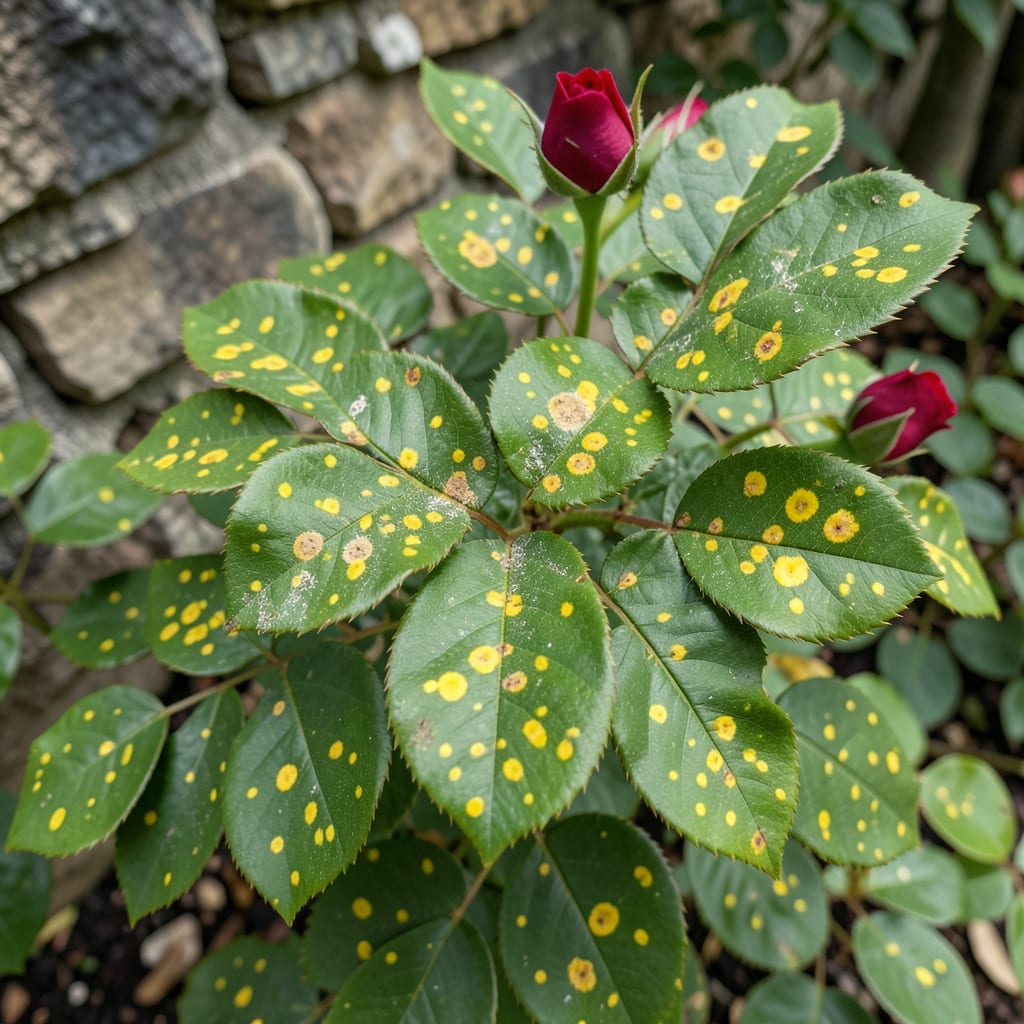
Yellow spots on your rose leaves aren’t just unsightly—they’re a warning sign. I’ve seen entire bushes go from healthy to struggling in a week when this issue goes ignored.
Most cases come down to three culprits: fungal diseases like black spot, hungry pests, or nutrient imbalances in the soil. The good news? Each has a fast, organic fix if you catch it early.
You’ll spot the difference between problems by looking closely. Circular spots with feathery edges scream fungus, while stippling or webbing points to pests.
With the right treatment, your roses can rebound in 7-10 days. Here’s how to diagnose and fix it before it spreads.
Yellow spots on your rose bush leaves are often a red flag for underlying issues. Here’s a breakdown of the most common causes, each with its own scientific explanation and actionable insights:
Fungi like Diplocarpon rosae (causing black spot) or Phragmidium spp. (rust) thrive in warm, humid conditions. They penetrate leaf tissues, disrupting chlorophyll production and creating yellow halos around dark or rusty spots. These pathogens spread via water splashes, so overhead watering is a major risk factor.
Sap-sucking pests like aphids, spider mites, or thrips pierce leaf cells, draining nutrients and injecting toxins. This damage triggers chlorosis (yellowing) as the plant struggles to photosynthesize. Check the undersides of leaves for webbing, sticky residue (honeydew), or tiny moving dots.
A lack of magnesium (interveinal yellowing) or iron (uniform pale yellow spots) often manifests as discolored patches. Roses need a balanced diet—nitrogen for growth, potassium for disease resistance, and micronutrients for vibrant foliage. Poor soil pH (too alkaline) can lock out these essential elements.
Overwatering leads to root rot, reducing oxygen uptake and causing yellowing. Conversely, underwatering or heat stress forces leaves to conserve water by sacrificing chlorophyll. Even herbicide drift or excessive sun exposure (sunscald) can create localized yellow or brown spots.
Pro tip: 💡 Test soil moisture 2 inches deep—dry? Water. Soggy? Hold off and improve drainage.
Addressing yellow spots on your rose bushes starts with identifying the root cause. Below are targeted, organic solutions for the most common issues, along with prevention tips to keep your roses thriving.
Fix: Remove infected leaves immediately and dispose of them in the trash (not compost). Apply neem oil or a baking soda spray (1 tbsp baking soda + 1 tsp dish soap + 1 gallon water) every 7–10 days until spots disappear. For severe cases, use copper fungicide (follow label instructions).
Prevention: Water at the base of the plant (avoid wetting leaves) and ensure good air circulation. Prune dense foliage to reduce humidity.
Fix: Blast pests off with a strong stream of water or spray with insecticidal soap (1 tbsp mild soap + 1 quart water). For stubborn infestations, introduce beneficial insects like ladybugs or lacewings.
Prevention: Inspect leaves regularly (especially undersides) and keep the garden free of debris where pests hide.
Fix: Let the soil dry out between waterings. If the soil is waterlogged, improve drainage by amending with compost or sand. For potted roses, ensure containers have drainage holes.
Prevention: Use a moisture meter to check soil before watering. Roses prefer consistent moisture—not soggy roots!
Fix: Test your soil (kits are available at garden centers). Amend with balanced organic fertilizer (10-10-10) or specific nutrients like magnesium sulfate (Epsom salt) for magnesium deficiency (1 tbsp per gallon of water, sprayed on leaves).
Prevention: Feed roses every 4–6 weeks during growing season with compost or organic rose food.
Pro Tip 💡: Always sterilize pruning tools with rubbing alcohol between cuts to avoid spreading disease!
Fungal spots usually have dark centers with yellow halos, while pest damage shows as tiny dots or webbing. Check leaf undersides for bugs or sticky residue.
A baking soda spray or neem oil works for fungus, and insecticidal soap handles pests. Always test on a small area first.
No, untreated issues worsen and spread. Remove affected leaves and start treatment immediately to protect the plant.
Apply treatments every 7-10 days until spots disappear. For prevention, maintain a consistent care routine.
