
Beautiful Plants For Your Interior
Beautiful Plants For Your Interior
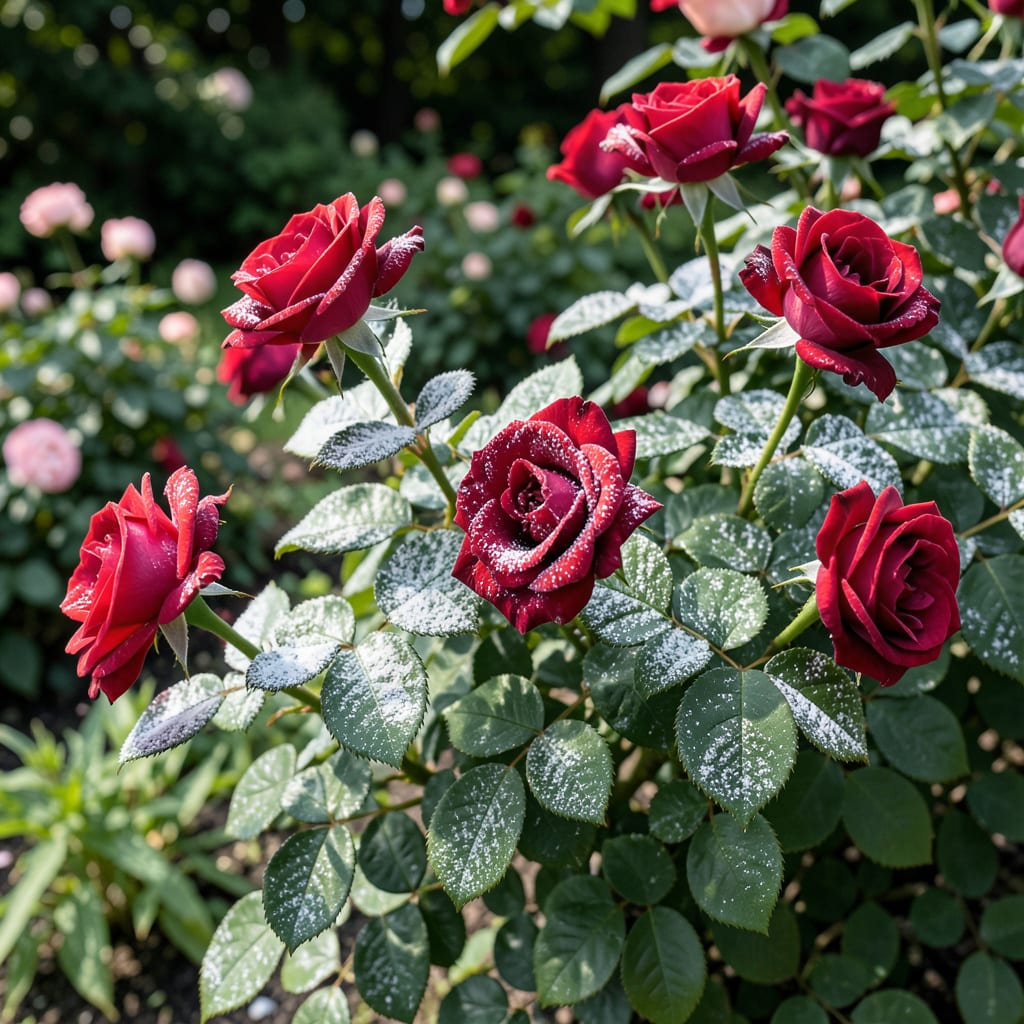
Spotting white powder on your rose leaves means trouble. I’ve battled this exact issue in my garden, and the usual culprit is powdery mildew—a common fungal problem that thrives in dry foliage but humid air.
Left unchecked, it spreads fast, weakening plants and stunting blooms. The good news? It’s treatable with organic fixes like neem oil or baking soda sprays. I’ve saved many rose bushes with simple, timely interventions.
Prevention is easier than cure. Proper spacing for airflow, morning watering, and removing infected leaves helps keep it at bay. Healthy plants resist better, so feed them well.
Don’t panic—this is fixable. With the right approach, your roses will bounce back stronger and bloom beautifully again.
The white powder on your rose bush leaves is most commonly caused by a few key factors, each tied to environmental or biological triggers. Here’s a breakdown of the primary culprits:
The most frequent cause is Podosphaera pannosa, the fungus responsible for powdery mildew. This pathogen thrives in warm, dry days followed by cool, humid nights—ideal conditions for spore germination. Roses with poor air circulation or dense foliage are especially susceptible, as stagnant air traps moisture and accelerates fungal growth.
Excess humidity (above 60%) combined with crowded plantings or overhead watering creates a perfect breeding ground for spores. Water droplets on leaves can linger, softening the plant’s cuticle and allowing fungi to penetrate. Pruning and spacing roses properly disrupts this cycle.
Over-fertilizing with nitrogen-heavy feeds promotes lush, soft growth that’s more vulnerable to infection. Conversely, potassium or phosphorus deficiencies weaken the plant’s natural defenses. A balanced, slow-release fertilizer strengthens cell walls, making it harder for fungi to take hold.
Drought-stressed roses or those in shady, damp locations are more prone to powdery mildew. Stress reduces the plant’s ability to produce protective compounds like salicylic acid, which normally fends off pathogens. Ensuring 6+ hours of sunlight and consistent watering bolster resilience.
Dealing with white powder on your rose bush leaves? Here’s how to tackle each cause with simple, effective solutions.
Mix 1 tablespoon of baking soda and 1 teaspoon of dish soap in a gallon of water. Spray this solution on the affected leaves, focusing on the undersides. Apply weekly or after rain. For severe cases, use neem oil (follow package instructions) as a natural fungicide.
Prevention tip: 💡 Space plants for better airflow and water at the base to keep leaves dry.
Remove and destroy infected leaves immediately to stop the spread. Apply a copper-based fungicide or a hydrogen peroxide spray (1 tablespoon of 3% hydrogen peroxide per gallon of water). Reapply every 5–7 days until the issue clears.
Prevention tip: 🌡️ Avoid overhead watering and ensure good drainage to reduce humidity around the plants.
Wipe off visible bugs with a cotton swab dipped in rubbing alcohol. For larger infestations, spray the plant with insecticidal soap or a mix of 1 part alcohol to 3 parts water. Repeat every few days until the pests are gone.
Prevention tip: ✨ Introduce natural predators like ladybugs or lacewings to your garden.
Gently wipe the leaves with a damp cloth or rinse them with water to remove mineral buildup. If hard water is the issue, switch to distilled or rainwater for irrigation.
Prevention tip: 🎯 Use a water softener or collect rainwater to avoid future deposits.
Yes, it can weaken your plant if left untreated. The powder is likely powdery mildew, which blocks sunlight and reduces photosynthesis. This stunts growth and can prevent blooming if severe.
A baking soda solution (1 tablespoon per gallon of water) works well for mild cases. Add 1 teaspoon of dish soap to help it stick. Spray weekly for best results.
Powdery mildew spores travel through air and water. Isolate affected bushes and remove fallen leaves to prevent contamination of nearby plants.
Improve airflow by pruning and spacing plants 3 feet apart. Water in the morning so leaves dry quickly. Avoid overhead watering to keep foliage dry.
