
Beautiful Plants For Your Interior
Beautiful Plants For Your Interior
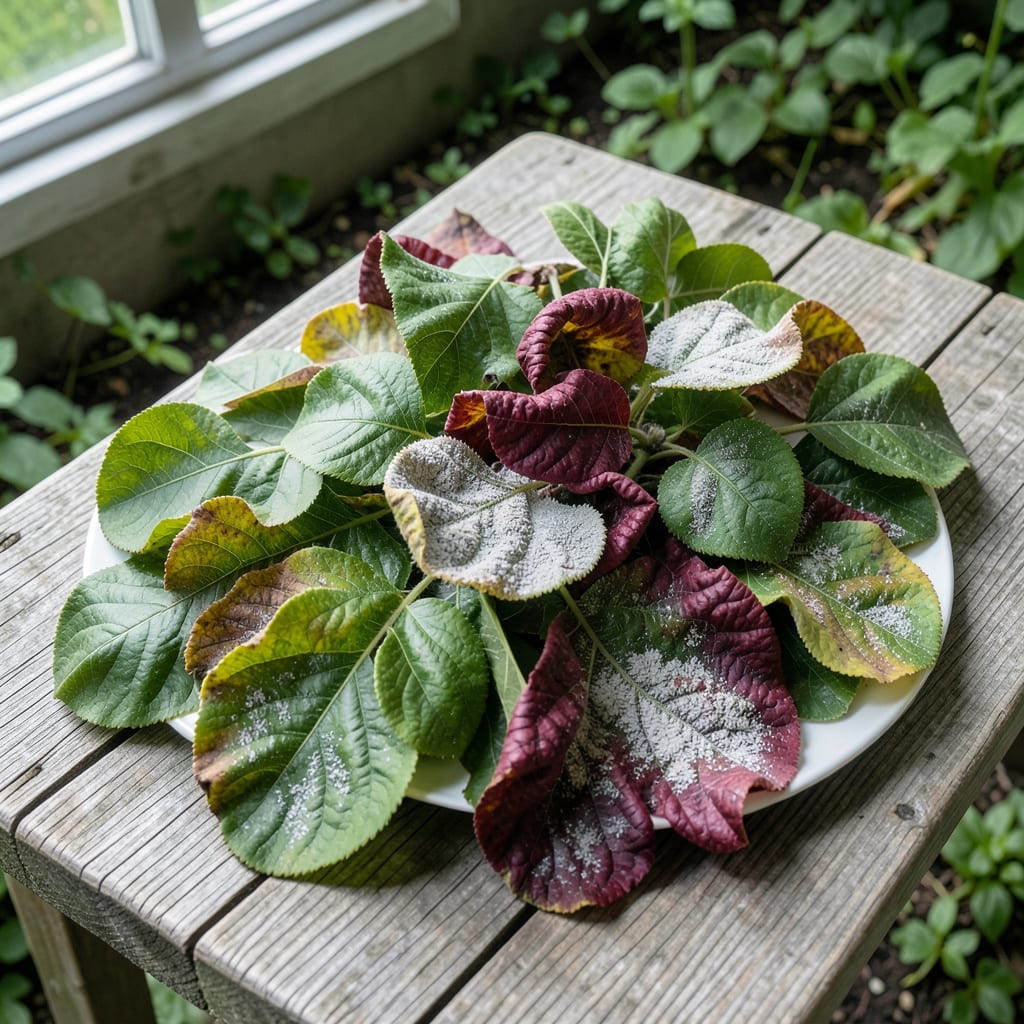
Curled leaves on your apple tree aren’t just unsightly—they’re a cry for help. I’ve watched healthy trees turn into twisted messes overnight, and the cause is almost always one of three common culprits.
The good news? Most cases are treatable without harsh chemicals. With the right approach, you can stop the spread and even reverse the damage before it ruins your harvest.
Early action is key. Left unchecked, these diseases weaken trees, reduce fruit quality, and can linger for years. The organic solutions I use target the root cause, not just the symptoms.
This guide covers how to identify, treat, and prevent leaf curl—so your apple tree stays productive and disease-free for seasons to come.
Apple tree leaf curl is a distress signal, often triggered by a mix of biological invaders and environmental stressors. Below are the primary causes, each with a distinct mechanism that disrupts the tree’s health.
Peach leaf curl (Taphrina deformans) is the most common fungal culprit, though it also affects apples. The fungus overwinters in bark crevices and bud scales, then spores infect young leaves as they emerge in spring. The pathogen disrupts cell division, causing distorted, reddened, or puckered foliage. Wet, cool springs accelerate spore release and infection rates.
Aphids, mites, and psyllids are tiny but mighty triggers. These pests pierce leaf tissues to feed, injecting saliva that contains toxins or pathogens. The resulting cellular damage leads to curling as the leaf attempts to protect itself. Heavy infestations also cause honeydew buildup, which fosters sooty mold—another layer of stress for the tree.
Extreme weather plays a role too. Drought stress forces leaves to curl inward to reduce water loss, while frost damage in late spring can injure new growth, leading to malformed leaves. Poor soil conditions—such as nutrient deficiencies (e.g., magnesium or potassium) or waterlogged roots—can also weaken the tree, making it more susceptible to secondary infections.
Overuse or improper timing of herbicides, fungicides, or foliar sprays can cause phytotoxicity. Some chemicals disrupt leaf cuticles or interfere with photosynthesis, leading to curling, scorching, or stunted growth. Always follow label instructions and apply treatments during the tree’s dormant or post-harvest phases to minimize risk.
Tackling leaf curl in apple trees starts with identifying the root cause and applying targeted fixes. Below are practical solutions for common triggers, along with prevention tips to keep your trees healthy long-term.
If Peach Leaf Curl or other fungal diseases are to blame, act fast. Remove infected leaves and branches to stop the spread. Apply copper fungicide in early spring before buds swell, or use neem oil as an organic alternative. Sanitize pruning tools with rubbing alcohol between cuts to avoid contamination.
Prevention tip: 💡 Improve airflow by thinning branches and avoid overhead watering to reduce fungal spores.
Aphids, mites, and other pests cause curling by sucking sap from leaves. Blast them off with a strong stream of water or introduce beneficial insects like ladybugs. For heavier infestations, use insecticidal soap or horticultural oil at dawn or dusk.
Prevention tip: 🎯 Plant companion flowers like marigolds to deter pests naturally.
Too much or too little water, extreme temperatures, or poor soil can stress trees, leading to curled leaves. Mulch the base to retain moisture and regulate soil temperature. Water deeply but infrequently (1–2 inches per week) and ensure the soil is well-draining. If nutrient deficiencies are suspected, conduct a soil test and amend with compost or organic fertilizer.
Prevention tip: ✨ Shield young trees from harsh winds or frost with burlap wraps in winter.
Yellowing and curling leaves may signal a lack of nitrogen, magnesium, or iron. Apply a balanced organic fertilizer (e.g., 10-10-10) in early spring. For quick fixes, use foliar sprays like Epsom salt (for magnesium) or chelated iron. Avoid over-fertilizing, which can burn roots and worsen stress.
Prevention tip: 🌱 Rotate organic matter into the soil annually to maintain nutrient richness.
Yes, fungal leaf curl can spread between trees. Fungal spores travel by wind and rain, so space trees apart and remove infected leaves immediately. Keep tools clean to prevent cross-contamination.
Severely curled leaves won’t recover, but pruning them helps the tree focus on new growth. Treat the underlying cause to protect remaining foliage and next season’s harvest.
Apply copper fungicide in late winter/early spring before buds swell. A second application after leaf fall can prevent overwintering. Timing is critical for effectiveness.
Check leaf undersides for tiny bugs, sticky residue (honeydew), or webbing. A strong water spray can dislodge pests for confirmation.
