
Beautiful Plants For Your Interior
Beautiful Plants For Your Interior
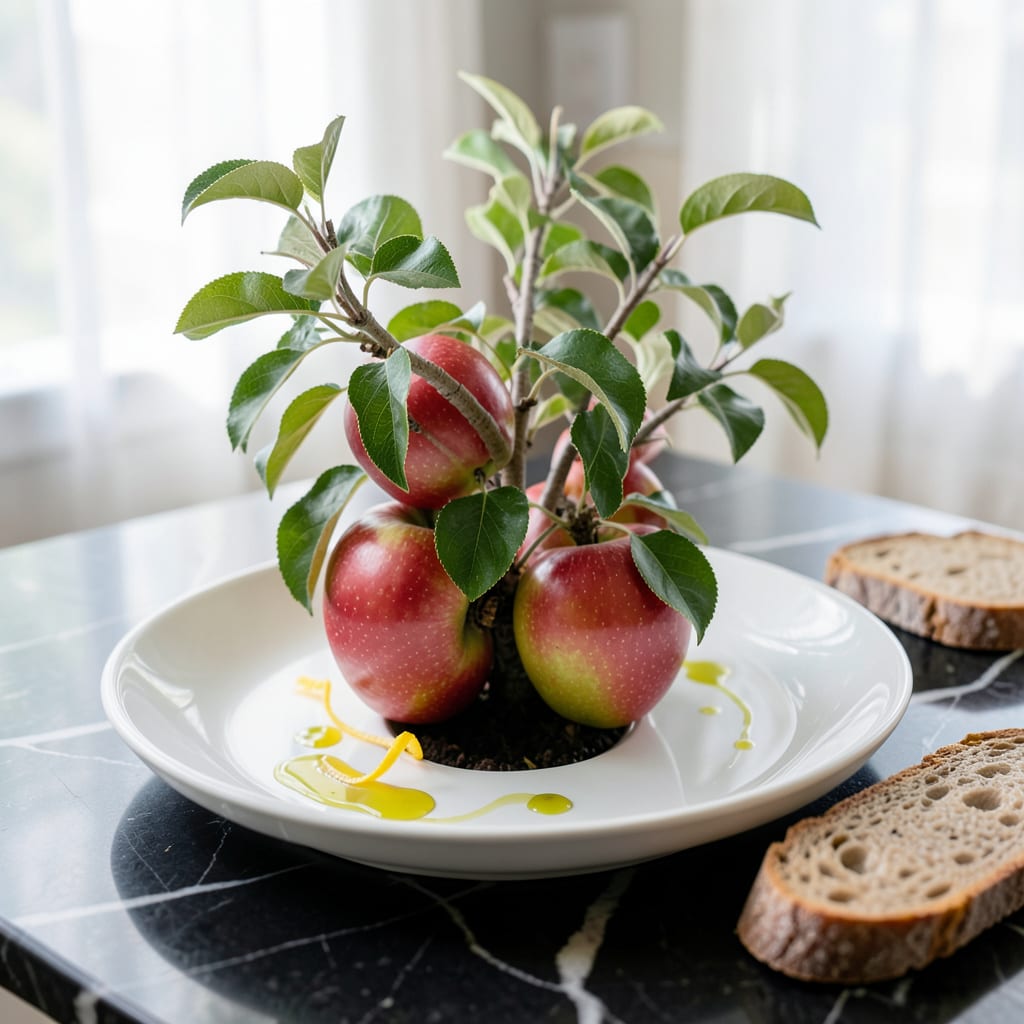
Fertilizing your Apple Tree 🍎 in California at the right time is crucial for a bountiful harvest. With California’s unique climate, understanding when to fertilize can be the difference between a mediocre yield and a record-breaking one.
In California’s 9b-11 USDA zones, the ideal fertilization periods are during the tree’s active growth phases. Let’s explore the best times to fertilize your Apple Tree 🍎 and maximize your harvest potential.

In California’s Mediterranean climate, apple trees have specific fertilization needs that differ from other regions. The state’s dry summers and mild winters create unique growing conditions that require careful timing of fertilization to maximize growth and fruit production.
Understanding California’s growing seasons is crucial for determining the best fertilization schedule. The ideal times to fertilize apple trees in California are during their active growth phases, which typically occur in early spring and late summer.
The fertilization schedule for apple trees in California is primarily dictated by the tree’s growth cycle and the state’s climate patterns. In early spring, fertilization coincides with bud break to provide essential nutrients for new growth and fruit development.
During the growing season, apple trees benefit from regular, light feedings every 4-6 weeks. This maintains optimal nutrient levels without over-fertilizing, which can be detrimental to the tree’s health.
In late summer, a second major fertilization occurs after harvest to promote root growth and prepare the tree for the next growing season. This timing is critical as it helps the tree recover from the energy expenditure of fruit production and supports healthy development during the dormant winter months.
Regional variations in California’s climate can affect the exact timing of fertilization. Coastal regions may have a slightly different schedule compared to inland areas due to differences in temperature and frost patterns.
For example, in warmer inland regions, fertilization might begin earlier in spring, while coastal areas might start slightly later. Understanding these regional nuances is key to optimizing fertilization timing.
The type of fertilizer used is also important. A balanced, slow-release fertilizer with an NPK ratio of 10-10-10 or 12-12-12 is typically recommended for apple trees in California.
It’s essential to consider the age and variety of the apple tree when determining fertilization needs. Younger trees may require more frequent fertilization to support their rapid growth, while mature trees might need less frequent applications.
Dwarf and semi-dwarf varieties, common in California orchards, have different nutrient requirements compared to standard apple trees. Their fertilization schedule should be adjusted accordingly to ensure optimal growth and fruit production.
Monitoring the tree’s response to fertilization is crucial. Signs of nutrient deficiency, such as yellowing leaves or poor fruit set, may indicate a need to adjust the fertilization schedule or nutrient balance.
Conversely, signs of over-fertilization, such as excessive vegetative growth at the expense of fruiting, should prompt a reevaluation of the fertilization program to prevent damage to the tree and the environment.
By carefully timing fertilization to match the apple tree’s growth cycle and California’s unique climate conditions, growers can optimize tree health, maximize fruit production, and ensure a sustainable orchard operation.
Fertilizing apple trees in California requires a tailored approach based on the tree’s age, growth stage, and specific nutrient needs. Understanding these factors helps you maximize growth and fruit production while minimizing waste and potential harm to the tree.
Apple trees have different fertilization needs at various growth stages. Let’s explore the key strategies for fertilizing apple trees at different stages of their development.
The type of fertilizer used is also crucial. A balanced, slow-release fertilizer is generally recommended for apple trees in California. For young trees, a starter fertilizer with a higher phosphorus content can promote root development.
Soil conditions play a significant role in fertilization strategies. Regular soil testing helps determine nutrient deficiencies and pH levels, allowing for more targeted fertilization.
In California’s diverse climate, regional adjustments may be necessary. Coastal areas might require different nutrient balances compared to inland regions due to variations in soil composition and rainfall.
Monitoring tree health and adjusting fertilization strategies accordingly is essential. Look for signs of nutrient deficiencies, such as yellowing leaves or poor fruit set, and adjust your fertilization program as needed.
By tailoring your fertilization strategy to the specific growth stage and needs of your apple trees, you can optimize their health, maximize fruit production, and ensure a sustainable orchard operation in California’s unique growing conditions 🌿.
Fertilizing apple trees in California requires careful consideration to avoid common pitfalls that can harm tree health and reduce fruit production. Understanding these mistakes helps you maintain a healthy orchard and maximize your harvest.
One of the most significant errors is over-fertilization, which can damage apple trees by promoting excessive vegetative growth at the expense of fruit production. In California’s climate, where water stress can be a concern, over-fertilization can exacerbate drought sensitivity.
Too much fertilizer can cause excessive growth, making trees more susceptible to disease and pests. It can also lead to nutrient imbalances that affect fruit quality and tree health.
Timing errors are another common mistake. Fertilizing at the wrong time can be ineffective or even harmful. For example, fertilizing in late fall or winter can stimulate new growth that may not have time to harden off before frost.
Nutrient imbalances can also occur if the fertilizer doesn’t match the tree’s needs. Apple trees require a balanced diet of nutrients, and using the wrong type or ratio of fertilizer can lead to deficiencies or excesses that impact tree health and fruit production.
To avoid these mistakes, it’s essential to monitor tree health closely and adjust your fertilization program accordingly. Regular soil testing can help determine nutrient deficiencies and guide fertilizer applications.
By being aware of these common fertilization mistakes and taking steps to avoid them, you can maintain healthy apple trees, optimize fruit production, and ensure a sustainable orchard operation in California’s unique growing conditions 🌿.
In California, apple trees typically require fertilization twice a year: once in early spring at bud break and again in late summer after harvest. During the growing season, light feedings every 4-6 weeks can help maintain optimal nutrient levels. This schedule supports healthy growth and fruit production.
A balanced, slow-release fertilizer with an NPK ratio of 10-10-10 or 12-12-12 is generally recommended for apple trees in California. For young trees, a starter fertilizer with higher phosphorus content can promote root development. The right fertilizer type ensures your trees receive the necessary nutrients for optimal growth.
No, it’s generally recommended to avoid fertilizing apple trees during winter in California. During the dormant season, trees don’t require additional nutrients, and fertilizing can stimulate new growth that may not have time to harden off before frost. Wait until early spring when the tree starts to show new growth.
Signs of over-fertilization include excessive vegetative growth, yellowing leaves, and reduced fruit production. If you notice these symptoms, stop fertilizing and consider soil testing to adjust your nutrient balance. Monitoring your tree’s health closely will help you avoid over-fertilization and ensure a healthy harvest.
