
Beautiful Plants For Your Interior
Beautiful Plants For Your Interior
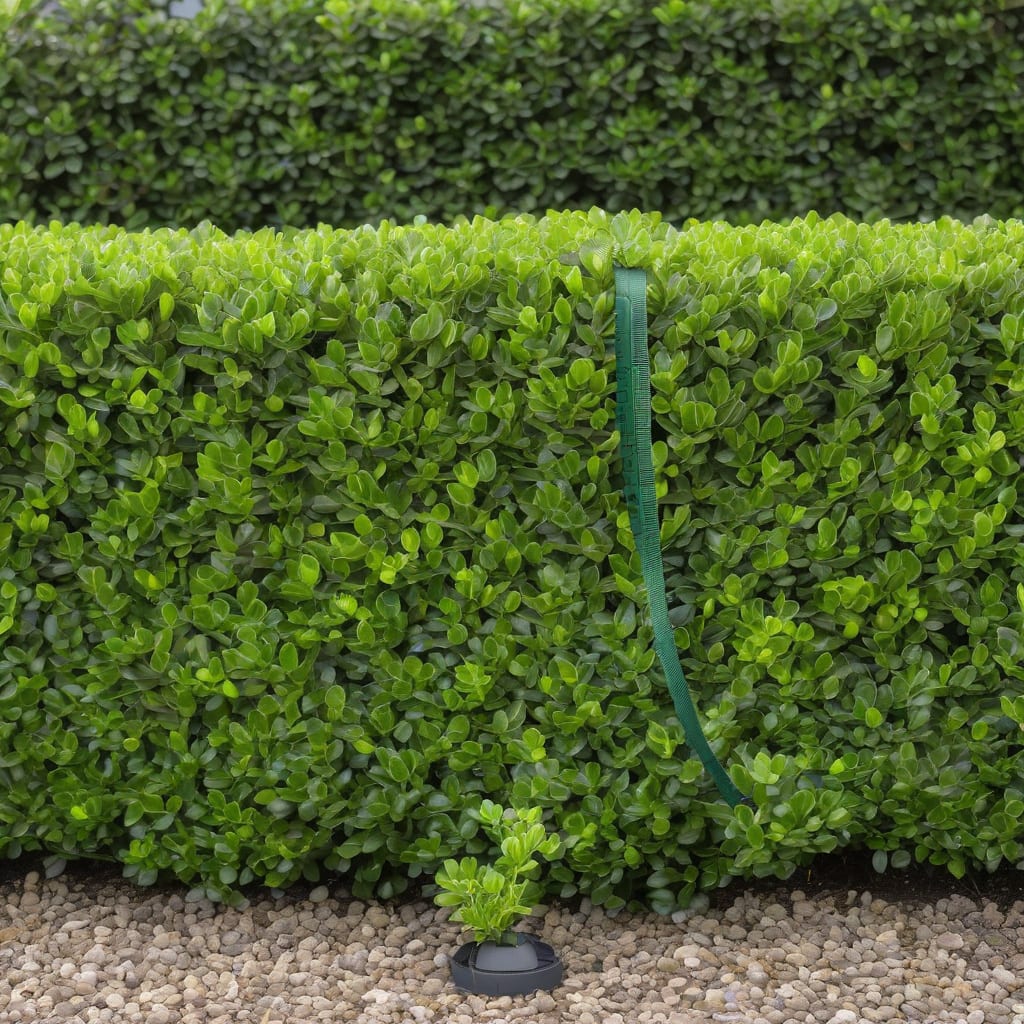
When planning your garden, understanding how tall your Boxwood 🌿 will grow is crucial for creating the perfect landscape. The height of Boxwood can vary significantly based on the variety and growing conditions.
I’ll guide you through the factors that influence Boxwood height and provide tips on managing their growth to achieve your desired garden design.

1-2 ft

2-4 ft

3-6 ft

3-15 ft
When it comes to understanding how tall boxwoods can grow, several factors come into play. The height of boxwoods is influenced by the variety, growing conditions, and maintenance practices.
I always consider these factors when planning my garden to ensure my boxwoods reach their full potential. The variety of boxwood is a significant determinant of its mature height 🌿.
The variety of boxwood plays a crucial role in determining its height. Some boxwoods are naturally compact, while others can grow quite tall. For instance, the Dwarf English Boxwood typically grows to be around 2-4 feet tall, making it ideal for hedges or topiaries.
In contrast, the American Boxwood can reach heights of up to 15 feet, making it a great choice for larger landscapes.
Understanding these factors helps in selecting the right boxwood variety for your garden and managing their growth effectively 🌱.
Boxwoods are versatile plants that can be used in various garden designs, from formal hedges to decorative topiaries. Their height can be influenced by factors such as soil quality, sunlight exposure, and pruning practices.
Soil quality is essential for healthy boxwood growth. Boxwoods thrive in well-draining soil that is rich in organic matter. Poor soil conditions can lead to stunted growth and increased susceptibility to diseases.
Sunlight exposure also affects boxwood height. While boxwoods can tolerate a range of light conditions, they generally prefer partial shade to full sun. Inadequate sunlight can result in leggy growth, while too much sun can cause leaf scorch.
Pruning practices are vital for maintaining the desired height and shape of boxwoods. Regular pruning not only controls height but also promotes denser foliage and a healthier plant.
By understanding and managing these factors, you can ensure your boxwoods grow to their full potential and maintain the desired height for your garden design 🌿.
I always recommend regular maintenance to keep boxwoods healthy and looking their best. This includes monitoring soil moisture, providing adequate nutrients, and pruning as needed.
With proper care and attention, boxwoods can be a beautiful and versatile addition to any garden, providing structure and elegance throughout the year.
When it comes to managing boxwood height, understanding the right techniques is crucial for maintaining your desired garden design. Boxwoods are versatile plants that can be shaped and pruned to fit various landscaping needs 🌿.
I always emphasize the importance of regular pruning to control boxwood height and promote healthy growth. Proper pruning techniques can help maintain the desired shape and size of your boxwoods.
Evaluate the current height and shape of your boxwoods to determine the necessary pruning.
Use sharp, clean pruning tools to maintain the desired height and shape.
Regularly check your boxwoods for new growth and prune as needed to maintain the desired height.
Pruning techniques are essential for managing boxwood height. I recommend using sharp, clean pruning tools to prevent spreading diseases and to make clean cuts that heal quickly.
The timing of pruning is also important. Prune your boxwoods during the growing season to maintain their shape and promote healthy growth.
For more formal garden designs, consider frequent light pruning to maintain a neat and tidy appearance. For more informal designs, less frequent but more substantial pruning may be appropriate.
By following these steps and maintaining regular pruning practices, you can effectively manage the height of your boxwoods and achieve your desired garden design 🌿.
Regular maintenance not only keeps your boxwoods looking their best but also promotes their overall health and longevity.
I always suggest that gardeners keep a close eye on their boxwoods and adjust their pruning schedule as needed to ensure optimal growth and appearance.
When selecting boxwood for your garden, understanding the different varieties and their mature heights is essential. Boxwoods come in various types, each with unique growth habits and maximum heights 🌿.
I consider factors such as mature height, growth rate, and landscape needs when choosing the right boxwood variety for my garden. This helps me create a balanced and visually appealing landscape.
The mature height of boxwood varieties ranges significantly. For example, Dwarf English Boxwood grows to be around 2-4 feet tall, making it perfect for compact hedges or topiaries.
In contrast, American Boxwood can reach heights of up to 15 feet, making it suitable for larger landscapes or as a standalone specimen plant.
By understanding the growth characteristics of different boxwood varieties, you can make informed decisions for your garden design and maintenance 🌱.
Choosing the right boxwood variety involves considering factors such as growth rate and landscape needs. Slower-growing varieties require less frequent pruning, while faster-growing types may need more regular maintenance.
For smaller gardens or containers, compact varieties like Dwarf English Boxwood are ideal. For larger spaces, varieties like American Boxwood can provide the desired scale and structure 🌿.
