
Beautiful Plants For Your Interior
Beautiful Plants For Your Interior
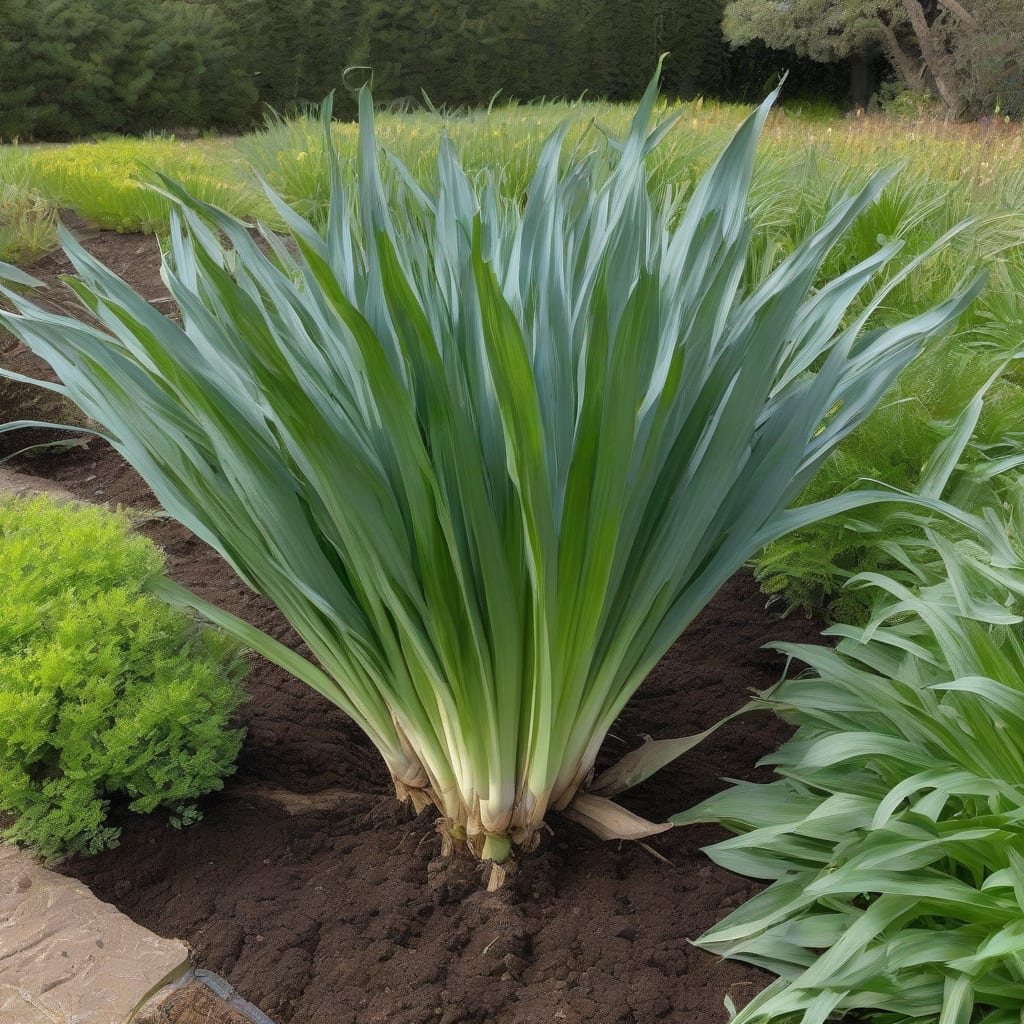
I’ve always been fascinated by how tall leeks 🥔 can grow in a home garden. Understanding their growth potential is key to planning your garden layout and maximizing your harvest.
Leeks can reach heights of 2-3 feet, making them a substantial addition to any vegetable garden in USDA Zone 6. Let’s explore what factors influence their growth and how you can optimize conditions for maximum height.


Leeks are a versatile and rewarding crop for gardeners, offering a delicate onion flavor that enhances countless dishes. Understanding how tall leeks can grow is crucial for proper spacing and harvesting. Typically, leeks can reach heights of 2-3 feet, making them a substantial addition to any vegetable garden.
The height potential of leeks depends on several factors, including the variety, soil quality, and cultivation practices. Some leek varieties are bred for their tall, slender stalks, while others may be more compact. Soil quality plays a significant role in leek growth, with well-draining, fertile soil promoting healthy development. Proper cultivation practices, such as adequate watering and fertilization, also contribute to maximizing leek height.
To achieve maximum leek height, gardeners must focus on creating optimal growing conditions. This begins with proper soil preparation, as leeks require well-draining, fertile soil to reach their full potential. Incorporating organic matter like compost or well-rotted manure improves soil structure and provides essential nutrients.
Watering strategies play a crucial role in leek cultivation. Leeks have a medium water need, requiring consistent moisture throughout their growth period. Aim to provide about 1 cup of water per week, either through rainfall or irrigation. It’s essential to maintain even moisture levels, especially during dry spells, to prevent stress that can limit growth.
Prepare soil with organic compost to improve drainage and fertility. Leeks prefer a pH between 6.0 and 7.0 for optimal growth.
Maintain consistent moisture throughout the growing season. Leeks need about 1 inch of water per week, either from rainfall or irrigation.
Feed leeks with a balanced fertilizer (10-10-10 NPK) every 4-6 weeks during the growing season to promote healthy growth and maximize height.
Proper fertilization is also critical for maximizing leek height. A balanced fertilizer with an NPK ratio of 10-10-10 provides the necessary nutrients for healthy growth. Apply fertilizer every 4-6 weeks during the growing season, following the manufacturer’s instructions for application rates.
Leeks are a cool-season crop that thrives in the cooler temperatures of spring or fall. In USDA Zone 6, gardeners can plant leeks in early spring or late summer/early fall. Planting at the right time ensures that leeks mature during the cooler months, resulting in sweeter, more flavorful stalks.
By implementing these expert gardening tips and techniques, gardeners can create an optimal growing environment for their leeks. This includes preparing the soil, maintaining consistent moisture levels, and providing adequate fertilization. With proper care, leeks can reach their full height potential and provide a bountiful harvest. 🌼
Regular maintenance is key to maximizing leek height. This includes keeping the soil consistently moist, controlling weeds that can compete for nutrients, and monitoring for pests and diseases. By following these guidelines, gardeners can enjoy a successful harvest of tall, delicious leeks.
In summary, maximizing leek height requires attention to detail and a commitment to providing optimal growing conditions. By focusing on soil preparation, watering strategies, and fertilization, gardeners can achieve a bountiful harvest of tall, flavorful leeks.
When growing leeks, gardeners often encounter challenges that can impact their height and overall health. Understanding these common issues and how to address them is crucial for a successful harvest. Leeks can be affected by various pests, diseases, and environmental stressors that can stunt their growth.
Leeks are susceptible to pests like onion flies and thrips, as well as diseases such as rust and white rot. Regular monitoring and maintaining good garden hygiene can help prevent these issues.
To overcome these challenges, gardeners can implement several strategies. Crop rotation is essential to prevent the buildup of soil-borne diseases. Using resistant varieties and maintaining good garden hygiene by removing weeds and debris can also help. Additionally, ensuring good air circulation around plants can prevent fungal diseases.
Pest management is another critical aspect of growing healthy leeks. Using organic pest control methods such as neem oil or insecticidal soap can help manage infestations without harming beneficial insects. Regularly inspecting plants for signs of pests or disease allows for early intervention.
Environmental stressors such as extreme temperatures, drought, or waterlogging can also impact leek growth. Providing consistent moisture and protecting plants from extreme weather conditions can help mitigate these effects. Mulching around plants can help retain moisture and regulate soil temperature.
By being aware of these common challenges and taking proactive steps to address them, gardeners can optimize growing conditions for their leeks. This includes maintaining good garden hygiene, managing pests and diseases, and protecting plants from environmental stressors. With proper care, leeks can reach their full height potential and provide a bountiful harvest 🌼.
In summary, while growing leeks can come with challenges, understanding and addressing these issues can lead to a successful harvest. By implementing good gardening practices and being vigilant about potential problems, gardeners can enjoy tall, healthy leeks.
