
Beautiful Plants For Your Interior
Beautiful Plants For Your Interior
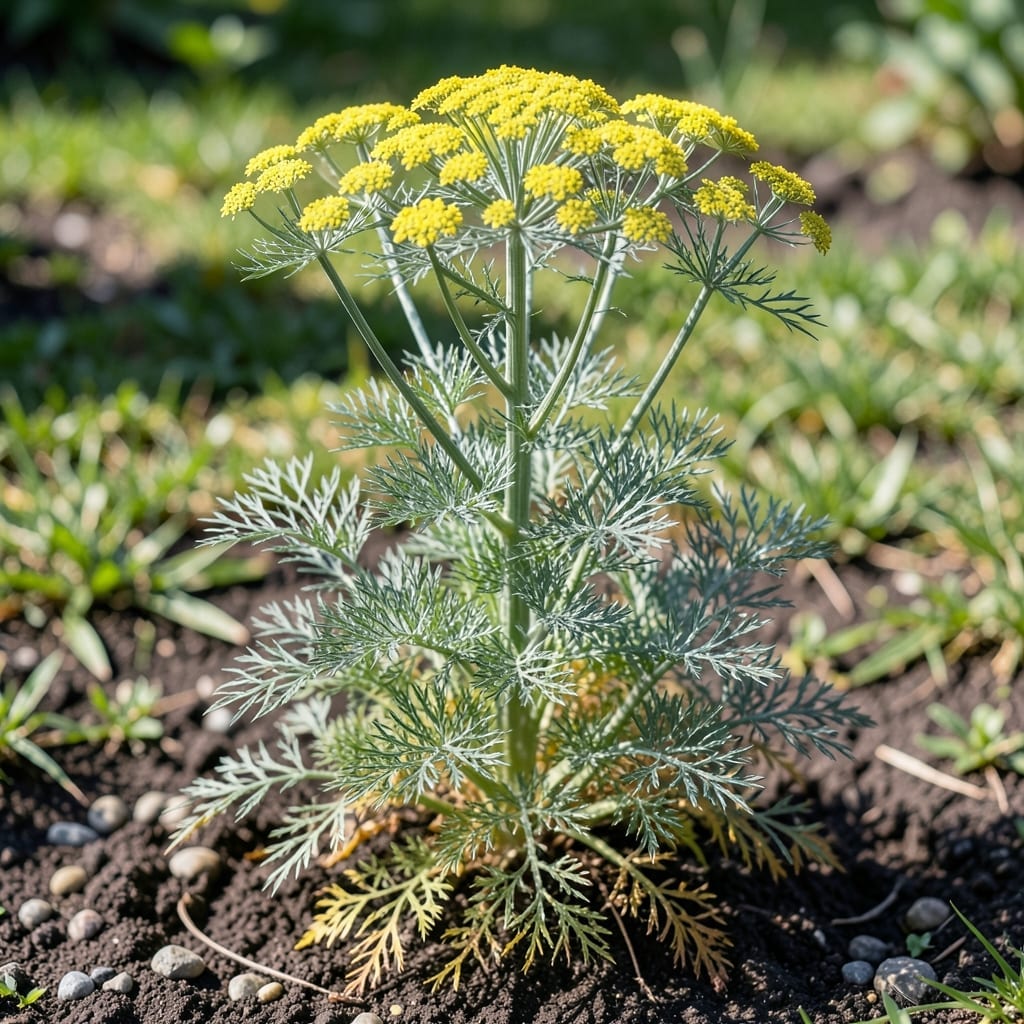
Yellow dill leaves often signal overwatering, poor drainage, nutrient deficiencies, or pest infestations. Check soil moisture and inspect foliage for signs of disease or insects.
I’ve seen this happen most often when soil stays soggy for too long, suffocating the roots and cutting off oxygen. 💫 Dill also reacts strongly to sudden temperature swings or low nitrogen levels, which show up as yellowing from the bottom leaves upward. Early inspection of the stems and undersides of leaves can reveal tiny pests or fungal spots before they spread.
💡 In This Article
When dill leaves start turning yellow, it’s often a sign of root stress from too much water. Overwatering creates a low-oxygen environment in the soil, which prevents roots from absorbing nutrients properly. The leaves respond by losing their green chlorophyll, starting with the lower foliage and moving upward as the problem worsens. 💫
Another major culprit is nitrogen deficiency. Dill is a heavy feeder, and without enough nitrogen, the plant can’t produce sufficient chlorophyll. This often appears as uniform yellowing across older leaves first. Compare this to potassium deficiency, which causes yellow edges on leaves while the centers stay green.
Fungal diseases like powdery mildew or downy mildew can also cause yellowing. These thrive in humid conditions and often leave a white or gray powdery coating on the leaves. Spider mites and aphids are common pests that suck sap from leaves, leading to yellow spots or stippling patterns where they feed.
Temperature stress plays a role too. Dill prefers temperatures between 60-75°F. When exposed to sudden cold snaps below 50°F or heat above 90°F, the plant may respond with yellowing leaves as it struggles to adapt. 🌟
Poor drainage compounds all these issues. Clay-heavy or compacted soil prevents water from draining properly, creating the perfect conditions for root rot. This often leads to wilting alongside yellowing, as the roots literally drown in the soggy soil.
Water when the top 1 inch of soil feels dry. Dill prefers consistent moisture but hates soggy roots. In hot weather, this may mean watering every 2-3 days, while cooler periods may need less.
A balanced fertilizer with nitrogen works best. Mix 1 tablespoon of fish emulsion in 1 gallon of water and apply weekly. Avoid over-fertilizing, as this can cause leaf burn.
Once leaves turn completely yellow, they won’t recover. Remove them to redirect energy to healthy growth. New leaves should appear green within 7-10 days if conditions improve.
Spider mites and aphids are common culprits. They suck sap from leaves, creating yellow stippling. Treat with neem oil spray every 5-7 days until pests are gone.