
Beautiful Plants For Your Interior
Beautiful Plants For Your Interior
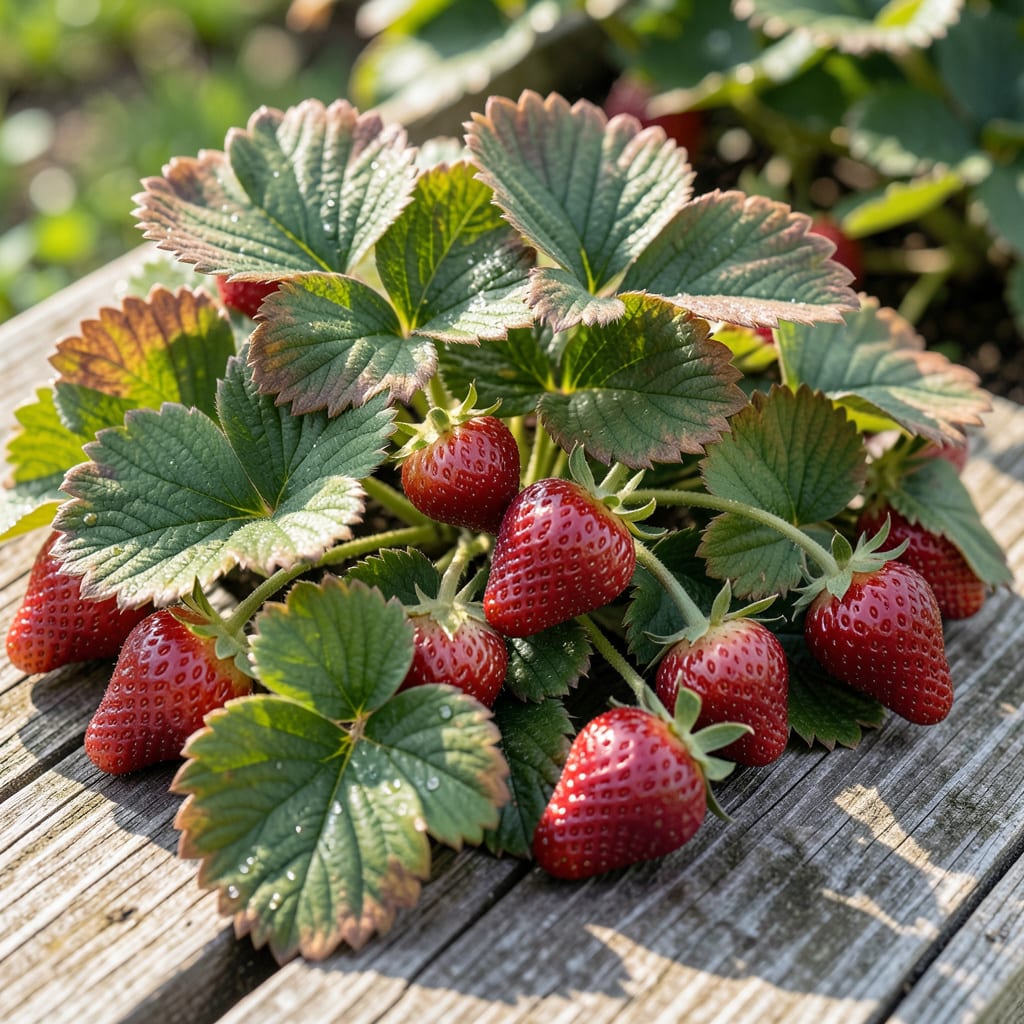
First time I saw brown edges on my strawberry leaves, I panicked. Turns out, it’s usually fixable with a few simple tweaks to your care routine.
Most often, it’s water stress—either too much or too little. Strawberries hate soggy roots but also wilt fast in dry soil. Consistent moisture without waterlogging is key.
Nutrient deficiencies, especially potassium or magnesium, can also cause those crispy edges. A balanced organic fertilizer often sets things right within 2-3 weeks of application.
Prevention is easier than cure. Mulch helps retain moisture, and testing your soil reveals exactly what your plants need before problems start.
The edges of strawberry leaves turning brown can signal several underlying issues, often tied to environmental stressors or care mismanagement. Below are the most common causes, explained with actionable insights.
Strawberries thrive in moderate temperatures (60–80°F). When exposed to intense heat or direct afternoon sun, especially in dry climates, leaf edges may scorch and brown. This happens because excessive transpiration outpaces water uptake, leading to tissue death (necrosis). Shade cloth or mulching can mitigate this.
Inconsistent moisture is a prime culprit. Underwatering causes leaf margins to dry out and brown due to cellular dehydration. Conversely, overwatering suffocates roots, reducing their ability to absorb nutrients and water, which also triggers browning. Aim for 1–1.5 inches of water weekly, adjusting for rainfall and soil drainage.
Excessive synthetic fertilizers or salty irrigation water can accumulate in the soil, drawing moisture away from roots. This osmotic stress leads to leaf-edge necrosis. Flush the soil with clean water to leach out salts, and switch to organic, balanced fertilizers (e.g., compost tea).
Pathogens like Leptosphaeria coniothyrium (leaf spot) or Phomopsis obscurans thrive in wet, humid conditions, causing brown, crispy leaf edges. Improve air circulation by spacing plants 12–18 inches apart, and apply copper-based fungicides preventatively in damp seasons.
A lack of potassium or magnesium often manifests as browning leaf margins. Potassium deficiency starts at edges and progresses inward, while magnesium deficiency causes interveinal browning. Test soil and amend with wood ash (potassium) or Epsom salt (magnesium) as needed.
Strawberry leaves with brown edges can often be revived with the right care. Below are targeted solutions based on the most common causes, along with prevention tips to keep your plants thriving.
If the soil is too dry, water deeply but infrequently (1–2 inches per week) to encourage strong roots. For soggy soil, stop watering immediately and let the top 1–2 inches dry out. Improve drainage by mixing in compost or perlite. Prevention tip: Use a moisture meter 🌡️ to check soil levels before watering.
Strawberries love sun, but intense heat can scorch leaves. Move potted plants to partial shade during peak afternoon hours (12–4 PM). For garden beds, use shade cloth (30–50%) or plant taller crops nearby for natural cover. Prevention tip: Mulch with straw 🍓 to retain moisture and cool roots.
Dry air can crisp leaf edges. Group plants together or place a tray of water near them to boost humidity. A DIY misting system or daily spritz (early morning) also helps. Prevention tip: Avoid wetting leaves at night to prevent fungal issues.
Brown edges often signal a potassium or magnesium shortage. Apply a balanced organic fertilizer (e.g., 5-5-5) or a potassium-rich amendment like wood ash (sparingly). For magnesium, use Epsom salt (1 tbsp/gallon of water) as a foliar spray. Prevention tip: Test soil 🧪 annually to monitor nutrient levels.
For spider mites or aphids, spray leaves with neem oil or insecticidal soap (1 tbsp/quart of water). Fungal issues (e.g., leaf spot) can be managed with copper fungicide or a baking soda solution (1 tsp baking soda + 1 quart water + a drop of soap). Prevention tip: Remove affected leaves promptly and avoid overhead watering.
Pro tip ✨: Always water at the base of the plant to keep foliage dry and prevent disease spread.
Not necessarily! Browning edges often indicate stress, not death. With proper care, most plants recover in 2-3 weeks. Focus on fixing the underlying issue first.
Yes, as long as the berries themselves look healthy and the issue is environmental. Avoid eating if you suspect fungal disease or pesticide residue. Always wash thoroughly.
Check the soil 2 inches deep. If bone dry, it needs water. If soggy and smelly, you’re overwatering. A moisture meter gives precise readings.
Yes, but only if most of the leaf is still green. Use clean scissors to remove just the damaged portions, leaving healthy tissue. Never remove more than 1/3 of the foliage at once.
