
Beautiful Plants For Your Interior
Beautiful Plants For Your Interior
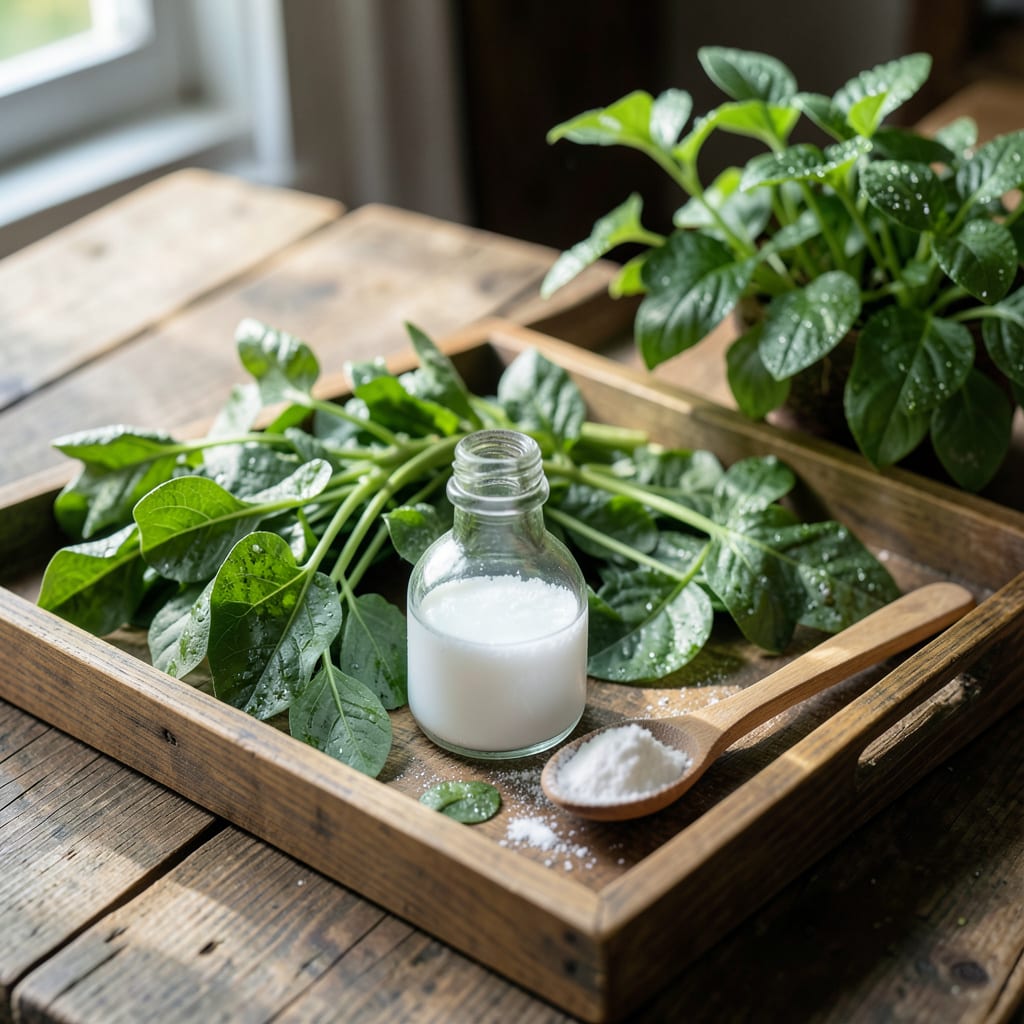
Mildew on your plants is frustrating, but I found a simple solution. This DIY spray uses a pantry staple to restore healthy foliage without harsh chemicals.
I used to lose entire crops to powdery mildew until I discovered this method. The key is catching it early and applying consistently—it won’t work on severe infections, but it stops the spread fast.
Within 48 hours, you’ll see the white spots fade as new growth emerges clean. The plants recover faster, and the spray doubles as prevention for future outbreaks.
Works on roses, squash, and most leafy greens. Here’s how to mix and apply it properly.
Mildew on plants is a common issue, but understanding its root causes can help you prevent it effectively. Here are the primary reasons why it happens:
Mildew thrives in damp environments. When humidity exceeds 60%, spores can germinate and spread rapidly across leaves and stems. Poor air circulation exacerbates the problem, trapping moisture and creating the perfect breeding ground.
Most mildew species flourish in temperatures between 60–80°F (15–27°C). This range accelerates spore growth, especially when combined with high humidity. Greenhouses or crowded plant arrangements often trap heat, speeding up infestations.
Excess water on foliage or soggy soil invites mildew. Overhead watering, especially in the evening, leaves leaves wet for hours, giving spores time to take hold. Ensure pots have drainage holes and water at the base to keep leaves dry.
Dense foliage blocks airflow, trapping moisture and heat. Prune regularly to improve ventilation, and space plants apart to reduce humidity buildup. This simple step can significantly lower mildew risks.
Plants weakened by poor nutrition, pests, or environmental stress are more susceptible to mildew. Strengthen their defenses with balanced fertilization and proper care to resist fungal attacks.
If excess moisture is the culprit, reduce watering frequency and ensure pots have drainage holes. Let the top inch of soil dry out between waterings. For potted plants, empty saucers after watering to prevent standing water. Prevention tip: 💡 Use a moisture meter to avoid guesswork.
Mildew thrives in stagnant air. Space plants apart to allow airflow, and prune dense foliage to open the canopy. Outdoors, avoid crowding plants; indoors, use a small fan on low to keep air moving. Prevention tip: ✨ Prune regularly to maintain good airflow.
High humidity encourages mildew growth. Use a dehumidifier indoors or group plants with a desiccant like silica gel. Outdoors, water in the morning so foliage dries quickly. Prevention tip: 🌡️ Aim for 40-50% humidity around plants.
Mix 1 teaspoon baking soda, 1 quart water, and a few drops of liquid soap in a spray bottle. Spray lightly on affected leaves (avoid soaking) every 7-10 days until mildew clears. Prevention tip: 🎯 Test on a small leaf area first to check for sensitivity.
Apply every 7-10 days for active mildew, or every 2-3 weeks as prevention. Consistency is key—stopping too soon may allow mildew to return.
Most plants tolerate it well, but test on a small leaf first. Avoid using on sensitive varieties like ferns or some succulents.
It alters the pH on leaf surfaces, making it harder for fungal spores to grow. The addition of soap helps the solution stick to leaves.
Improve airflow, reduce humidity, and avoid overhead watering. For severe cases, alternate with neem oil or consider fungicides.
