
Beautiful Plants For Your Interior
Beautiful Plants For Your Interior
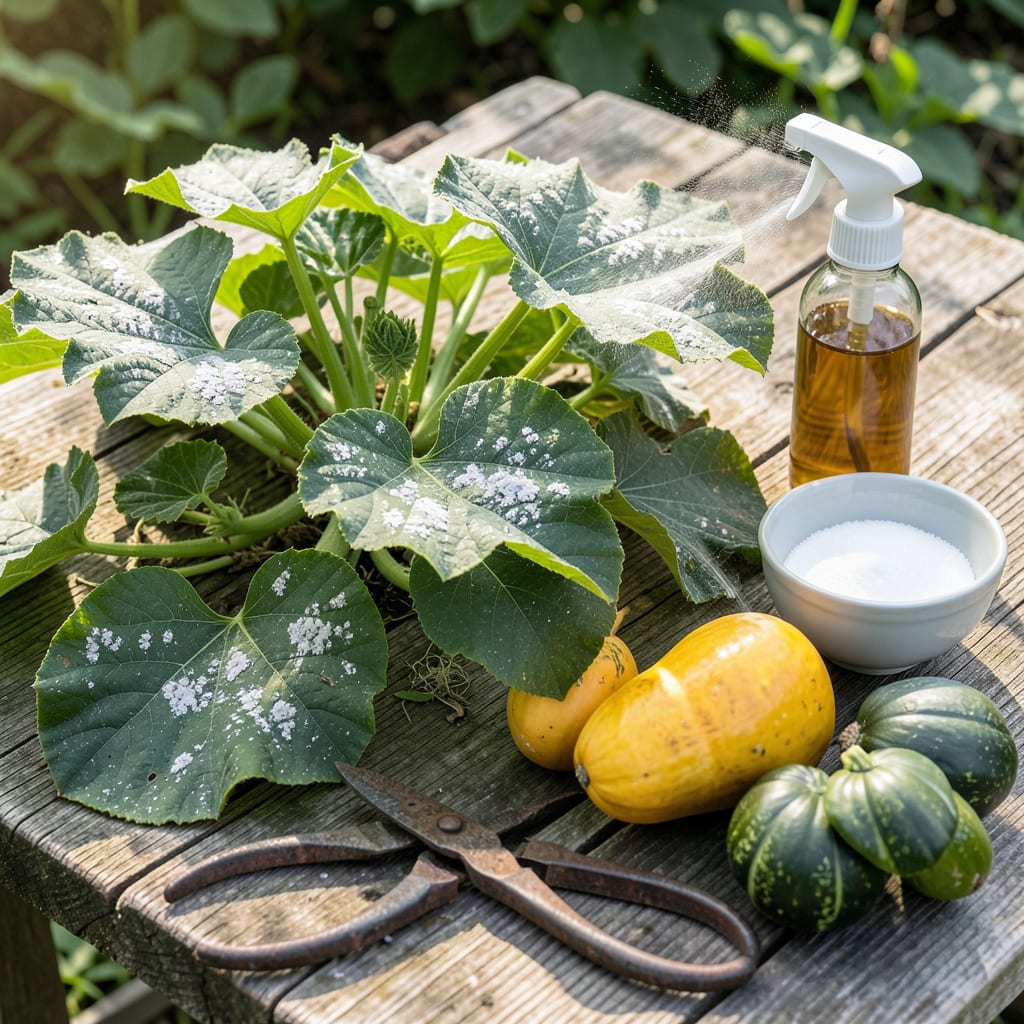
That white powder on your squash leaves isn’t dust—it’s trouble. I’ve lost entire crops to powdery mildew before learning how to stop it in its tracks. The good news? This organic spray works fast.
Powdery mildew thrives in warm, dry conditions with poor air circulation. My first season, I crowded plants and watered from above—big mistake. Now I space them 3 feet apart and aim water at the soil, not leaves.
Within 24 hours of treatment, new growth emerges clean. The spray prevents spores from spreading, and healthy foliage means stronger plants and better yields.
Best part? No harsh chemicals. Just simple ingredients you probably already have. Here’s how to mix it and apply it for healthy squash all season.
Powdery mildew doesn’t just appear out of thin air—it thrives under specific conditions. Understanding why this fungal disease targets your squash plants is the first step to preventing it. Below are the most common causes, broken down for clarity.
This fungus Erysiphe cichoracearum (the primary culprit for squash) loves stagnant, humid air. When plants are crowded or pruned improperly, airflow is restricted, creating a microclimate where moisture lingers on leaves. Squash plants in dense canopies or shaded areas are especially vulnerable.
Watering from above leaves foliage damp for extended periods, giving fungal spores the perfect wet surface to germinate. Unlike downy mildew, powdery mildew doesn’t require free water to spread—but wet leaves in low light accelerate its growth.
Some squash cultivars (like zucchini and pumpkins) are genetically more prone to powdery mildew. Additionally, stressed plants—those lacking nutrients (particularly potassium or phosphorus) or over-fertilized with nitrogen—develop weaker cell walls, making them easier targets.
The fungus overwinters in plant debris and can travel via wind, insects, or contaminated tools. If last season’s squash patch had mildew, spores may still lurk in the soil or on trellises, ready to reinfect new growth.
Actionable tip: Rotate crops yearly and remove infected plant debris to break the cycle.
Powdery mildew on squash plants is frustrating, but these targeted solutions will help you regain control and restore your garden’s health. Address the root causes with these practical fixes and prevention strategies.
💡 Pro Tip: Remove and destroy severely infected leaves (don’t compost them!) to stop the fungus from spreading further.
Mix 1 tsp baking soda with 1 quart water and a few drops of dish soap. Spray leaves thoroughly every 5-7 days until symptoms fade.
Yes, the fruit remains safe to eat. Focus on treating the foliage, as the fungus only affects leaves and stems, not the edible parts.
Heavy rain can reduce effectiveness. Reapply organic sprays like neem oil or baking soda solution after significant rainfall for best results.
Rotate crops, remove all plant debris in fall, and choose resistant varieties. Space plants 3 feet apart to improve airflow.
