
Beautiful Plants For Your Interior
Beautiful Plants For Your Interior
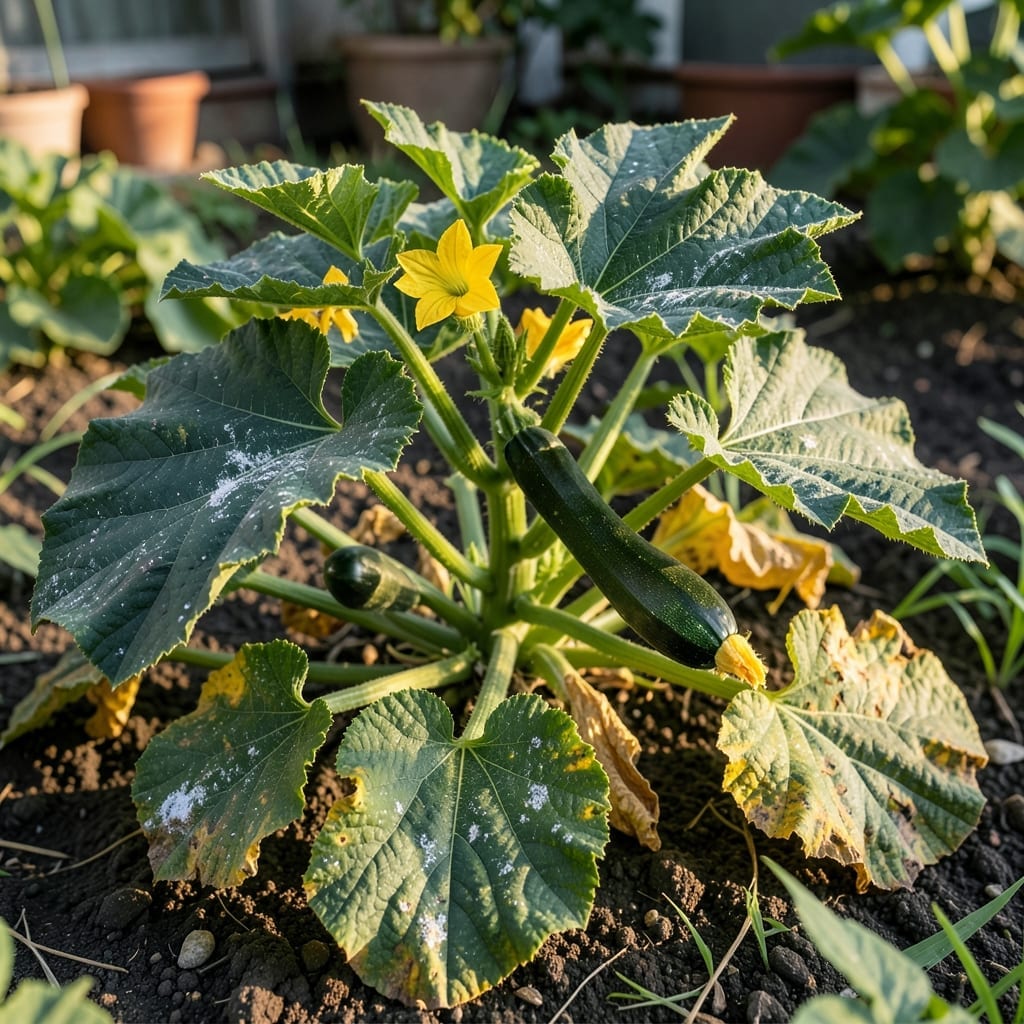
Your zucchini plants were thriving yesterday, now they’re wilting like sad balloons. I’ve been there—one morning they’re fine, the next they’re covered in powdery spots or chewed to stubs.
The usual suspects? Squash bugs hiding under leaves, powdery mildew from damp air, or blossom end rot from uneven watering. Each leaves a distinct calling card, and once you learn the signs, the fixes get simple.
I’ve saved more zucchini plants than I can count with basic tweaks—hand-picking pests, improving airflow, or adjusting my watering routine. The plants bounce back fast when you address the root cause.
No green thumb required, just a little observation and quick action. Here’s how to diagnose and fix what’s really going on.
Understanding why your zucchini plants struggle is the first step to fixing them. Here are the most common causes, explained simply:
Zucchinis thrive in well-draining, nutrient-rich soil with a pH between 6.0 and 7.5. Compacted or sandy soil restricts root growth, while clay soil retains too much water, leading to root rot. A lack of organic matter (like compost) can starve plants of essential nitrogen, phosphorus, and potassium, stunting growth and reducing yields.
Inconsistent moisture is a top culprit. Overwatering drowns roots and invites fungal diseases like powdery mildew, while underwatering causes wilting, blossom drop, and bitter fruit. Zucchinis need 1–2 inches of water per week, delivered at the base (not the leaves) to prevent foliar diseases.
Common pests like squash bugs, cucumber beetles, and aphids sap plant vitality. These insects pierce leaves and stems, spreading bacterial wilt or causing direct damage. Squash vine borers are especially destructive—their larvae tunnel into stems, cutting off nutrient flow.
Humid conditions and poor air circulation foster diseases like powdery mildew (white leaf coating) and bacterial leaf spot (yellow-brown lesions). Overhead watering and crowded plantings worsen these issues. Fungal spores can also linger in soil or debris from previous seasons.
Extreme temperatures (below 50°F or above 90°F) disrupt pollination and fruit set. Heat stress can cause blossoms to drop, while cold snaps slow growth. Insufficient sunlight (zucchinis need 6–8 hours daily) leads to leggy, weak plants with poor fruiting.
Zucchini plants can face a few common issues, but most are easy to tackle with the right approach. Below are practical solutions for the most frequent problems, along with tips to keep your plants thriving.
Yellow leaves often signal a lack of nitrogen or iron. Apply a balanced fertilizer (10-10-10) or a nitrogen-rich amendment like compost tea. For iron deficiency, use chelated iron spray. Prevention tip: 💡 Test soil before planting and amend with organic matter annually.
Blast aphids off with a strong water spray early in the day. For squash bugs, handpick eggs from leaf undersides or use neem oil. Prevention tip: ✨ Encourage beneficial insects (like ladybugs) by planting companion flowers such as marigolds.
This is caused by calcium imbalance, often due to uneven watering. Keep soil consistently moist (not soggy) and add crushed eggshells or gypsum to the soil. Prevention tip: 🌡️ Use drip irrigation to maintain steady moisture levels.
Remove affected leaves and spray with a baking soda solution (1 tsp baking soda + 1 quart water + a few drops of soap). Space plants 2–3 feet apart for better airflow. Prevention tip: 🎯 Water at the base to avoid wetting leaves, especially in humid climates.
If fruits are small or rot before maturing, pollination may be the issue. Hand-pollinate by transferring pollen from male to female flowers with a small brush. Prevention tip: ✨ Plant pollinator-friendly flowers nearby to attract bees.
Yellow leaves often signal a nitrogen deficiency or iron shortage. Apply a balanced fertilizer or compost tea for nitrogen, or use chelated iron spray. Test soil pH to rule out other imbalances.
Improve airflow by spacing plants 2-3 feet apart. Water at the base to keep leaves dry, and spray a baking soda solution (1 tsp per quart of water) weekly. Remove affected leaves immediately.
This is usually blossom end rot from uneven watering. Maintain consistent soil moisture with drip irrigation and add crushed eggshells or gypsum for calcium.
Handpick eggs from leaf undersides daily. Use neem oil or a strong water spray to dislodge adults. Plant marigolds nearby to deter pests.