
Beautiful Plants For Your Interior
Beautiful Plants For Your Interior
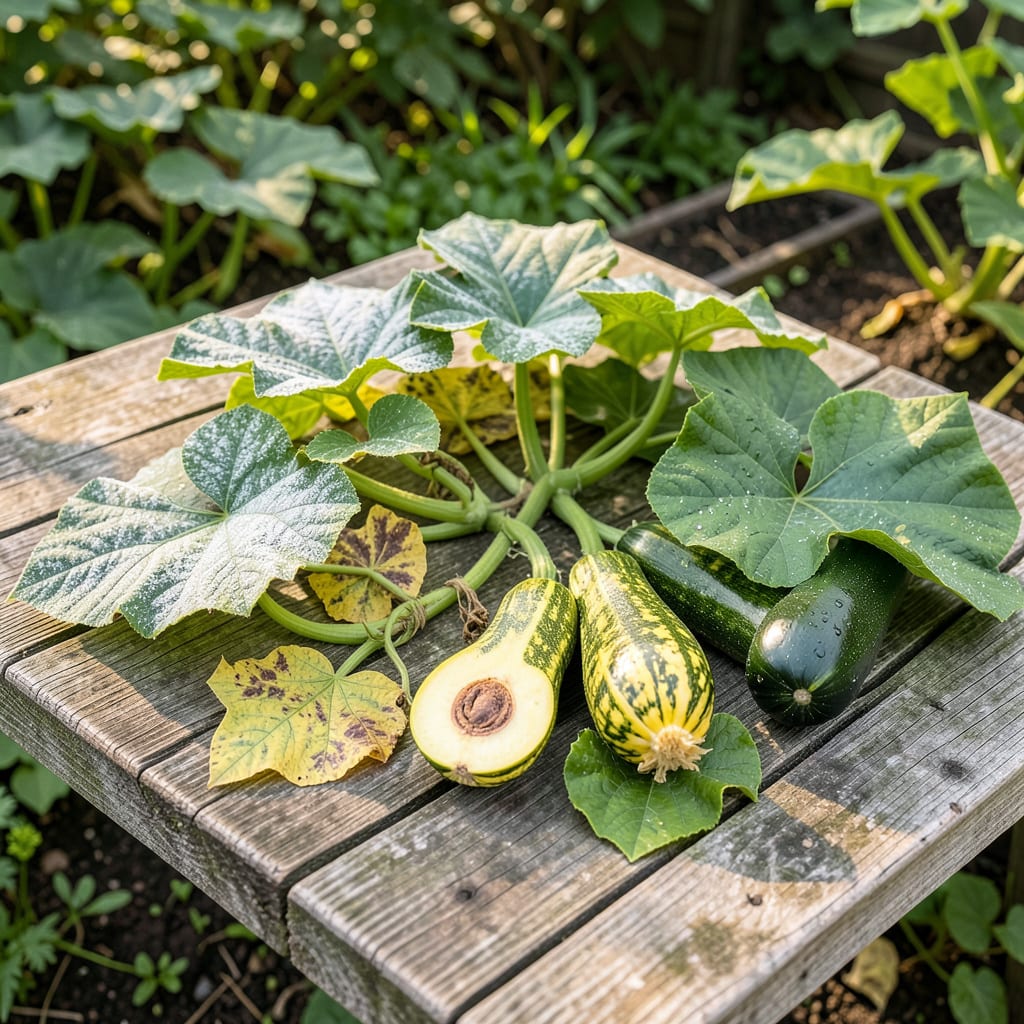
Your zucchini leaves turn yellow overnight. I’ve been there—watching healthy plants crumble from powdery mildew or wilting under bacterial blight. Spotting the problem early saves your harvest.
The clues are in the patterns: white dust on top, brown spots with rings, or leaves that curl like they’re hiding. Each symptom points to a different culprit, and the fix is often simpler than you think.
I’ve pulled plants too late and lost weeks of growth. Now I check daily and act fast. A copper spray or neem oil at the first sign can stop the spread before it ruins your crop.
Prevention starts with air flow and morning watering. Healthy plants resist trouble better, and you’ll harvest longer with less stress.
Zucchini plants are hardy, but they’re not invincible. Diseases often strike due to a mix of environmental, biological, and cultural factors. Here’s a breakdown of the most common causes:
Many zucchini diseases, like powdery mildew and downy mildew, thrive in wet, humid conditions. Overhead watering, poor soil drainage, or heavy rainfall can create a breeding ground for fungal spores. These pathogens spread rapidly when leaves stay wet for extended periods, especially in crowded plantings with limited airflow.
Fungi like Phytophthora infestans (causing late blight) and bacteria such as Xanthomonas campestris (leading to bacterial leaf spot) are primary culprits. These microbes can linger in soil, infected plant debris, or even garden tools. Splashing water or wind can carry them to healthy plants, where they infect through wounds or natural openings in the leaves.
Insects like cucumber beetles and aphids don’t just damage plants—they also spread viruses such as cucumber mosaic virus. Stressed zucchini plants (from drought, nutrient deficiencies, or root damage) are more vulnerable to infections. Weak plants lack the vigor to fend off pathogens, making them easy targets.
Diseases can start before the plant even sprouts. Contaminated seeds or soil harboring pathogens like Fusarium or Verticillium wilt fungi can infect young seedlings. Rotating crops and using disease-resistant seeds can significantly reduce this risk.
Understanding these triggers helps you take preventive action—like improving airflow, practicing crop rotation, or removing infected debris—to keep your zucchini plants healthy.
Act fast to save your zucchini plants! Below are targeted fixes for the most common diseases, plus prevention tips to keep them healthy.
Remove infected leaves and space plants 2-3 feet apart for better airflow. Spray affected areas with neem oil or a baking soda solution (1 tsp baking soda + 1 quart water + a few drops of dish soap). Water at the base to keep foliage dry.
Prevention: Choose resistant varieties like ‘Dundee’ or ‘Wild Garden’. Avoid overhead watering.
Prune infected leaves and destroy them (do not compost). Apply copper-based fungicide to prevent spread. Rotate crops yearly to break the disease cycle.
Prevention: Use drip irrigation to reduce leaf wetness. Sterilize tools with rubbing alcohol between cuts.
Remove and destroy infected plants immediately to prevent further spread. Control aphids—common carriers—with insecticidal soap or introduce beneficial insects like ladybugs.
Prevention: Plant reflective mulch to deter aphids. Use row covers early in the season.
Apply potassium bicarbonate or a commercial fungicide at the first sign of yellow spots. Remove heavily infected leaves to improve air circulation.
Prevention: Space plants properly and water in the morning so leaves dry quickly.
Handpick eggs and adults in the morning and drop them in soapy water. Place cardboard traps under plants to catch hiding bugs. Use kaolin clay as a barrier spray.
Prevention: Clean up garden debris in fall to reduce overwintering sites. Rotate crops annually.
Pro tip 💡: Healthy soil boosts plant resilience! Add compost and avoid over-fertilizing with nitrogen, which encourages leafy growth prone to disease.
Disease spots often have defined edges or ring patterns, while stress spots are more uniform. Check for additional signs like white powder or wilting to confirm a problem.
Neem oil and baking soda sprays work well for fungal issues. For pests, try insecticidal soap or handpicking. Always apply in the evening to avoid harming bees.
If wilting spreads rapidly with brown streaks in stems, it’s likely bacterial wilt. Remove the plant immediately to protect others—recovery is unlikely at this stage.
Check daily for early signs, especially after rain or humid weather. Focus on leaf undersides and stems where problems often start. Catching issues early saves your harvest.
