
Beautiful Plants For Your Interior
Beautiful Plants For Your Interior
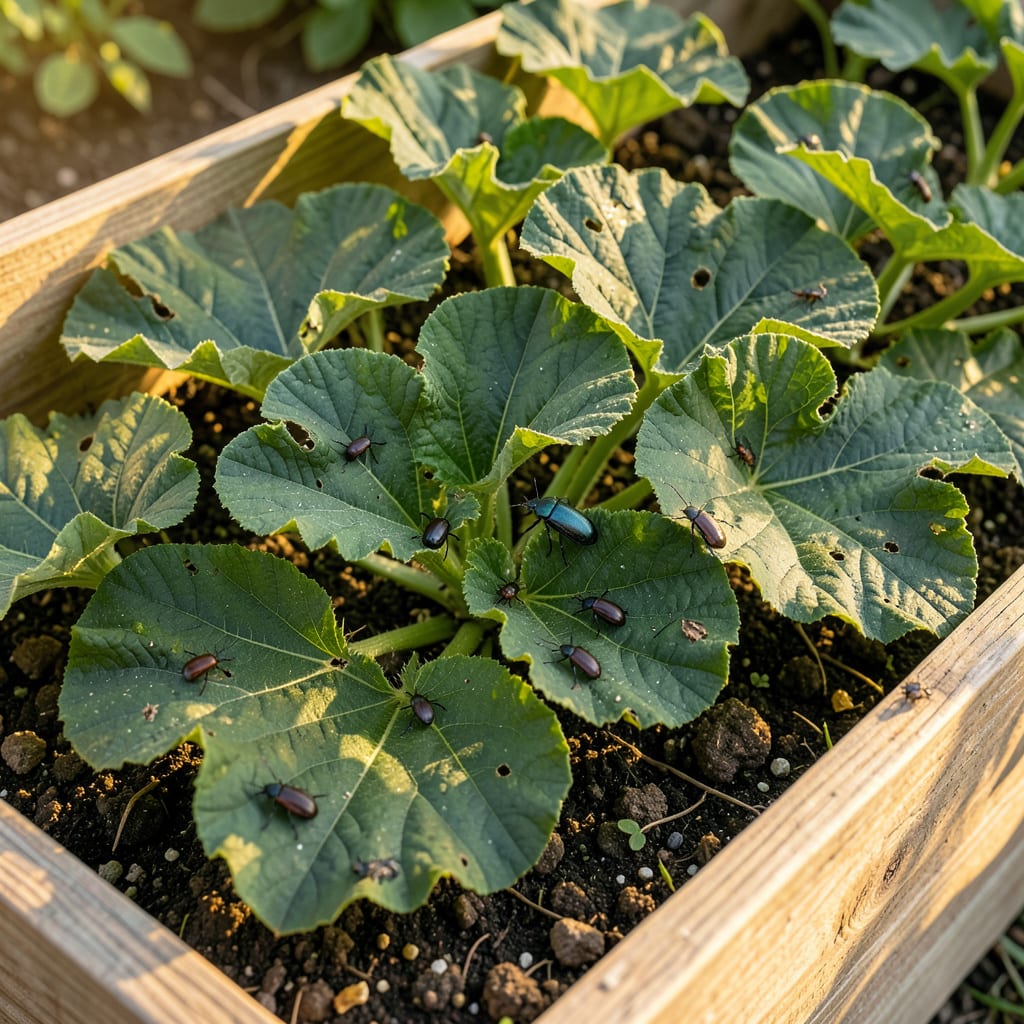
My zucchini plants looked healthy yesterday. Today, the leaves are Swiss cheese. 🌿 I’ve been there—watching pests turn thriving plants into a buffet overnight. It’s frustrating, but solvable with the right approach.
First step is identifying the culprit. Squash bugs, cucumber beetles, and aphids love zucchini leaves, each leaving distinct damage patterns. Once you know what you’re dealing with, organic solutions like neem oil or hand-picking can stop the feast.
Prevention is simpler than you think. Row covers, companion planting, and regular inspections catch problems early. I implemented these last season and cut my pest issues by 80% without harsh chemicals.
Healthy plants fight back better. Proper watering, good soil, and consistent care make your zucchini less appealing to pests and more resilient when they do attack.
Zucchini plants are a magnet for pests due to several biological and environmental factors. Understanding these causes helps you target the root of the problem effectively.
Zucchini leaves are tender and packed with moisture and nutrients, making them an irresistible meal for insects like squash bugs, cucumber beetles, and aphids. The high water content in the leaves provides hydration, while the sugars and proteins support rapid pest reproduction. This combination turns your zucchini plants into a buffet for hungry bugs.
Zucchini plants release volatile organic compounds (VOCs) that act as chemical beacons for pests. These scents signal a food source, drawing insects from afar. For example, cucumber beetles are highly attracted to the scent of cucurbit plants, which includes zucchini. The stronger the plant’s scent, the more likely it is to become a target.
In many gardens, the absence of beneficial insects like ladybugs, lacewings, or parasitic wasps allows pest populations to thrive unchecked. Without these natural predators, bugs that feed on zucchini leaves can multiply rapidly, leading to widespread damage. Monoculture planting (growing only zucchini) often exacerbates this issue by eliminating biodiversity that would otherwise keep pests in balance.
Excess moisture creates ideal conditions for pests like slugs, snails, and whiteflies. Overwatered soil or poor drainage leads to damp foliage, which softens the leaves further and makes them easier to chew. Additionally, standing water can attract moisture-loving insects, turning your garden into a breeding ground for leaf-munching invaders.
Dealing with pests munching on your zucchini leaves can be frustrating, but these targeted solutions will help you reclaim your garden. Below are practical fixes for common culprits, along with prevention tips to keep them from returning.
These tiny green or black bugs cluster on the undersides of leaves. Use a strong spray of water from a hose to knock them off. For stubborn infestations, apply insecticidal soap or neem oil every 5–7 days. Prevention tip: 💡 Encourage ladybugs and lacewings, their natural predators, by planting companion flowers like marigolds or alyssum.
Check for brown, shield-shaped bugs and their copper-colored eggs on leaf undersides. Handpick adults and eggs daily, dropping them into soapy water. Lay cardboard traps under plants overnight—they’ll gather there by morning. Prevention tip: 🌱 Rotate crops yearly and clear garden debris where they overwinter.
Tiny webs and speckled leaves signal these pests. Spray plants with water to dislodge them, and apply neem oil or horticultural oil for control. Prevention tip: 💧 Keep plants well-watered, as mites thrive in dry conditions. Mulch can also help retain moisture.
Yellow and black striped beetles chew leaves and spread disease. Cover young plants with floating row fabric until they flower. For adults, use kaolin clay spray as a barrier. Prevention tip: ✨ Plant radishes or nasturtiums nearby to lure them away from zucchini.
These night feeders leave slime trails and irregular holes. Place beer traps (shallow dishes filled with beer) or copper tape around beds. Handpick them at dusk. Prevention tip: 🌿 Remove hiding spots like boards or dense mulch near plants.
With consistent effort, you can protect your zucchini and enjoy a thriving harvest!
Squash bugs, cucumber beetles, and aphids are the usual suspects. Squash bugs are brown and flat, beetles are yellow and black striped, and aphids are tiny green or black clusters.
Check the damage pattern. Holes with ragged edges suggest beetles, while squash bugs leave brown, wilted spots. Aphids create sticky residue and curled leaves.
Neem oil is effective against aphids, spider mites, and young squash bugs. Apply in the evening and reapply every 5-7 days for best results. It’s less effective on adult cucumber beetles.
Yes! Use row covers for young plants, encourage beneficial insects with companion planting, and remove garden debris. These methods reduce pest issues by 80% naturally.
