
Beautiful Plants For Your Interior
Beautiful Plants For Your Interior
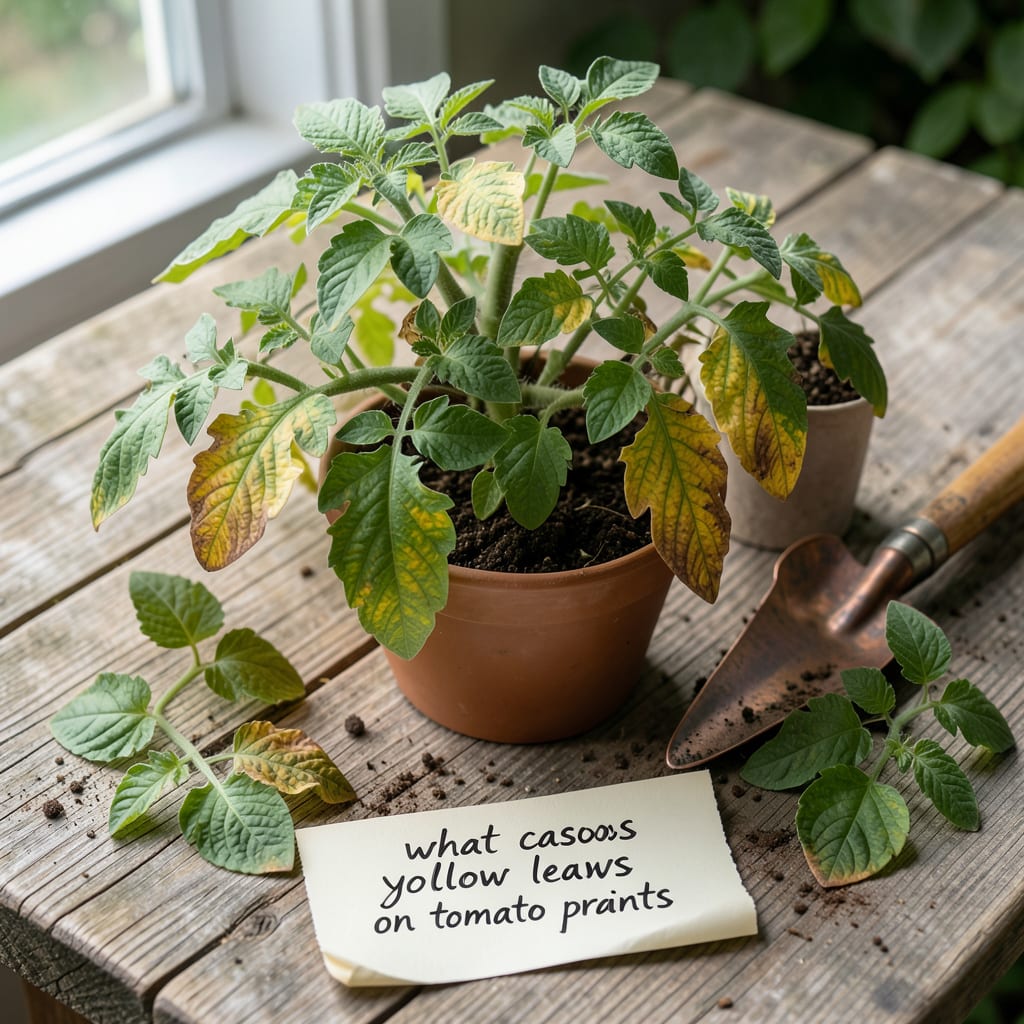
Yellow leaves on tomatoes always mean something’s off. I’ve seen this in my garden every season, and it’s rarely just one cause—usually a mix of water, nutrients, or pests.
Overwatering drowns roots, while underwatering leaves them thirsty. Both show up as yellowing, often starting at the bottom. Nutrient shortages like nitrogen or magnesium hit next, turning leaves pale or spotted.
Then there’s the sneaky stuff: aphids sucking sap, fungal diseases spreading spots, or even too much sun scorching the edges. Each leaves its own yellow signature.
Good news? Most fixes are simple once you know the signs. Here’s how to play detective and nurse your plants back to vibrant green.
Yellow leaves on tomato plants are often a distress signal, and pinpointing the exact cause is key to reviving your crop. Here are the most common culprits:
Nitrogen, magnesium, or iron shortages are frequent offenders. Nitrogen deficiency starts with lower leaves turning pale yellow, while magnesium lack causes yellowing between leaf veins (interveinal chlorosis), often in older leaves first. Iron deficiency, on the other hand, targets young leaves, turning them yellow with green veins. A soil test can confirm which nutrient is missing, allowing you to amend with targeted fertilizers like Epsom salt (magnesium) or chelated iron.
Tomatoes despise soggy roots. Overwatering or compacted soil suffocates roots, preventing oxygen uptake and nutrient absorption. This stress leads to uniform yellowing, often accompanied by wilting. Check soil moisture 2 inches deep—if it’s waterlogged, ease up on watering and improve drainage with compost or perlite.
Pathogens like Fusarium wilt, Verticillium wilt, or early blight disrupt a plant’s vascular system, causing yellow, wilted leaves. Fusarium and Verticillium often start on one side of the plant, with yellowing climbing upward. Early blight shows as brown spots with yellow halos. Remove infected plants immediately and rotate crops to prevent recurrence.
Extreme temperatures, heat above 90°F (32°C) or cold below 50°F (10°C), can shock tomatoes, leading to yellowing. Similarly, sudden light changes (e.g., moving seedlings outdoors without hardening off) can cause stress. Acclimate plants gradually and use shade cloth or row covers to mitigate temperature swings.
Once you’ve identified the cause, these targeted fixes can nurse your tomato plants back to health.
If the yellowing starts on lower leaves, suspect nitrogen or magnesium deficiency. Fix: Apply a balanced, water-soluble fertilizer (10-10-10) or side-dress with compost. For magnesium, sprinkle 1 tablespoon of Epsom salt per gallon of water at the base. Prevent: Test soil annually and amend with organic matter before planting.
Soggy soil suffocates roots and turns leaves yellow. Fix: Let the top 1-2 inches of soil dry out between waterings. Ensure pots have drainage holes. Prevent: Use a moisture meter or stick your finger in the soil—water only when dry. Mulch with straw to retain even moisture.
Dry, crispy yellow leaves signal thirst. Fix: Water deeply at the base (not leaves) in the early morning. Aim for 1-2 inches per week, more in extreme heat. Prevent: Set up a drip irrigation system or soaker hose for steady hydration.
Yellow spots with brown edges often mean early blight or septoria. Fix: Remove infected leaves and apply copper-based fungicide. Prune for airflow. Prevent: Rotate crops yearly, avoid overhead watering, and space plants 18-24 inches apart.
Aphids, whiteflies, or spider mites sap nutrients, causing yellowing. Fix: Spray with insecticidal soap or neem oil, targeting leaf undersides. Prevent: Introduce beneficial insects like ladybugs and keep the garden weed-free.
Extreme heat, cold, or transplant shock can stress plants. Fix: Use shade cloth for heatwaves, row covers for cold snaps, and harden off seedlings before transplanting. Prevent: Plant at the right time for your zone and acclamate seedlings gradually.
💡 Pro Tip: Always sterilize pruning tools with rubbing alcohol to avoid spreading disease between plants.
Overwatered plants have uniformly yellow leaves that may also wilt or feel mushy. Check soil 2 inches deep—if it’s soggy, reduce watering and improve drainage.
No, while deficiencies like nitrogen or magnesium can cause it, pests, diseases, or environmental stress are also common culprits. Inspect leaves for spots, holes, or unusual patterns.
If the stems are still firm and green, prune affected leaves and address the root cause. For fungal diseases, remove infected parts and apply fungicide. Severe cases may require replacement.
Use a water-soluble fertilizer for quick absorption. For magnesium, dissolve 1 tablespoon Epsom salt in a gallon of water and apply at the base. Results often appear within 1-2 weeks.
