
Beautiful Plants For Your Interior
Beautiful Plants For Your Interior
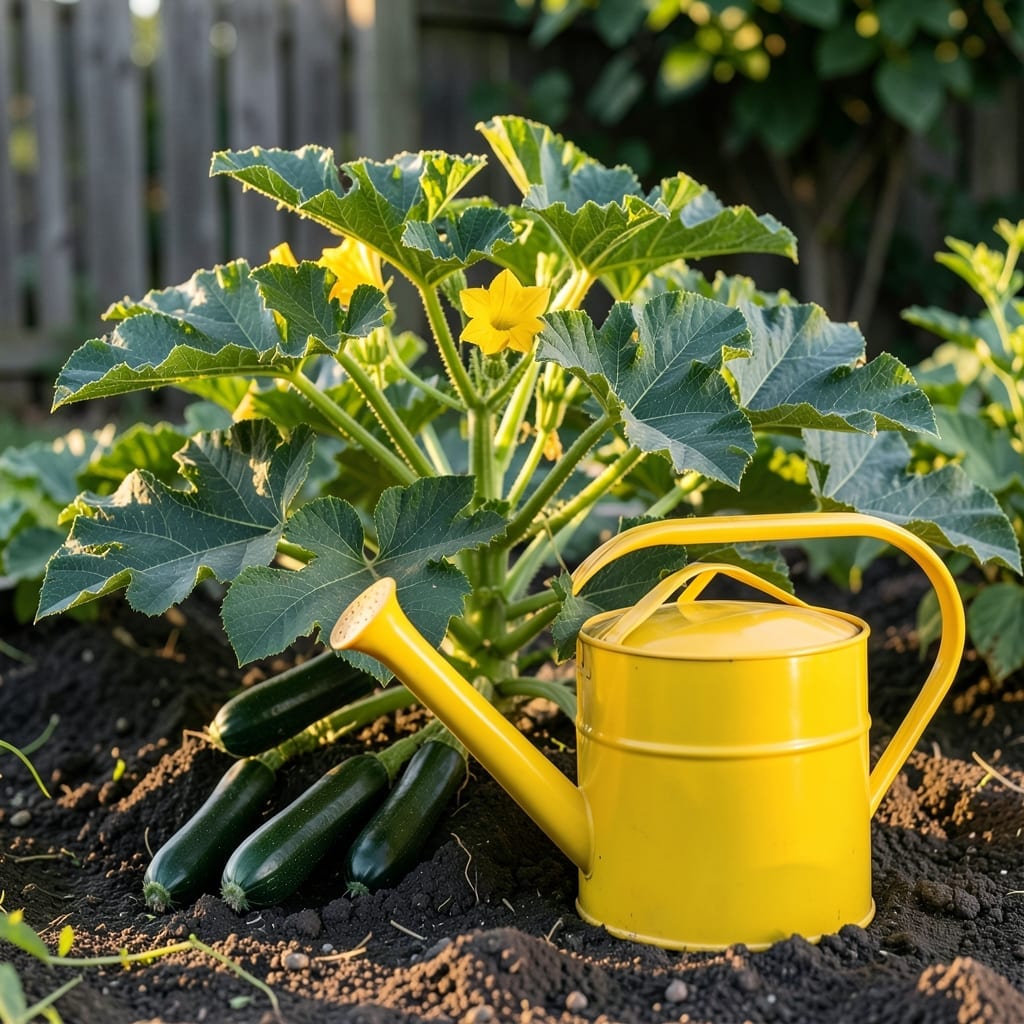
There’s nothing more frustrating than watching your 🥒 zucchini plants struggle because of inconsistent watering. I’ve been there, and it’s a common mistake that’s easily avoidable.
Getting the moisture balance right is the key to vibrant plants and a successful harvest. Too much or too little can spell disaster for your crop.
Let me walk you through the best practices for watering zucchini, so you can enjoy healthy plants and a bountiful yield all season long.
Getting your zucchini watering schedule right starts with understanding each growth phase. Seedlings need gentle, consistent moisture to establish strong roots without drowning them.
As plants mature, their water demands increase, especially during flowering and fruiting. I’ve found that adjusting my approach for each stage prevents both stress and rot.
| Growth Stage | Water Frequency | Amount | Key Tip |
|---|---|---|---|
| Seedlings | Every 2-3 days | 1 inch per week | Keep soil moist not soggy |
| Flowering | Every 5-7 days | 1-1.5 inches per week | Water at base of plant |
| Fruiting | Every 3-5 days | 1.5-2 inches per week | Increase during heat waves |
| Maturity | Every 7-10 days | 1 inch per week | Check soil moisture 2″ deep |
For seedlings, I recommend using a spray bottle or gentle watering can to avoid dislodging the delicate roots. The soil should feel like a damp sponge at all times.
During the flowering stage, your zucchini plants are building their fruit-producing infrastructure. I’ve noticed they respond well to deep watering sessions that encourage root growth downward.
The fruiting stage is when your plants are working hardest. I increase my watering frequency during this period, especially if we’re experiencing hot, dry weather in my area.
For mature plants, I’ve found that less frequent but deeper watering works best. This trains the roots to grow deeper into the soil, making the plants more drought-resistant.
Remember that these are general guidelines. Your specific needs may vary based on your soil type, climate, and planting method. I always check my soil before watering.
I use the finger test – if the top 2 inches of soil are dry, it’s time to water. This simple method has saved me from both overwatering and underwatering countless times.
In container gardens, zucchini plants often need more frequent watering as pots dry out faster. I’ve had success with daily checks during the hottest parts of summer.
🌱Recognizing watering problems early can save your zucchini plants from serious damage. I check my plants daily for subtle changes that indicate moisture issues.
Both too much and too little water stress zucchini, but they show different symptoms. Learning these signs helps me adjust my care routine effectively.
With overwatering, I notice the leaves turn yellow first, especially the older ones. The soil stays soggy, and sometimes I see mold growing on top.
For underwatering, the leaf edges get brown and crispy. The plant looks dull and limp, especially during the hottest part of the day.
I’ve found that morning watering helps prevent both issues. It gives plants time to absorb moisture before the heat of the day, reducing evaporation and fungal risks.
When I see wilting, I check the soil immediately. If it’s dry, I water deeply. If it’s soggy, I hold off and improve drainage around the plant.
🌱