
Beautiful Plants For Your Interior
Beautiful Plants For Your Interior
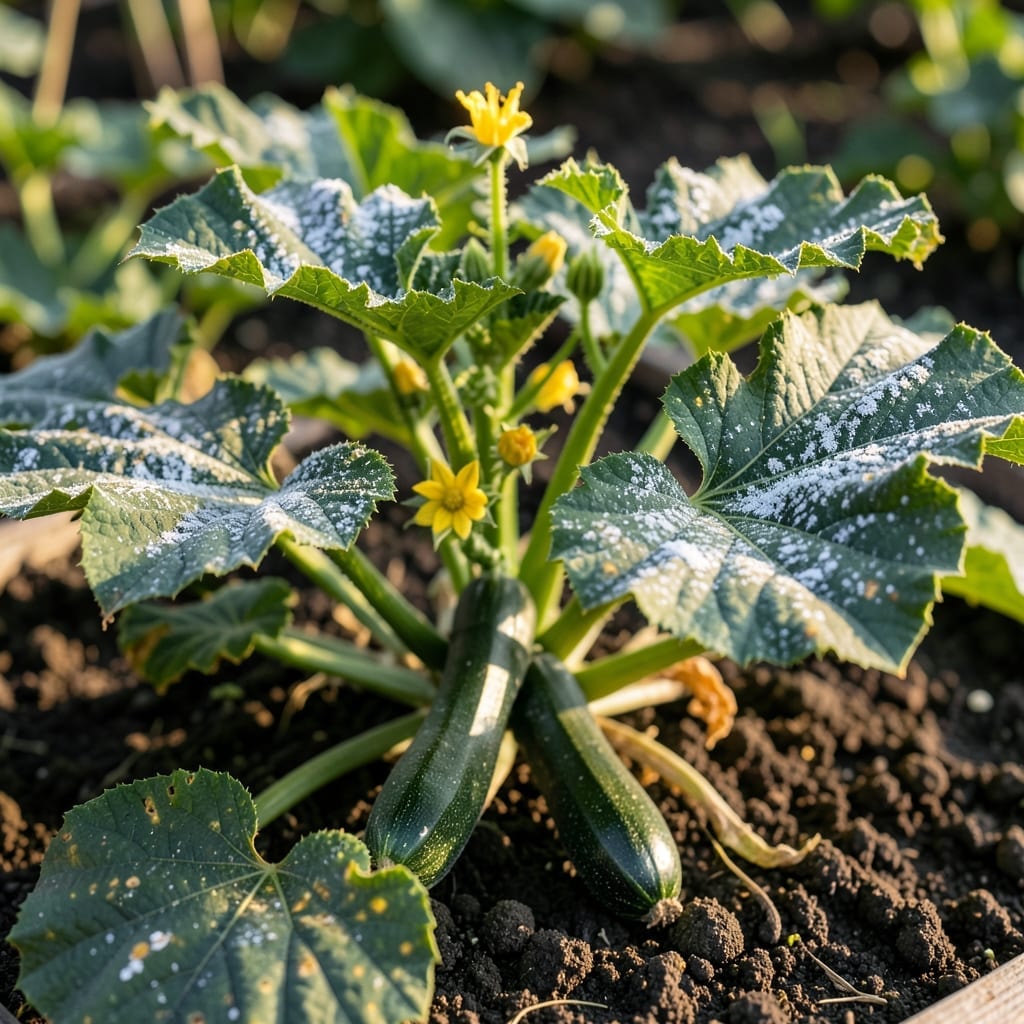
Spotted white powder on your zucchini leaves last week? I did too, and it spread faster than I expected. Fungal issues hit these plants hard, especially when humidity spikes or air can’t move between leaves.
Early signs are subtle—a few yellowing spots, white dust, or brown edges. Most gardeners miss them until it’s too late. I caught mine early by checking undersides of leaves daily during damp weather.
Good news: organic fixes work. A simple baking soda spray stopped my outbreak in 3 days. Proper spacing and morning watering prevent it from coming back.
Your plants can bounce back quickly with the right approach. Here’s how to spot trouble fast and treat it before it ruins your harvest.
Zucchini plants are susceptible to fungal infections due to a mix of environmental, biological, and cultural factors. Understanding these triggers helps you prevent outbreaks before they start. Below are the most common causes, broken down for clarity and action.
Fungi thrive in damp conditions. Overwatering, poor soil drainage, or frequent rainfall creates a perfect breeding ground for spores. When leaves stay wet for extended periods—especially in warm weather—pathogens like Powdery Mildew or Downy Mildew take hold. Water at the base of the plant early in the day to allow foliage to dry quickly.
Zucchini plants love warmth, but so do fungi. Temperatures between 60–80°F (15–27°C) combined with high humidity (above 60%) accelerate spore germination. Improve airflow by spacing plants 2–3 feet apart and pruning dense foliage to reduce stagnant, moist air pockets.
Fungal spores can overwinter in soil or on decaying plant matter. If last season’s zucchini or related crops (like squash or cucumbers) had fungal issues, the pathogens may still linger. Rotate crops and remove all plant debris after harvest to break the cycle. Solarizing soil with clear plastic for 4–6 weeks can also kill dormant spores.
Skipping simple protective measures leaves plants vulnerable. Without fungicide sprays (like copper or neem oil) or resistant varieties, even healthy zucchini can succumb. Apply organic treatments before symptoms appear, especially during wet seasons or if past infections occurred.
Tackling fungal issues on your zucchini plants starts with quick action and the right approach. Below are targeted fixes for common causes, paired with prevention tips to keep your garden thriving.
If you spot white, powdery spots on leaves, remove affected foliage immediately and dispose of it in the trash (not compost). Mix 1 tablespoon baking soda + 1 teaspoon dish soap + 1 gallon water and spray every 5–7 days until it clears. Prevention tip: 💡 Space plants 2–3 feet apart for better airflow, and water at the base to keep leaves dry.
Yellow patches on top of leaves with fuzzy gray growth underneath signal downy mildew. Apply copper-based fungicide (follow label instructions) and prune crowded leaves to improve circulation. Prevention tip: ✨ Avoid overhead watering, and use drip irrigation to reduce moisture on leaves.
Brown, water-soaked spots that spread rapidly? Remove infected plants entirely to stop the spread. Rotate crops next season—avoid planting zucchini or related veggies in the same spot. Prevention tip: 🎯 Solarize soil before planting by covering it with clear plastic for 4–6 weeks to kill fungal spores.
Wilting, yellowing, or stunted growth may mean root rot. Stop watering immediately and let the soil dry out. If the plant is in a container, repot it in fresh, well-draining soil. Prevention tip: 🌡️ Use raised beds or amend heavy soil with compost to enhance drainage.
Pro tip: Always sterilize pruning tools with rubbing alcohol between cuts to avoid spreading spores!
Check for white powdery spots, yellowing leaves, or brown edges. Often starts on lower leaves and spreads upward. Catch it early by inspecting undersides daily during wet weather.
If over 50% of leaves are affected, remove the plant to protect others. For mild cases, prune infected leaves and apply copper fungicide immediately.
Neem works well for powdery mildew but may need copper fungicide for downy mildew. Always apply in the evening to avoid leaf burn.
Rotate crops, remove all plant debris, and solarize soil for 4-6 weeks. Choose resistant varieties when possible.