
Beautiful Plants For Your Interior
Beautiful Plants For Your Interior
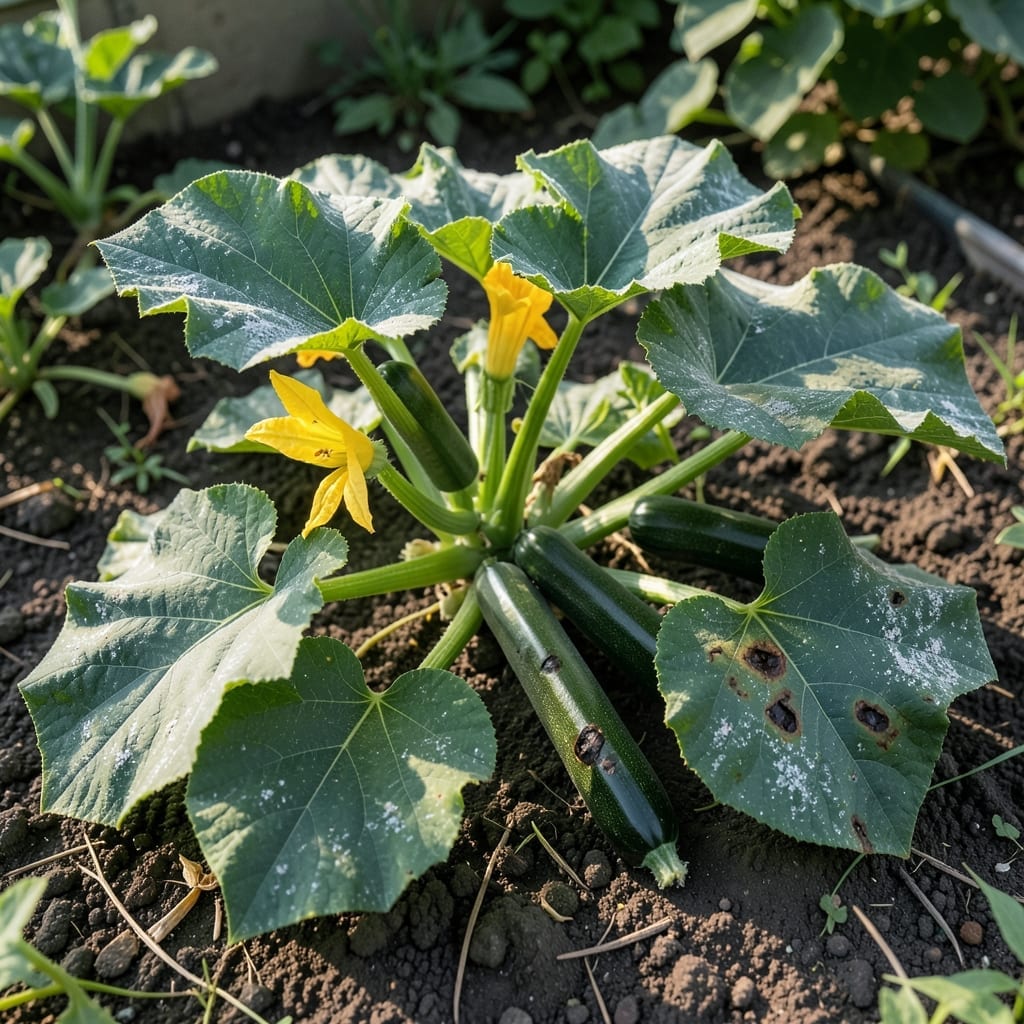
Spotted yellowing leaves or strange spots on your zucchini plants? I’ve been there, watching healthy vines turn sickly overnight. This visual guide helps you identify what’s wrong fast.
Most zucchini diseases show clear signs—powdery mildew’s white dust, bacterial wilt’s sudden collapse, or cucumber beetles leaving scars. Catching these early saves your harvest and stops the spread.
You’ll learn to match symptoms to solutions, from removing infected leaves to adjusting watering routines. No guesswork, just clear action steps.
Works for backyard gardeners and container growers alike. Let’s diagnose and fix the issue before it’s too late.
Understanding why zucchini plants fall prey to diseases is the first step in prevention. These issues often stem from a combination of environmental, biological, and cultural factors. Below are the primary causes, broken down for clarity and actionability.
Zucchini plants thrive in specific conditions, and deviations can weaken them, making them susceptible to diseases. Excessive moisture from poor drainage or overwatering creates a breeding ground for fungal pathogens like Phytophthora and powdery mildew. Conversely, drought stress weakens the plant’s defenses, inviting opportunistic infections. Temperature extremes—cool, wet springs or scorching summers—also stress the plants, reducing their ability to fend off diseases like bacterial wilt or cucumber mosaic virus.
Many zucchini diseases are caused by fungi, bacteria, or viruses that spread through direct contact, contaminated tools, or insect vectors. For example, Fusarium and Verticillium wilt are soil-borne fungi that enter through the roots, while Erwinia tracheiphila (bacterial wilt) is spread by cucumber beetles. Viruses like Cucumber Mosaic Virus (CMV) are often transmitted by aphids. Poor sanitation, such as leaving infected plant debris in the garden, can also perpetuate these pathogens season after season.
Pests don’t just damage zucchini plants directly—they also transmit diseases. Cucumber beetles, for instance, carry bacterial wilt, while aphids spread viruses like CMV. Whiteflies and squash bugs can introduce secondary infections through their feeding wounds. A proactive pest management strategy, such as row covers or neem oil sprays, can significantly reduce disease risk.
Even healthy plants can succumb to diseases if cultural practices are lacking. Overcrowding reduces airflow, promoting fungal growth like powdery mildew. Improper crop rotation allows soil-borne pathogens to accumulate. Using unsterilized seeds or tools can introduce diseases, and over-fertilization (especially with nitrogen) can lead to lush, weak growth that’s more susceptible to infection. Practicing good hygiene, rotating crops, and spacing plants properly can mitigate these risks.
Spotting zucchini diseases early is half the battle—here’s how to treat and prevent them effectively.
If white, powdery spots appear on leaves, act fast. Remove infected leaves and thin out dense foliage to boost airflow. Spray a mix of 1 tablespoon baking soda + 1 teaspoon dish soap + 1 gallon water weekly. Prevention tip: 💡 Space plants 2–3 feet apart and water at the base to keep leaves dry.
Yellow patches on top and fuzzy gray growth underneath? This fungal issue thrives in wet conditions. Apply copper-based fungicide every 7–10 days. Prevention tip: 🌡️ Use drip irrigation to avoid wetting leaves, and rotate crops yearly to break the disease cycle.
Brown eggs or adults on stems? Remove them by hand (drop in soapy water) or cover young plants with floating row covers. For severe infestations, apply neem oil in the evening. Prevention tip: ✨ Clear garden debris in fall to eliminate overwintering sites.
Striped beetles spreading bacterial wilt? Dust plants with kaolin clay as a barrier, or spray pyrethrin (organic insecticide) at dusk. Prevention tip: 🎯 Plant radishes nearby as a trap crop to lure beetles away.
Dark, sunken spots on fruit ends? This is often a calcium deficiency. Add crushed eggshells to soil or use a calcium-rich foliar spray. Prevention tip: 💧 Maintain consistent moisture—mulch helps prevent soil dry-outs that disrupt nutrient uptake.
For all issues, remove and destroy (don’t compost) severely infected plants to stop spread. Early action and good garden hygiene are your best defenses!
Yellow leaves often signal issues like powdery mildew or nutrient deficiency. Check for white powdery spots or unusual patterns. If only lower leaves yellow, it might be natural aging rather than disease.
Improve airflow by spacing plants 2-3 feet apart. Water at the base to keep leaves dry, and avoid overhead watering. Copper fungicide can help if applied early.
Unfortunately, bacterial wilt often spreads quickly. Remove infected plants immediately to protect others. Prevent it next time by controlling cucumber beetles with row covers.
This is typically blossom end rot from calcium deficiency. Add crushed eggshells to soil and maintain consistent moisture. Mulching helps prevent soil dry-outs.