
Beautiful Plants For Your Interior
Beautiful Plants For Your Interior
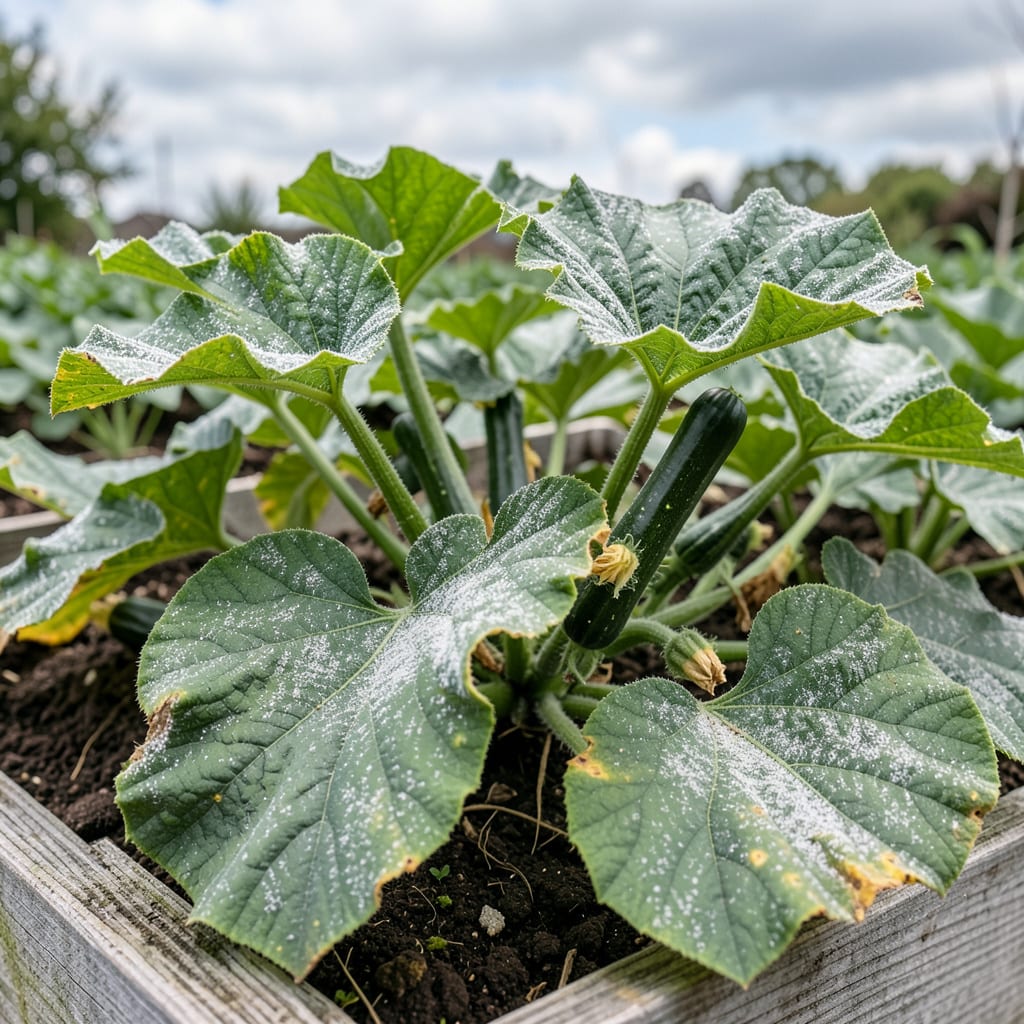
White powdery spots on your zucchini leaves mean trouble. I’ve lost entire plants to this before, but there’s a way to stop it in its tracks.
This fungal issue spreads fast in warm, humid weather. The key is catching it early and acting fast with simple, organic treatments that actually work.
You’ll see new growth return within a week of treatment if you start now. No fancy equipment—just consistency and the right approach.
Works for garden beds and containers alike. Here’s how to turn the tide before it’s too late.
Mildew on zucchini plants is typically caused by fungal pathogens, with powdery mildew and downy mildew being the most common culprits. These fungi thrive in specific environmental conditions, often exploiting weaknesses in plant health or cultural practices. Below are the primary causes:
Fungal spores flourish in humid environments (above 80% relative humidity) and stagnant air. Zucchini plants spaced too closely or grown in dense canopies trap moisture, creating ideal breeding grounds for mildew. Podosphaera xanthii (powdery mildew) and Pseudoperonospora cubensis (downy mildew) spread rapidly in these conditions, especially when leaves remain wet for extended periods.
Watering from above wets the foliage, providing the moisture fungi need to germinate and infect leaves. Unlike soil-borne pathogens, mildew spores only require surface moisture to thrive. Switching to drip irrigation or soaker hoses reduces leaf wetness and disrupts the fungal lifecycle.
Some zucchini cultivars lack genetic resistance to mildew. Heirloom or older varieties, in particular, may be more vulnerable. Modern disease-resistant hybrids (e.g., ‘Defender’ or ‘Wildcat’) are bred to fend off fungal attacks, but even these can succumb if environmental conditions are favorable for the pathogen.
Stressed plants—whether from nutrient deficiencies (especially calcium or potassium), drought, or root damage—are more susceptible to mildew. Healthy plants produce thicker cell walls and more defensive compounds, making it harder for fungi to penetrate. Over-fertilization with nitrogen can also promote lush, soft growth that’s easier for mildew to infect.
Fungal spores can overwinter in garden debris, soil, or on unsterilized tools. Using contaminated pruners or failing to rotate crops (avoiding planting cucurbits in the same spot yearly) can reintroduce mildew to new plants. Sanitizing tools with a 10% bleach solution and removing infected plant debris reduces this risk.
Mildew on your zucchini plants can be frustrating, but these practical fixes will help you restore plant health and prevent future outbreaks. Below, find targeted solutions for each type of mildew, plus prevention tips to keep your garden thriving. 🌱
Prevention tip 💡: Water at the base of the plant in the morning to give leaves time to dry before evening.
Prevention tip 💡: Rotate crops yearly to prevent fungal buildup in the soil.
With consistent care and quick action, your zucchini plants can bounce back from mildew and produce healthy, abundant harvests! 🌟
If over 50% of the plant is infected, it’s best to remove it to protect others. For less severe cases, prune affected leaves and apply treatments immediately. Early action can restore health within 1-2 weeks.
Yes, mildew spores can travel via wind or water to nearby susceptible plants, especially other cucurbits. Isolate infected plants and avoid overhead watering to contain the spread.
For baking soda or neem oil solutions, reapply every 5-7 days or after rain. Consistency is key—stopping too soon allows mildew to return. Check leaves in morning light for best visibility.
