
Beautiful Plants For Your Interior
Beautiful Plants For Your Interior
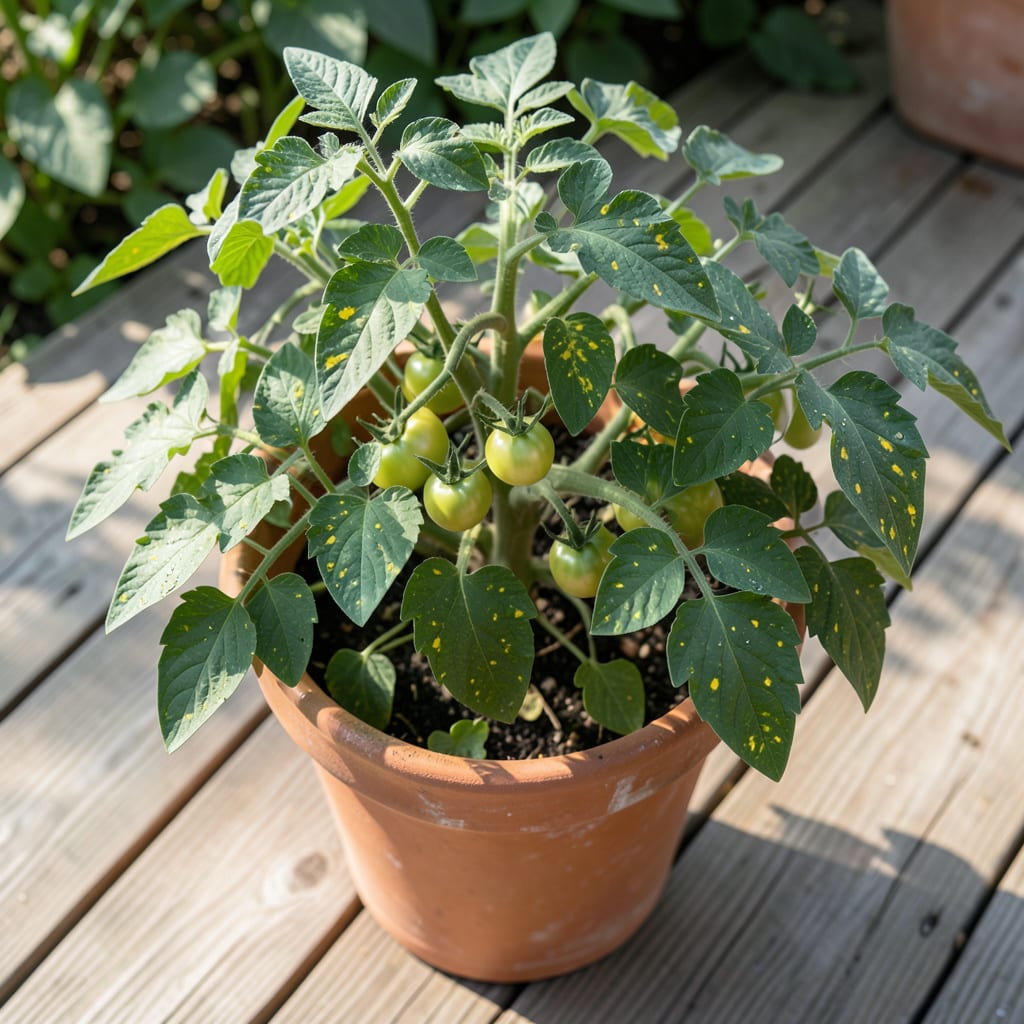
Yellow spots on tomato leaves always send a jolt of panic through me. 🌿 That first discolored patch means something’s off, but the good news? Most causes are fixable if you catch them early.
I’ve seen this happen with overwatering, fungal infections, and even nutrient imbalances. The pattern of the spots—size, edges, location—tells you exactly what you’re dealing with. A little detective work saves the whole plant.
Once you pinpoint the issue, solutions range from adjusting watering schedules to applying organic fungicides. Most fixes show improvement within 3-5 days if you act fast.
Prevention is simpler than you’d think: consistent watering, good air circulation, and regular leaf checks. Here’s how to diagnose and treat it properly.
Yellow spots on tomato leaves often signal underlying issues that disrupt chlorophyll production or cell integrity. Here are the most common causes, explained scientifically and actionably:
Early blight (Alternaria solani) and septoria leaf spot (Septoria lycopersici) thrive in warm, humid conditions. These fungi produce toxins that damage leaf tissues, creating circular yellow or brown spots with dark edges. Spores spread via water splashes, so remove infected leaves immediately and improve airflow.
Bacterial leaf spot (Pseudomonas syringae) causes small, water-soaked yellow spots that later turn brown. Bacteria enter through wounds or stomata, multiplying rapidly in wet conditions. Copper-based sprays can suppress spread, but avoid overhead watering to prevent further infection.
Spider mites and aphids pierce leaf cells to feed, draining sap and leaving behind yellow stippling or spots. Their saliva may also introduce pathogens. Check leaf undersides for webbing or tiny insects, and treat with insecticidal soap or neem oil.
Magnesium or potassium deficiencies cause interveinal yellowing (spots between veins). Magnesium is mobile, so older leaves show symptoms first. Test soil pH (ideal: 6.0–6.8) and amend with Epsom salt (magnesium sulfate) or potassium-rich compost.
Excessive sunlight (sunscald) or herbicide drift (e.g., 2,4-D) can create irregular yellow patches. Sunscald occurs when leaves overheat; provide shade cloth during peak hours. Herbicide damage is irreversible, so avoid spraying near tomatoes on windy days.
Addressing yellow spots on tomato leaves starts with pinpointing the cause. Below are practical fixes tailored to common issues, along with prevention tips to keep your plants thriving.
If yellow spots are due to a lack of magnesium or nitrogen, amend the soil with:
Prevention tip 💡: Test soil annually and rotate crops to avoid depletion.
Let the top inch of soil dry between waterings. Ensure pots have drainage holes, and for garden beds, mix in perlite or sand to improve drainage.
Prevention tip 🌡️: Use a moisture meter to avoid guesswork—water only when needed.
For early blight or septoria leaf spot:
Prevention tip ✨: Mulch with straw to prevent soil splashing onto leaves.
Spider mites and aphids cause yellow stippling. Blast them off with water or use:
Prevention tip 🎯: Introduce beneficial insects like ladybugs to keep pests in check.
Check the undersides of leaves for tiny insects or webbing, which indicate pests. Disease spots usually have distinct edges or patterns, like concentric rings. Pests cause stippling, while diseases create defined patches.
Yes, overwatering leads to root rot, which restricts nutrient uptake and causes yellowing. Let the top 1 inch of soil dry between waterings. Poor drainage worsens the issue, so ensure pots have holes.
If caused by fungal or bacterial infections, yes. Remove infected leaves immediately and avoid touching healthy plants afterward. Clean pruning tools with rubbing alcohol to prevent spreading.
For magnesium, use 1 tablespoon of Epsom salt per gallon of water as a foliar spray. Results appear within 3-5 days. For other deficiencies, a balanced fertilizer works quickly.
