
Beautiful Plants For Your Interior
Beautiful Plants For Your Interior
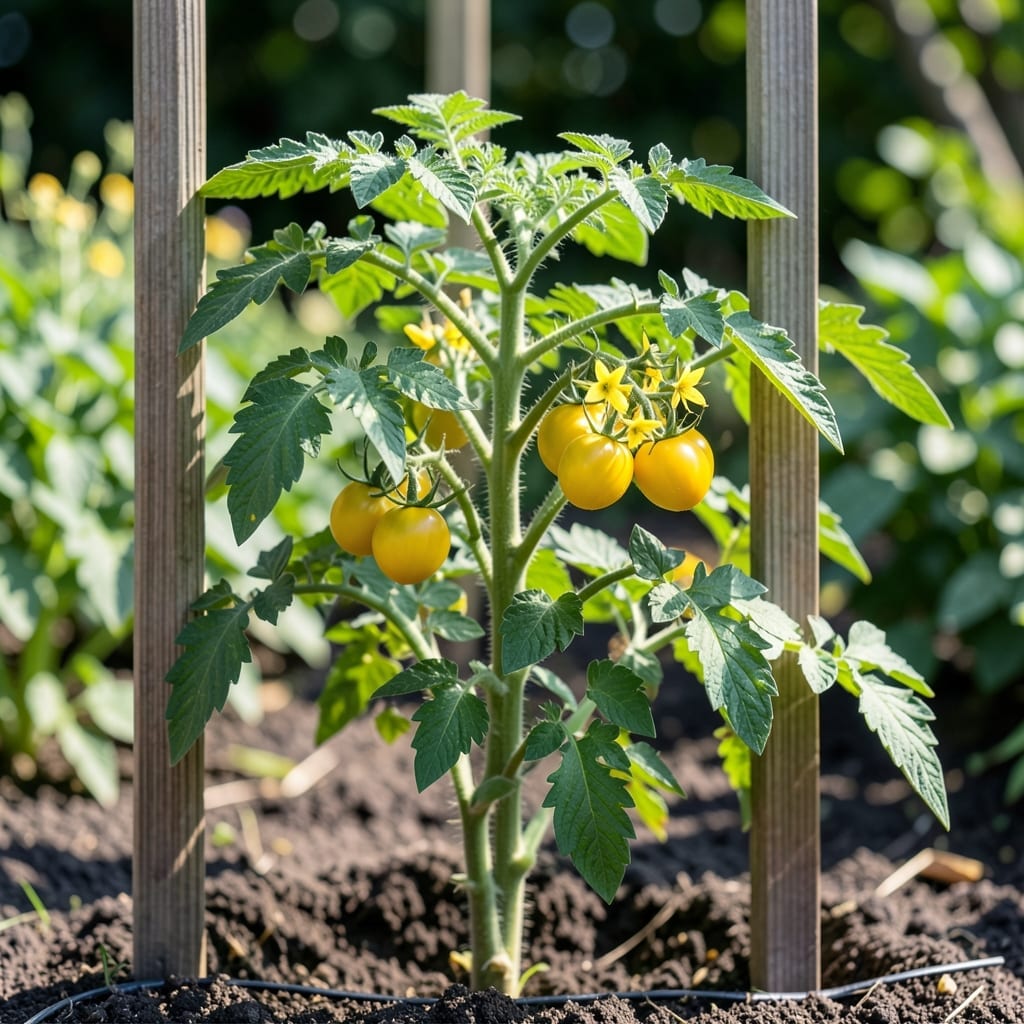
My first Yellow Taxi plant produced more fruit than I could eat. This compact variety packs serious flavor into a small space, perfect for patios and balconies.
I was skeptical about a yellow tomato at first, but the sweet, tangy taste won me over immediately. The plants stay manageable at 3-4 feet tall, yet each one yields dozens of bright, 1-inch fruits.
They thrive in containers or garden beds with full sun and consistent water. The flavor intensifies as they ripen, making them a favorite for fresh eating.
What surprised me most was their disease resistance. Even in humid summers, these plants stay healthy with minimal fuss.
The Yellow Taxi Tomato is a compact, flavorful variety, but even this hardy plant can show signs of stress or disease. Understanding the root causes helps gardeners act fast to save their crop. Below are the most common reasons why discoloration or other issues may appear.
Extreme temperatures, especially heat above 90°F (32°C) or cold snaps below 50°F (10°C), can cause yellowing or stunted growth. Tomatoes thrive in consistent warmth (70–85°F / 21–29°C). Sudden temperature swings disrupt chlorophyll production, leading to pale or yellow leaves. Action: Use shade cloth in heatwaves or row covers for cold protection.
Overwatering or underwatering triggers stress responses. Too much water suffocates roots, reducing nutrient uptake, while drought causes leaves to wilt and yellow. Yellow Taxi plants need 1–2 inches of water weekly, adjusted for rainfall. Action: Check soil moisture 1–2 inches deep—water only if dry. Ensure pots have drainage holes.
Nitrogen deficiency often turns lower leaves yellow, while magnesium or iron shortages cause interveinal chlorosis (yellowing between leaf veins). Compact varieties like Yellow Taxi may exhaust soil nutrients faster. Action: Test soil and amend with balanced fertilizer (10-10-10) or Epsom salt for magnesium.
Aphids, whiteflies, or fungal infections (e.g., early blight) can weaken plants, leading to yellowing. These pests sap nutrients or damage foliage, reducing photosynthesis. Action: Inspect undersides of leaves weekly. Use neem oil for pests or copper fungicide for diseases.
When your compact Yellow Taxi tomato plants show signs of trouble, quick action can save your harvest. Below are targeted fixes for common problems, paired with prevention tips to keep your garden thriving.
If leaves turn yellow, test soil moisture—overwatering or drought can both cause this. Adjust your watering schedule to keep soil consistently moist but not soggy. A balanced fertilizer (10-10-10) can replenish missing nutrients. For prevention, mulch around the base to retain moisture and reduce stress.
Pro tip 💡: Use a soil pH tester—tomatoes prefer a slightly acidic range (6.0–6.8).
Aphids, hornworms, or whiteflies? Blast them off with a strong water spray, or apply neem oil or insecticidal soap at dusk. For slugs, set up beer traps or copper tape barriers. Prevent future infestations by companion planting with basil or marigolds, which repel pests naturally.
Dark spots or powdery mildew? Remove infected leaves immediately and avoid overhead watering. Apply a baking soda spray (1 tsp baking soda + 1 quart water + a drop of dish soap) weekly. To prevent recurrence, space plants 2–3 feet apart for better airflow and water at the base in the morning.
Pro tip 🌡️: Rotate crops yearly to disrupt fungal cycles in the soil.
Leggy or slow-growing plants often lack sunlight or nutrients. Relocate pots to a sunnier spot (6–8 hours of light daily) or supplement with grow lights. Mix compost or worm castings into the soil for a nutrient boost. Prevent this by starting seeds indoors early in cooler climates.
Pro tip ✨: Use a heat mat to encourage stronger root development in seedlings.
They typically reach 3-4 feet tall, making them perfect for containers or small gardens. Their compact size doesn’t sacrifice yield—expect dozens of bright, 1-inch fruits per plant.
Keep soil consistently moist but not soggy. Water at the base in the morning to prevent fungal issues. Aim for 1-2 inches per week, adjusting for rainfall.
While they’re bushy and compact, providing a small cage or stake helps support the fruit-laden branches. This prevents breakage and keeps your harvest clean.
Pick when fruits turn fully yellow and feel slightly soft to the touch. They’ll continue ripening off the vine if picked early, but flavor is best when allowed to ripen naturally.