
Beautiful Plants For Your Interior
Beautiful Plants For Your Interior
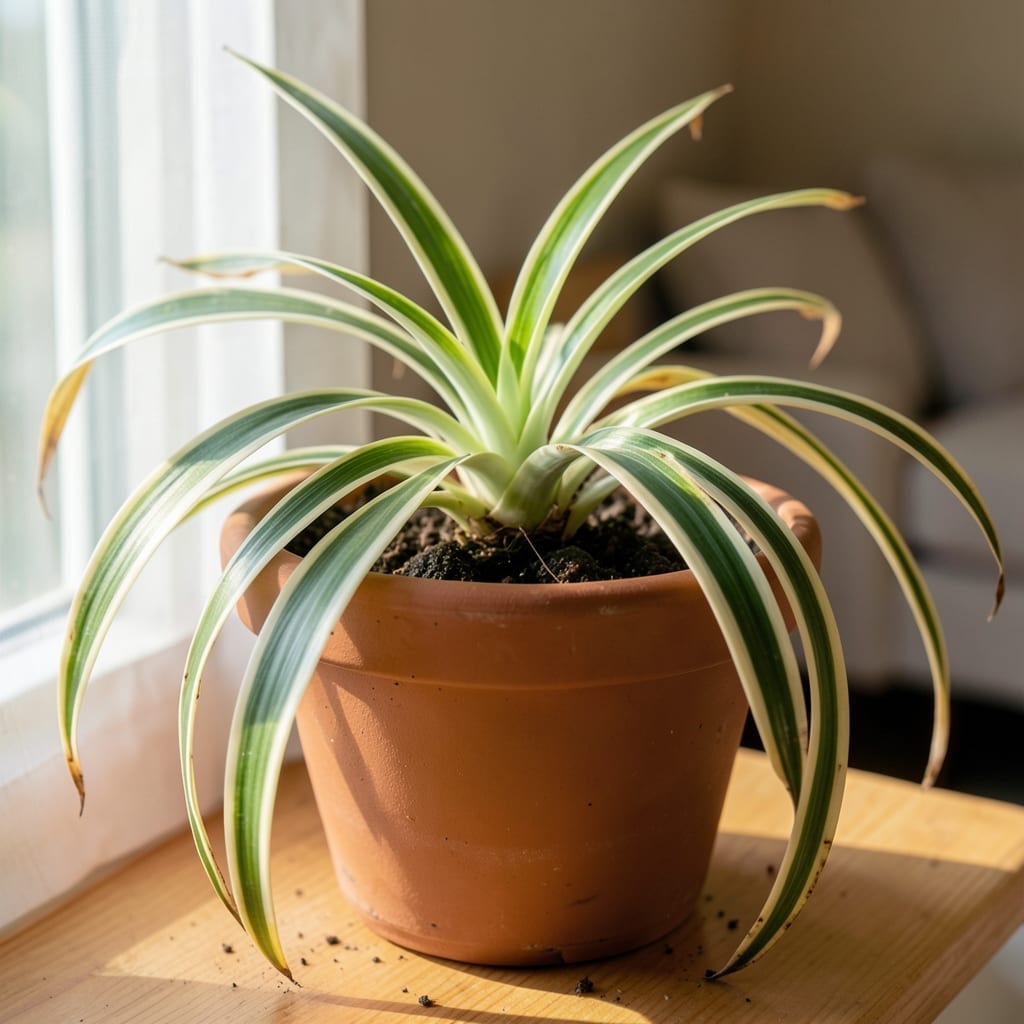
Those yellow and brown tips on your plants aren’t just ugly—they’re a cry for help. I’ve seen this exact pattern ruin perfectly good foliage overnight, and the fix is usually simpler than you’d think.
Most cases come down to three culprits: too much water, not enough nutrients, or roots that can’t breathe. The good news? Once you identify which one it is, recovery can start within 24-48 hours.
You’ll notice new growth looking healthier almost immediately after adjusting your care. The discolored tips won’t regrow, but the rest of the plant can bounce back completely.
Works for houseplants, garden beds, or container plants. Let’s figure out what your plants are trying to tell you.
Yellow and brown tips on plants are often a sign of underlying stress. Below are the most common causes, explained with actionable insights.
Excess water suffocates roots, reducing oxygen uptake and causing root rot. This impairs nutrient absorption, leading to chlorosis (yellowing) and necrosis (browning) at leaf tips. Fix: Ensure pots have drainage holes and water only when the top 1-2 inches of soil are dry.
Lack of key nutrients like nitrogen, potassium, or magnesium triggers discoloration. Nitrogen deficiency causes uniform yellowing, while potassium shortage leads to brown, crispy edges. Fix: Use a balanced fertilizer or amend soil with compost for organic nutrients.
Too much direct sunlight (scalding) or low humidity can burn leaf tips, turning them brown. Conversely, insufficient light causes yellowing due to chlorophyll breakdown. Fix: Adjust plant placement to match its light needs and mist leaves to boost humidity.
Over-fertilization or tap water high in salts (e.g., chlorine, fluoride) leads to salt burn, where tips turn brown and crisp. Fix: Flush soil with distilled water monthly to remove excess salts, and use filtered water for sensitive plants.
Sap-sucking pests (e.g., spider mites, aphids) or fungal infections (e.g., leaf spot) weaken plants, causing yellow halos and brown tips. Fix: Inspect leaves regularly, treat with neem oil, and prune affected areas to prevent spread.
Addressing yellow and brown tips on plants starts with identifying the root cause. Below are targeted fixes for common issues, along with prevention tips to keep your plants thriving.
Fix: Let the soil dry out between waterings. Repot the plant in fresh, well-draining soil if the roots are waterlogged or rotting. Use pots with drainage holes to prevent excess moisture buildup.
Prevention: Water only when the top 1-2 inches of soil feel dry. Consider using a moisture meter for accuracy. 💡
Fix: Give the plant a thorough drink until water runs out the drainage holes. For humidity-loving plants, mist the leaves or place a tray of water with pebbles nearby.
Prevention: Establish a consistent watering schedule and group plants together to raise humidity levels naturally. ✨
Fix: Use a balanced, water-soluble fertilizer to replenish missing nutrients. For specific deficiencies (e.g., nitrogen for yellowing, potassium for brown tips), choose a targeted formula.
Prevention: Fertilize regularly during the growing season (spring and summer) but reduce or stop in fall and winter when plants are dormant. 🎯
Fix: Move the plant away from direct heat sources, drafts, or extreme temperature fluctuations. Ensure it receives the right amount of light for its species.
Prevention: Research your plant’s ideal conditions and place it in a stable environment. Keep it away from vents, radiators, or cold windows. 🌡️
Fix: Wipe leaves with a damp cloth to remove pests like spider mites or aphids. Use insecticidal soap or neem oil for severe infestations, following label instructions.
Prevention: Inspect new plants before bringing them home and isolate them for a few weeks. Regularly clean leaves to deter pests. 🔍
Yes, too much water suffocates roots, preventing nutrient uptake. This often leads to brown, crispy tips despite the soil being wet. Always check soil moisture before watering.
Nutrient deficiencies often start with yellowing between leaf veins or brown edges. A soil test can confirm, but a balanced fertilizer usually helps if the problem is deficiency-related.
Trimming brown tips won’t fix the underlying issue but improves appearance. Focus on correcting care conditions first, then prune damaged areas with clean scissors.
Yes, chemicals like chlorine and fluoride in tap water can build up and burn leaf tips. Use filtered or distilled water for sensitive plants to prevent this.