
Beautiful Plants For Your Interior
Beautiful Plants For Your Interior
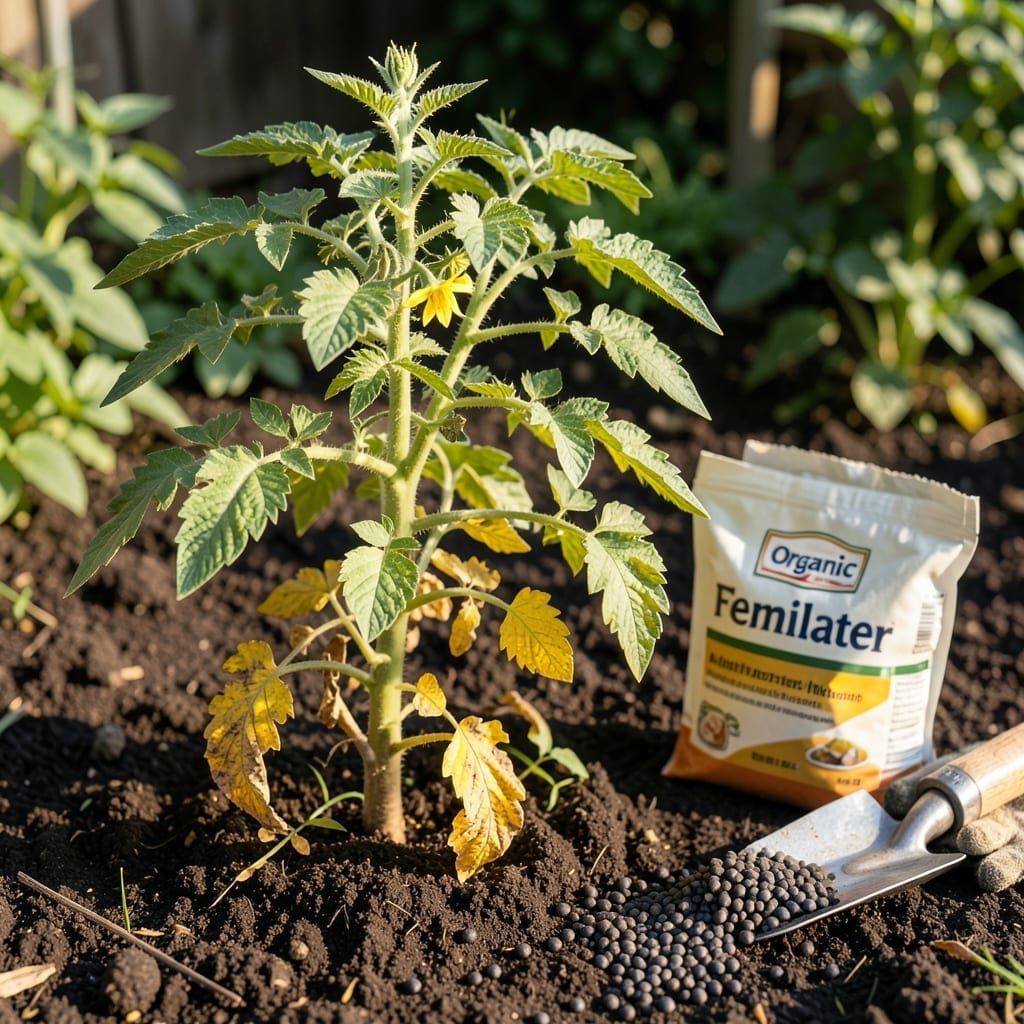
Yellow leaves at the bottom of your plants? That’s the first red flag. I’ve seen nitrogen deficiency turn vibrant green gardens into sad, stunted patches overnight.
This issue hits fast, especially in heavy-feeding crops like corn or tomatoes. The good news: organic fixes work in days, not weeks. You just need to act before growth slows permanently.
I’ve tested blood meal, compost tea, and even grass clippings—some work faster, others last longer. The right approach depends on your soil and how badly the plants are struggling.
By next week, you’ll see new growth turn dark green again. Here’s how to get there without chemicals.
Nitrogen deficiency in plants often stems from a mix of environmental, biological, and cultural factors. Below are the most common causes, each with a scientific basis to help you diagnose and address the issue effectively.
Soils lacking organic matter or with a low cation exchange capacity (CEC) struggle to retain nitrogen. Sandy soils, for example, drain quickly, leaching nitrogen away before roots can absorb it. Conversely, compacted or waterlogged soils restrict root growth, limiting nitrogen uptake even if the nutrient is present.
Nitrogen is highly mobile in soil and dissolves easily in water. Excessive irrigation washes nitrogen deep into the soil profile, beyond the root zone. Meanwhile, drought conditions slow microbial activity, which is critical for converting organic nitrogen into plant-available forms like nitrate (NO₃⁻) and ammonium (NH₄⁺).
Organic matter (e.g., compost, manure, or decaying plant material) is a primary source of nitrogen in natural systems. Without it, beneficial microbes—responsible for nitrification (the conversion of ammonia to nitrates)—starve, disrupting the nitrogen cycle. Soils with <1% organic matter often exhibit chronic nitrogen deficiency.
Soil pH dramatically affects nitrogen availability. In highly acidic (pH < 5.5) or alkaline (pH > 7.5) soils, microbial activity slows, and nitrogen fixation by legumes (via Rhizobia bacteria) is inhibited. The ideal pH range for nitrogen uptake is 6.0–7.0.
Plants like corn, grasses, and leafy greens are heavy nitrogen feeders. When grown in close proximity or in succession without replenishment, they deplete soil nitrogen reserves. Additionally, weeds compete aggressively for available nitrogen, starving cultivated plants.
While synthetic nitrogen fertilizers (e.g., urea or ammonium sulfate) provide a quick fix, overapplication can disrupt soil ecology. It may suppress microbial populations, lead to nitrogen runoff, or cause ammonia toxicity in high-pH soils, further stressing plants.
Nitrogen deficiency in plants is fixable with the right approach. Below are targeted solutions based on common causes, along with prevention tips to keep your plants thriving.
If your soil lacks nitrogen, add organic matter like compost, well-rotted manure, or worm castings. These naturally boost nitrogen levels. For a quick fix, use blood meal or fish emulsion, following package instructions. Prevention tip: 💡 Test soil annually and amend before planting.
Excess phosphorus or potassium can block nitrogen uptake. Switch to a balanced fertilizer (e.g., 10-10-10) or a nitrogen-rich option like 20-10-10. Avoid over-fertilizing, which can harm roots. Prevention tip: ✨ Rotate crops to prevent soil depletion.
Waterlogged soil suffocates roots, reducing nitrogen absorption. Improve drainage by adding perlite or sand. Water only when the top inch of soil is dry. Prevention tip: 🌡️ Use a moisture meter to avoid overwatering.
Heavy feeders like corn or leafy greens may need extra nitrogen. Apply a side dressing of compost or a liquid nitrogen fertilizer every 3-4 weeks during growth. Prevention tip: 🎯 Plant nitrogen-fixing crops (e.g., beans, peas) nearby to enrich the soil naturally.
Compacted soil limits root access to nitrogen. Loosen the soil gently with a fork and mix in organic material. For potted plants, repot with fresh, nitrogen-rich soil. Prevention tip: ⏰ Refresh container soil every 1-2 years.
Yellowing leaves at the bottom of the plant are the earliest clue. This starts with older leaves first, as nitrogen is mobile and moves to new growth. Stunted growth often follows within 7-10 days if untreated.
Leafy greens like lettuce and spinach, along with corn and grasses, are heavy feeders. These require consistent nitrogen for rapid growth. Fruit-bearing plants also benefit but need balanced nutrients.
With organic fixes like compost tea, you’ll see improvement in 3-5 days. New growth turns dark green first. Full recovery takes 2-3 weeks depending on severity.
Yes, too much nitrogen causes excessive leafy growth with weak stems. It can also burn roots and harm soil microbes. Always follow package instructions and test soil first.