
Beautiful Plants For Your Interior
Beautiful Plants For Your Interior
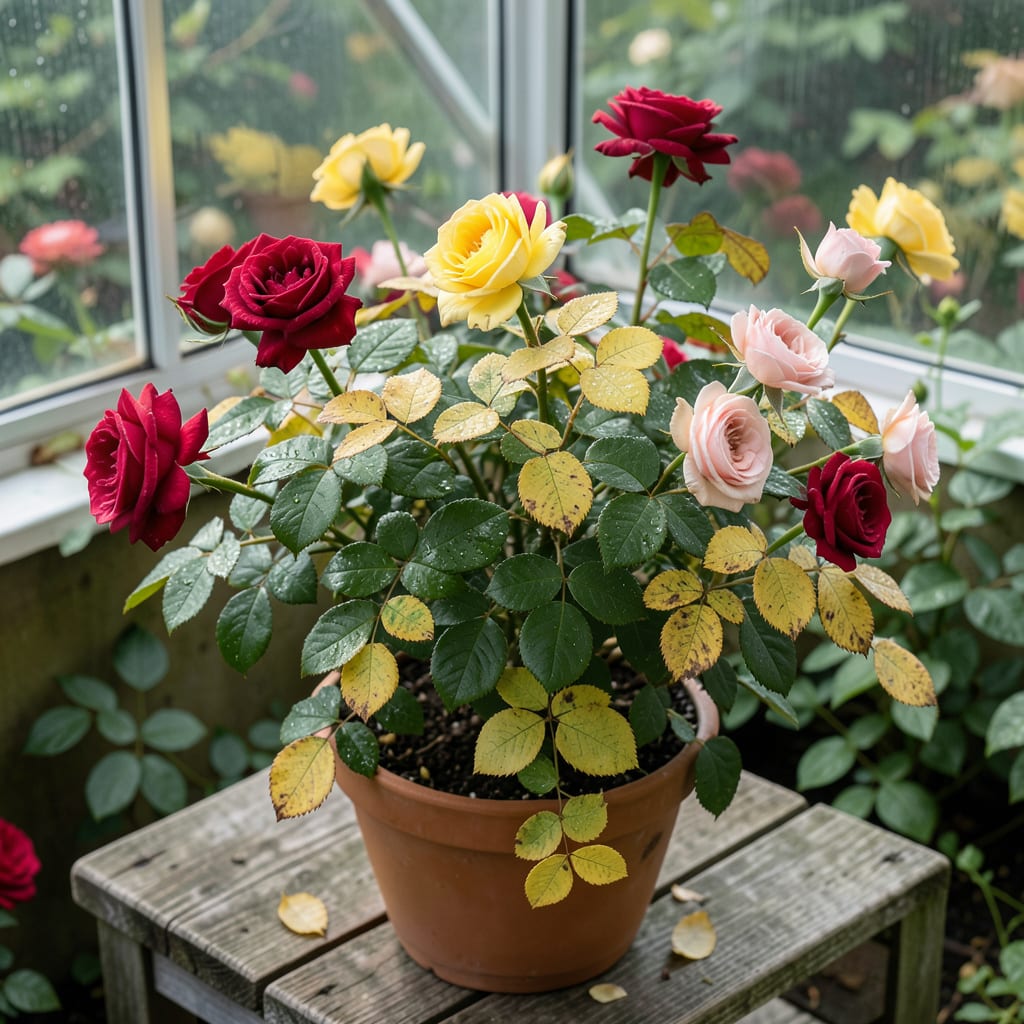
Yellow leaves on your roses aren’t just unsightly—they’re a distress signal. I’ve seen entire bushes turn pale overnight, and the culprit is usually hiding in plain sight: water stress, hungry soil, or a pH level that’s way off balance.
Most gardeners jump to pests or disease, but 90% of the time it’s simpler than that. Too much water, not enough, or nutrients locked in soil that’s too alkaline. The fix often starts with a 5-minute soil test and adjusting your watering routine.
Once you nail the basics, your roses bounce back fast. Dark green leaves return, blooms multiply, and that embarrassed “what did I do wrong?” feeling disappears. The solution is cheaper than you think—often just a pH adjustment or better drainage.
Works for all rose types, from climbers to shrubs. Here’s how to diagnose and fix it for good.
Yellowing leaves on roses, or chlorosis, often signal an underlying issue disrupting the plant’s health. Here’s a breakdown of the most common causes and their scientific mechanisms:
Roses require a balanced diet of nitrogen, magnesium, and iron. A lack of nitrogen slows chlorophyll production, turning older leaves yellow first. Magnesium deficiency (often due to sandy or acidic soil) causes interveinal chlorosis—yellowing between leaf veins. Iron deficiency, frequent in alkaline soils (pH > 7.0), blocks chlorophyll synthesis, with younger leaves yellowing first while veins stay green.
Overwatering suffocates roots, reducing oxygen uptake and hindering nutrient absorption. This triggers leaf yellowing, often accompanied by wilting or blackened stems. Conversely, underwatering stresses the plant, causing leaves to turn yellow and crisp as cells die from dehydration. Roses need 1–2 inches of water weekly, adjusted for rainfall and soil drainage.
Pathogens like Verticillium or Fusarium wilt block the xylem, disrupting water and nutrient flow. Leaves yellow in patches, often with brown edges or spots. Bacterial leaf scorch (Xylella fastidiosa) causes marginal yellowing followed by necrosis. These thrive in poorly drained soil or high humidity.
Excessive heat or cold disrupts photosynthesis. High temperatures accelerate water loss, leading to yellowing, while frost damage collapses cell structures. Full sun (6+ hours) is ideal, but afternoon shade in hot climates prevents scorching. Sudden temperature swings can also shock the plant, triggering leaf discoloration.
Roses prefer a slightly acidic to neutral pH (6.0–6.5). Outside this range, nutrients like iron, manganese, and phosphorus become unavailable. Alkaline soils (pH > 7.0) lock out iron, causing yellowing, while highly acidic soils (pH < 5.5) may leach essential nutrients. A soil test confirms the issue.
Once you’ve identified the cause, these targeted fixes will help restore your roses’ vibrant green leaves. Act quickly to prevent further stress and encourage healthy growth.
If yellowing starts with older leaves, your roses likely need nitrogen. Use a balanced rose fertilizer (10-10-10 or 12-4-8) and apply every 4-6 weeks during growing season. For iron or magnesium deficiencies (yellowing between veins), try chelated iron supplements or Epsom salt (1 tablespoon per gallon of water, sprayed on leaves). Prevention tip: 💡 Test soil annually and amend with compost for long-term nutrient balance.
For overwatered roses, let the top 2-3 inches of soil dry out before watering again. Improve drainage by mixing in perlite or sand. If underwatering is the issue, water deeply (1-2 inches per week) at the base—avoid wetting leaves to prevent fungal issues. Prevention tip: ✨ Use a moisture meter or the finger test (stick your finger in soil—if dry at 2 inches, it’s time to water).
Spider mites and aphids suck sap, causing yellow stippling. Blast them off with water or apply neem oil (mix 1 tbsp oil + 1 tsp dish soap per gallon of water) every 5-7 days. For severe cases, use insecticidal soap. Prevention tip: 🎯 Encourage ladybugs and lacewings—natural predators—by planting companion flowers like marigolds.
Black spot or powdery mildew thrive in damp conditions. Remove infected leaves and apply baking soda spray (1 tbsp baking soda + 1 tsp oil + 1 gallon water) weekly. Space plants 3-4 feet apart for better airflow. Prevention tip: 🌡️ Water early in the day so leaves dry quickly, and avoid overhead watering.
Roses prefer slightly acidic soil (pH 6.0-6.5). Test with a pH kit—if too alkaline (above 7.0), add sulfur or peat moss. If too acidic (below 6.0), mix in lime. Prevention tip: 🔥 Retest soil every 2-3 years, as pH can shift over time.
Roses need 1-2 inches of water weekly. Water deeply at the base, allowing the top 2-3 inches of soil to dry between waterings. Avoid wetting leaves to prevent fungal issues.
Yes, especially nitrogen, iron, or magnesium shortages. Older leaves yellow first with nitrogen deficiency, while iron deficiency affects younger leaves. A soil test can confirm the issue.
Roses thrive in slightly acidic to neutral soil (pH 6.0-6.5). Outside this range, nutrients become locked up. Use a pH kit and amend with sulfur or lime as needed.
Spider mites and aphids can turn leaves yellow by sucking sap. Check undersides for pests and treat with neem oil or insecticidal soap if found.
