
Beautiful Plants For Your Interior
Beautiful Plants For Your Interior
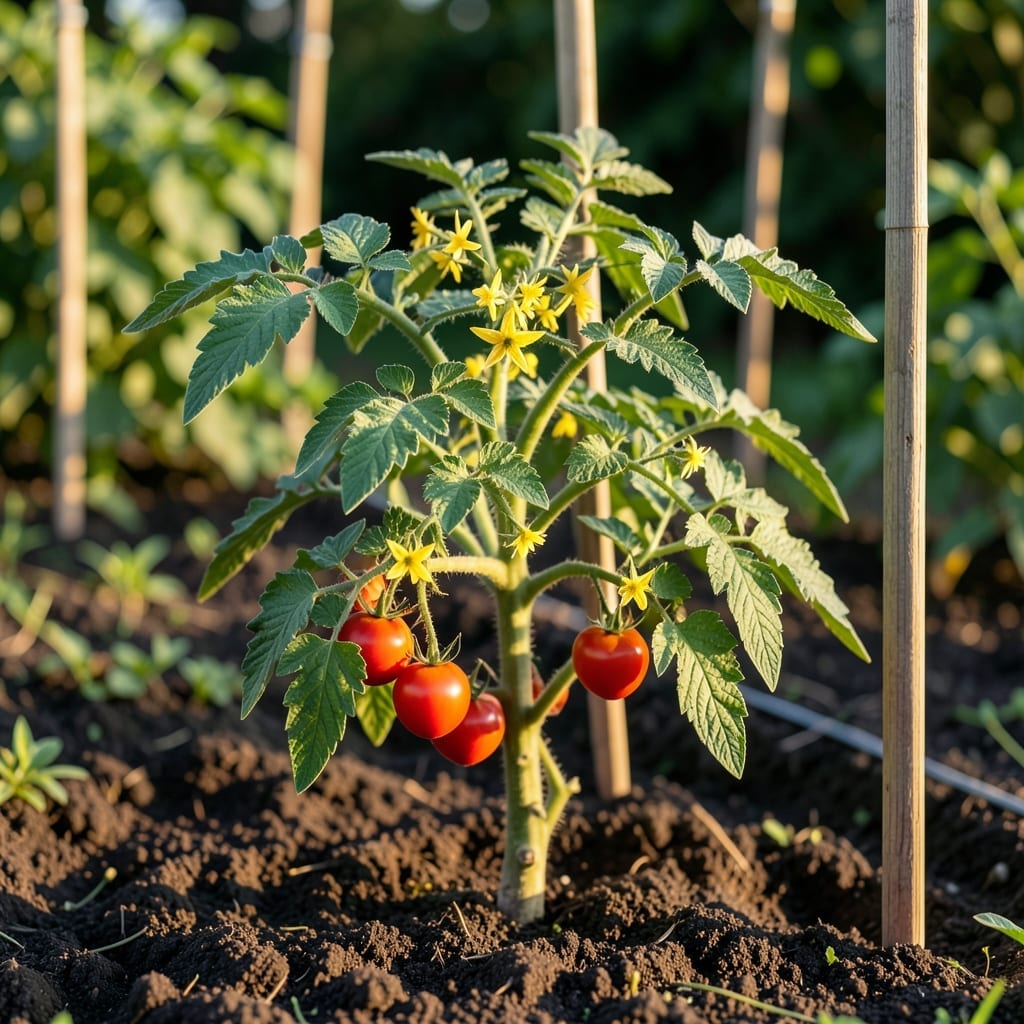
Nothing frustrates like watching your tomato plant sit still while others shoot up. Three seasons ago, mine did the same—until I discovered the soil was starving them of what they needed.
Most growth problems trace back to simple fixes: the wrong pH locking out nutrients, inconsistent watering, or roots gasping for air in compacted dirt. I’ve fixed every one of these in my own garden.
Within 2 weeks of adjusting soil conditions, you’ll see new growth. The leaves turn deeper green, stems thicken, and suddenly you’re measuring daily progress in inches, not millimeters.
Solutions don’t require fancy equipment—just a pH test kit, some compost, and a willingness to get your hands dirty. Let’s diagnose what’s holding yours back.
Tomato plants can struggle for several key reasons, often tied to their growing conditions. Here are the most common culprits:
Tomatoes thrive in well-draining, nutrient-rich soil with a pH between 6.0 and 6.8. If your soil is too compacted, sandy, or lacks organic matter, roots can’t access water, air, or essential nutrients like nitrogen (N), phosphorus (P), and potassium (K). A soil test can reveal deficiencies or imbalances.
Tomatoes need 6–8 hours of direct sunlight daily and warm temperatures (70–85°F during the day, above 55°F at night). Shade, cold snaps, or overheating (above 90°F) can stall growth. Check your plant’s location and consider row covers or shade cloth if extremes are an issue.
Both overwatering and underwatering stress tomato plants. Inconsistent moisture leads to blossom end rot (calcium deficiency) or root rot. Aim for 1–2 inches of water per week, delivered at the base (not leaves) to prevent disease. Use mulch to retain soil moisture.
Common pests like aphids, whiteflies, or hornworms sap nutrients from leaves and stems, while fungal diseases (e.g., early blight) damage foliage. Inspect plants regularly and treat with neem oil or insecticidal soap at the first sign of trouble.
Too much nitrogen promotes leafy growth but reduces fruiting. A lack of phosphorus stunts root development, while potassium shortages weaken disease resistance. Use a balanced fertilizer (e.g., 10-10-10) or organic amendments like compost or bone meal to correct deficiencies.
If your tomato plant isn’t thriving, the solution often lies in adjusting its growing conditions. Below are practical fixes for common issues, along with prevention tips to keep your plants healthy.
Tomatoes need nutrient-rich, well-draining soil. Mix in compost or aged manure to improve fertility. For clay or sandy soil, add peat moss or coconut coir to enhance texture. Prevention tip: Test your soil annually and refresh it with organic matter before planting. 💡
Tomatoes need consistent moisture—about 1–2 inches per week. Water deeply at the base (avoid wetting leaves) and use mulch to retain moisture. If the soil is soggy, improve drainage with raised beds or perlite. Prevention tip: Use a moisture meter to avoid guesswork. 🌡️
Tomatoes require 6–8 hours of direct sunlight daily. If your plant is shaded, move it to a sunnier spot or trim nearby plants blocking light. For container tomatoes, rotate pots to ensure even exposure. Prevention tip: Plan your garden layout to maximize sunlight before planting. ✨
Yellow leaves or stunted growth may signal a lack of nitrogen (N), phosphorus (P), or potassium (K). Use a balanced fertilizer (10-10-10) or organic options like fish emulsion. For blossom end rot (calcium deficiency), add crushed eggshells or lime. Prevention tip: Feed plants every 2–3 weeks during the growing season. 🎯
Inspect leaves for aphids, hornworms, or fungal spots. Remove pests by hand or use neem oil. For diseases, prune affected areas and improve airflow. Prevention tip: Space plants properly and avoid overhead watering to reduce humidity. 🛡️
Use a pH test kit from garden centers for quick results. For nutrient analysis, send a sample to your local extension office. Home kits cost $10-$20 and give instant readings.
Look for yellowing leaves, wilting despite moist soil, or mold on the surface. Roots may appear brown and mushy. Water only when the top 1-2 inches of soil feel dry.
Purple leaves often indicate phosphorus deficiency, common in cold soil. Add bone meal or a high-phosphorus fertilizer. Warm the soil with black plastic mulch.
They’ll survive but won’t thrive. 6-8 hours of sun is ideal. If shade is unavoidable, choose compact varieties like ‘Tiny Tim’ or ‘Patio’.