
Beautiful Plants For Your Interior
Beautiful Plants For Your Interior
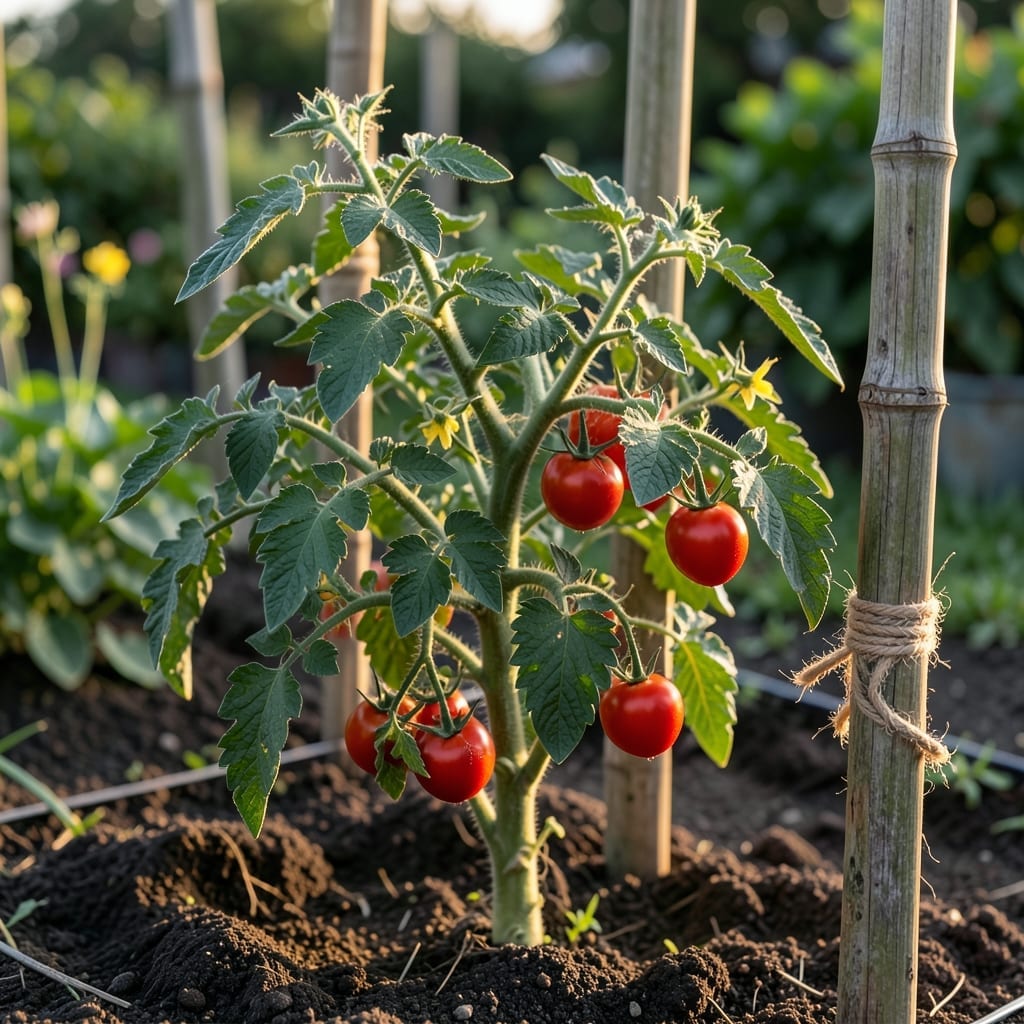
Tomatoes thrive on sunshine, but getting the balance right is key. Too little light leads to leggy, weak 🍅 plants, while excessive exposure can scorch leaves and stress your crop.
I’ve seen firsthand how the right amount of sun transforms a struggling garden into a flourishing one. Whether you’re a beginner or seasoned grower, understanding these needs will set you up for success.
Discover exactly how to give your Tomato plants the perfect light conditions for a healthy, productive harvest this season.

Getting sunlight requirements right is crucial for healthy tomato plants. Most varieties need 6-8 hours of direct sun daily to thrive and produce abundant fruit.
I’ve found that indeterminate tomatoes often require more light than determinate types, especially during their fruiting stage. Without enough sun, plants grow tall but weak, struggling to bear fruit.
| Tomato Type | Daily Sun Needs | Key Notes |
| Indeterminate | 8+ hours | Continuous growth, needs most light |
| Determinate | 6-8 hours | Bushy growth, slightly less demanding |
| Cherry | 6+ hours | More shade-tolerant than larger varieties |
| Seedlings | 12-16 hours | Use grow lights if natural light is insufficient |
For best results, position your plants where they’ll get morning sun, which is less intense than afternoon rays. This helps prevent leaf scorch while still providing energy for growth.
Measuring sunlight is simple: observe your garden at different times. A sunlight calculator app can help track hours accurately if you’re unsure about your space’s exposure.
During early growth stages, tomatoes need consistent light to develop strong stems. I recommend starting seeds indoors under grow lights for 14-16 hours daily if natural light is limited.
Once transplanted outside, acclimate plants gradually to full sun. Sudden exposure to intense light can shock them, causing wilting or sunburn on leaves.
In hot climates, some afternoon shade can actually benefit tomatoes, preventing heat stress. Use shade cloth if temperatures regularly exceed 90°F in your area.
Remember that container-grown tomatoes often need more sun than in-ground plants because pots heat up faster. Rotate them occasionally for even exposure.
Finally, watch for signs of too much sun, like bleached leaves or blossom drop. Adjust positioning or add temporary shading if needed. ☀️
When tomato plants lack sunlight, they send clear distress signals. I’ve noticed yellowing leaves at the bottom first, as the plant struggles to photosynthesize effectively.
Another red flag is slow growth or long, spindly stems, which happens when plants stretch toward available light. This weakens the structure and reduces fruit production.
⚠️ Warning: Sunlight Deficiency
Your tomatoes may be sun-starved if you see poor flowering, small fruits, or blossom drop. Even with enough water and nutrients, insufficient light will limit yield.
Leggy seedlings are a common early sign. If your young plants look tall and thin, they’re likely not getting enough light to grow thick, sturdy stems.
For quick fixes, I recommend pruning nearby plants to reduce shade or relocating pots to sunnier spots. Reflective surfaces, like white walls or mulch, can also help bounce light onto leaves.
In my experience, container tomatoes are easier to move to better light. If your garden has shady spots, consider raised beds or vertical gardening to maximize exposure.
Remember, even partial shade varieties need some direct sun. Without it, you’ll see reduced flowering and smaller harvests. Adjust early to save your crop. ☀️