
Beautiful Plants For Your Interior
Beautiful Plants For Your Interior
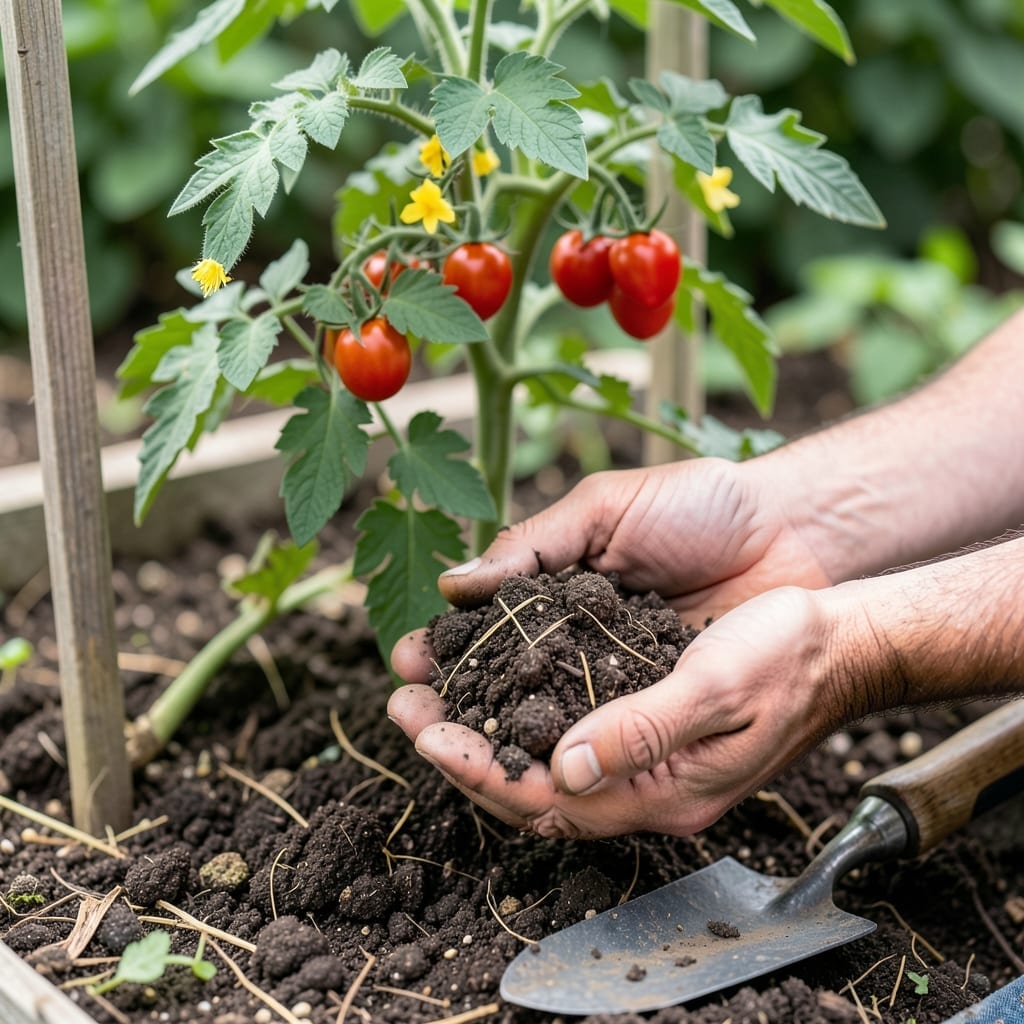
Picture this: you’ve planted your 🍅 Tomato seeds with high hopes, only to watch them struggle in poor soil. It’s a common frustration, but the solution is simpler than you think.
Getting the soil right is the key to robust plants and bountiful harvests. The perfect mix can transform your gardening experience from disappointing to extraordinary.
I’ve learned through trial and error what makes tomato plants truly thrive. The right soil isn’t just about dirt—it’s about creating an environment where your plants can flourish.
Discover how to prepare the ideal foundation for your tomatoes, and watch as your garden reaches its full potential this growing season.
If you want juicy, flavorful tomatoes, the foundation starts with your soil. Tomato plants are particular about their growing medium, and getting it right can mean the difference between a bountiful harvest and a disappointing season.
I’ve learned through experience that loamy soil is the gold standard for tomatoes. This ideal mix of sand, silt, and clay provides the perfect balance of drainage and moisture retention, ensuring roots stay happy and healthy 🌱
| Requirement | Specification |
|---|---|
| pH Level | 6.0 – 6.8 |
| Texture | Loamy |
| Drainage | Excellent |
| Organic Matter | High (30-50%) |
| N-P-K Ratio | Balanced (10-10-10) |
The ideal pH range for tomatoes is between 6.0 and 6.8. Any lower, and your plants may struggle to absorb essential nutrients like phosphorus and calcium. Too high, and you risk nutrient deficiencies.
Drainage is equally critical. Tomato roots hate sitting in water, so your soil must allow excess moisture to escape while retaining enough for the roots to access. A simple test: dig a 1-foot hole and fill it with water. If it drains in 1-2 hours, you’re good 🌿
Organic matter is the secret ingredient in tomato soil. I always mix in compost or well-rotted manure to boost fertility and improve soil structure. Aim for 30-50% organic content in your mix.
Tomatoes are heavy feeders, so nutrient balance matters. A balanced N-P-K fertilizer (like 10-10-10) works well at planting, but I switch to a low-nitrogen, high-phosphorus option once fruit sets to encourage blooming.
Don’t overlook soil texture. If your soil is too clay-heavy, it’ll hold too much water. Too sandy, and it’ll drain too quickly. The fix? Add peat moss or coconut coir to improve both extremes.
For container gardeners, choose a light, airy potting mix designed for vegetables. Avoid cheap mixes with high bark content—they dry out too fast and lack nutrients. I’ve had great success with mixes containing perlite and vermiculite for aeration.
Finally, remember that healthy soil equals healthy plants. If your tomatoes are struggling, the first place to look is beneath the surface. A little soil prep now means bigger, tastier tomatoes later in the season 🪴
Preparing the right soil for tomato plants starts with testing your garden’s pH. I always aim for a slightly acidic to neutral range, between 6.0 and 6.8, to ensure optimal nutrient uptake and robust growth.
Next, I focus on improving soil structure. Adding organic matter like compost or well-rotted manure boosts fertility and enhances drainage, which is critical for preventing root rot in tomato plants.
If your soil is heavy clay, I mix in sand or perlite to improve drainage. For sandy soil, adding organic matter helps retain moisture and nutrients, which tomatoes crave during their growing season.
I also recommend incorporating a slow-release organic fertilizer at planting time. This ensures a steady supply of nitrogen, phosphorus, and potassium—essential for strong stems, healthy roots, and abundant fruit.
Don’t forget to mulch around your tomato plants. A layer of straw or wood chips keeps the soil temperature stable and reduces water evaporation, which is especially important during hot summer days.
Finally, I always water deeply after planting to help settle the soil and eliminate air pockets around the roots. This gives your tomatoes the best start for a productive season. 🌱