
Beautiful Plants For Your Interior
Beautiful Plants For Your Interior
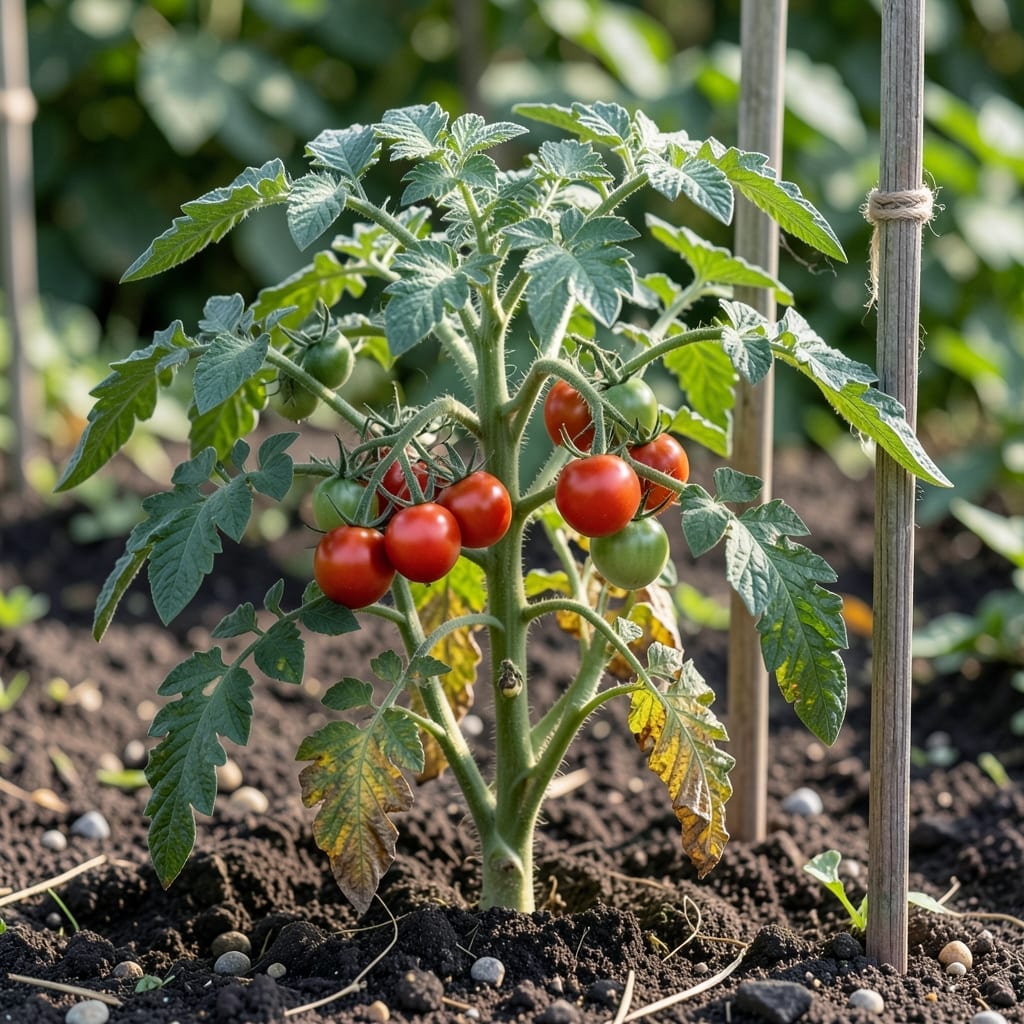
Yellow leaves on your tomato plants are their way of sending an SOS. I’ve seen this happen more times than I care to admit, usually when I’ve been a little too enthusiastic with the watering can.
The culprits are usually simple: too much water, not enough nutrients, or pests throwing a party at your plant’s expense. Each cause has its own telltale signs, like yellowing patterns or leaf spots, that help you diagnose the issue fast.
Fixing it often starts with checking the soil moisture with your finger and adjusting your care routine. A little detective work now can save your plants and get them back to producing those vibrant red fruits.
Preventing future yellowing means consistent care, balanced fertilization, and keeping an eye out for early warning signs. Your tomatoes will thank you with a bountiful harvest.
Tomato plants turning yellow is often a sign of underlying issues that need prompt attention. Here are the most common causes, explained scientifically to help you diagnose and fix the problem.
Yellowing leaves, or chlorosis, often result from a lack of essential nutrients. Nitrogen deficiency typically causes uniform yellowing of older leaves first, as nitrogen is mobile and the plant redirects it to newer growth. Magnesium deficiency, on the other hand, appears as yellowing between the veins of older leaves, creating a marbled effect. Potassium deficiency may cause yellowing leaf edges, often accompanied by brown scorching. Conduct a soil test to identify the specific deficiency and amend the soil accordingly with organic fertilizers or targeted supplements.
Both extremes can stress your tomato plant. Overwatering suffocates the roots, preventing them from absorbing oxygen and nutrients, leading to yellowing leaves and wilting. Underwatering causes the plant to conserve water by shedding leaves, which turn yellow and crispy. Check soil moisture by inserting your finger 1-2 inches into the soil. Water only when the top inch feels dry, and ensure your pots or garden beds have proper drainage.
Pests like aphids, whiteflies, and spider mites sap the plant’s nutrients, causing yellowing leaves. Aphids, for instance, excrete a sticky substance called honeydew, which can lead to sooty mold growth, further stressing the plant. Inspect the undersides of leaves for tiny insects or fine webbing. Treat infestations with insecticidal soap or neem oil, and introduce beneficial insects like ladybugs to keep pest populations in check.
Diseases such as early blight (caused by Alternaria solani) or septoria leaf spot can cause yellowing leaves with distinct spots or lesions. These pathogens thrive in wet, humid conditions. Remove and destroy infected leaves immediately to prevent spread, and avoid overhead watering. Apply copper-based fungicides as a preventive measure, and ensure good air circulation around your plants.
Once you’ve identified the cause, these practical fixes will help your tomato plants regain their vibrant green color. Address each issue with targeted solutions to ensure a healthy, thriving garden.
Nitrogen: If lower leaves are yellowing, apply a balanced fertilizer (10-10-10) or a nitrogen-rich amendment like compost or fish emulsion. Prevention tip: Test soil annually and amend before planting.
Magnesium: Yellowing between leaf veins? Use Epsom salt (1 tablespoon per gallon of water) as a foliar spray. Prevention tip: Add compost or aged manure to soil before planting.
Iron: Young leaves turning yellow? Treat with chelated iron or lower soil pH with sulfur. Prevention tip: Avoid overwatering, which can reduce iron uptake.
Overwatering: Let soil dry slightly between waterings. Ensure pots have drainage holes. Prevention tip: Use a moisture meter to avoid guesswork.
Underwatering: Deeply water plants 1–2 times per week, especially in heat. Prevention tip: Mulch around plants to retain moisture.
Aphids/Whiteflies: Spray with neem oil or insecticidal soap. Prevention tip: Introduce beneficial insects like ladybugs.
Fungal Diseases: Remove affected leaves and apply copper fungicide. Prevention tip: Space plants for airflow and water at the base, not leaves.
Too Much Sun: Provide afternoon shade with row covers. Prevention tip: Choose heat-tolerant varieties for hot climates.
Poor Soil: Mix in organic matter like compost or worm castings. Prevention tip: Rotate crops yearly to prevent depletion.
💡 Pro Tip: Always start with a soil test to pinpoint deficiencies before treating. Healthy soil = happy tomatoes!
Water deeply 1-2 times per week, allowing the top 1 inch of soil to dry between waterings. Overwatering is a common cause of yellowing leaves.
Nitrogen deficiency typically yellows older leaves first, as the plant redirects it to new growth. A soil test can confirm the issue.
Yes! Tiny pests like spider mites or aphids hide under leaves and suck plant juices. Check leaf undersides for webbing or sticky residue.
Usually not. Focus on correcting the problem to save the rest of the plant. New healthy growth will replace damaged leaves.