
Beautiful Plants For Your Interior
Beautiful Plants For Your Interior
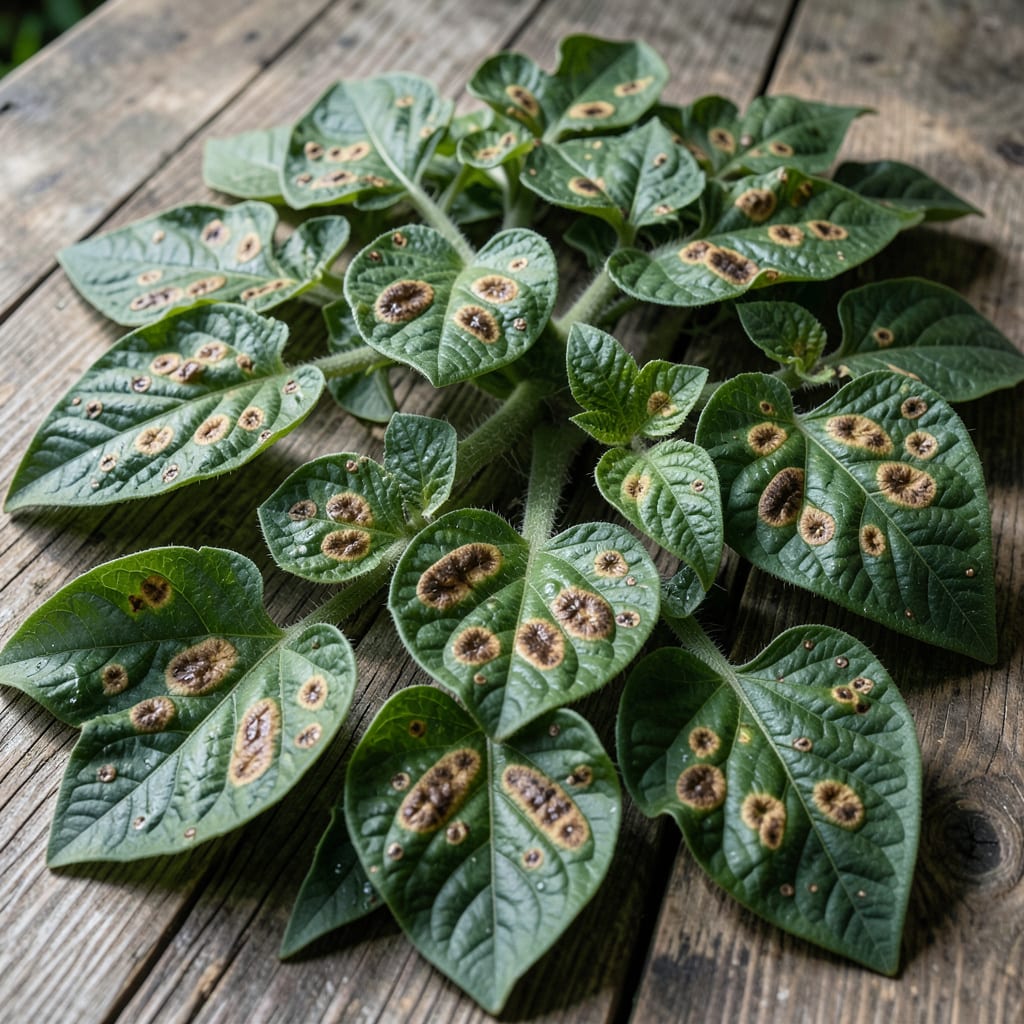
Those brown spots on your tomato leaves aren’t sunburn. I learned that the hard way after losing half my crop one summer. Septoria doesn’t kill plants overnight, but left unchecked, it’ll turn your lush green foliage into a crispy mess.
This fungus thrives in wet conditions, spreading silently through splashing water and contaminated soil. The first signs are tiny circular spots with gray centers—easy to miss until it’s too late. Catching it early means the difference between salvage and total loss.
Good news: organic fixes work. Copper sprays, proper spacing, and removing infected leaves can stop the spread. Prevention is even simpler—water at the base, rotate crops yearly, and keep the garden clean.
Your tomatoes can still produce a full harvest with the right approach. Here’s how to fight back.
Septoria leaf spot thrives in wet conditions. Prolonged leaf wetness (from rain, overhead irrigation, or high humidity) creates the perfect environment for the Septoria lycopersici fungus to germinate and spread. Tomato leaves stay damp for 48+ hours? That’s an open invitation.
The fungus overwinters in tomato plant debris or contaminated soil. If you plant tomatoes in the same spot year after year without rotation, spores linger and reinfect new plants. Even tools or shoes can carry spores from infected areas.
Dense plantings or lack of pruning restrict airflow, slowing leaf drying. Stagnant, humid microclimates between leaves accelerate spore germination and disease progression. Prune for open canopies to let leaves breathe.
Septoria lycopersici loves 60–80°F (15–27°C)—ideal for tomato growing seasons. When combined with moisture, these temps speed up spore production and infection. Cool nights with dew? Even worse.
Septoria leaf spot can be managed with a mix of cultural practices, organic treatments, and preventative care. Here’s how to tackle each cause and keep your tomato plants healthy.
Spot the diseased leaves? Prune them immediately to stop the fungus from spreading. Use clean, sharp scissors or pruners, and disinfect them with rubbing alcohol between cuts. Never compost infected leaves—toss them in the trash or burn them to prevent reinfection. This reduces the fungal load in your garden.
Fungus thrives in damp, crowded conditions. Space plants at least 2-3 feet apart to allow airflow. Thin out dense foliage by removing suckers and lower leaves. Water at the base of the plant (not overhead) early in the day so leaves dry quickly. A small fan in a greenhouse can also help keep air moving.
For active infections, spray with copper-based fungicides or neem oil weekly or after rain. Baking soda sprays (1 tbsp baking soda + 1 tsp dish soap + 1 gallon water) can also help, but they’re preventative, not curative. Always follow label instructions and apply in the evening to avoid leaf burn.
A strong plant resists disease better. Use balanced organic fertilizer to avoid excess nitrogen, which promotes leafy (and susceptible) growth. Mulch with straw to prevent soil splashing onto leaves, and rotate crops annually to break the fungal cycle.
💡 Pro Tip: Start with disease-resistant tomato varieties like ‘Mountain Merit’ or ‘Jasper’ to minimize future outbreaks.
Look for small circular spots with gray centers and dark edges on lower leaves first. These spots often appear after wet weather and can merge into larger patches. Early detection is key to preventing spread.
If over 50% of foliage is affected, remove the plant entirely to protect others. For mild cases, prune infected leaves and apply copper fungicide immediately. Always disinfect tools between cuts.
Yes, the fungus spreads via water splashing or infected debris. Keep tomatoes spaced 2-3 feet apart and avoid overhead watering. Remove fallen leaves promptly to break the cycle.
The fruit itself remains safe to eat, but reduce watering to prevent spore transfer. Harvest ripe tomatoes immediately and wash thoroughly. Focus on saving the harvest, not the plant.
