
Beautiful Plants For Your Interior
Beautiful Plants For Your Interior
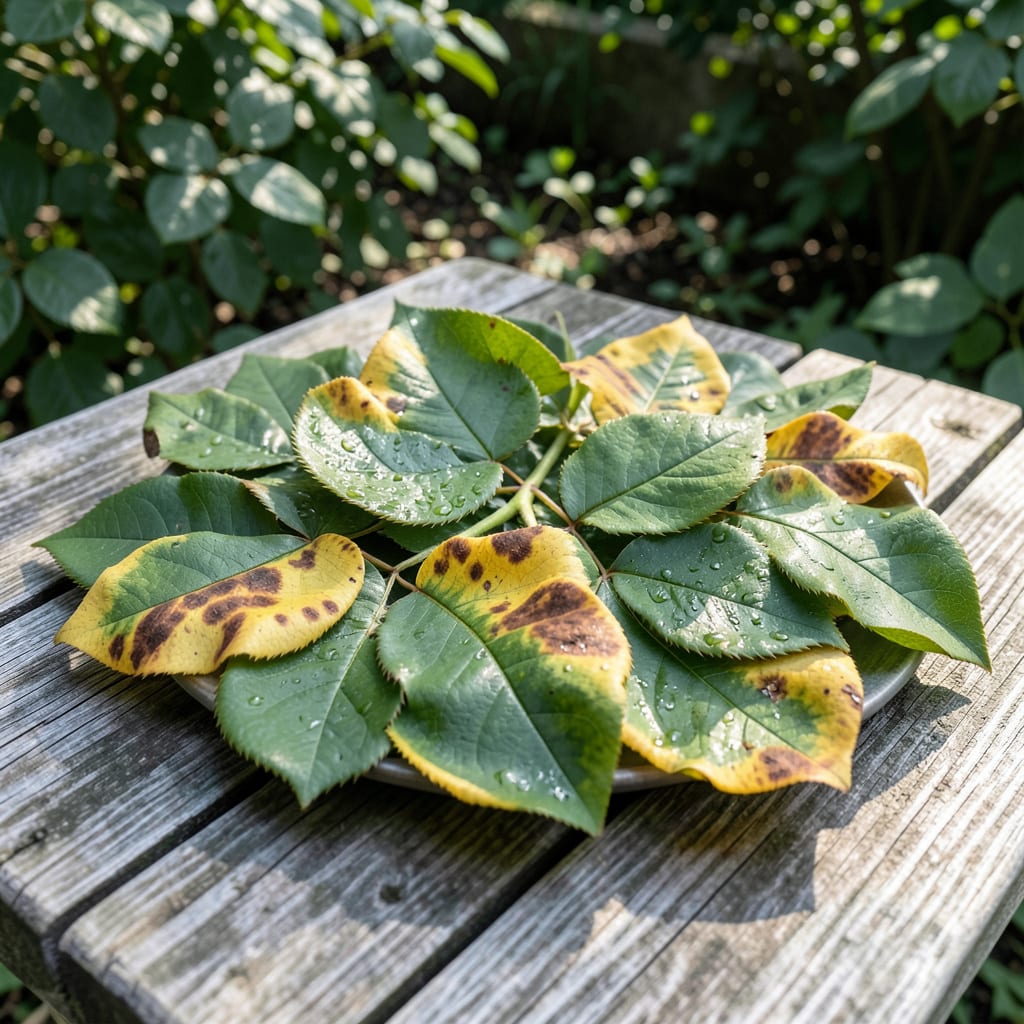
Yellow leaves with brown spots on your roses aren’t just unsightly—they’re a distress signal. I’ve seen this pattern enough to know it’s usually fungal, and ignoring it means the problem spreads fast.
Most gardeners jump to watering or fertilizer fixes, but the real culprit is often black spot or rust. These fungi thrive in wet, humid conditions, and once they take hold, they weaken the plant and stunt blooms.
Here’s the thing—early action saves your roses. Remove infected leaves immediately, improve air circulation, and apply a simple fungicide. Consistency here prevents a full-blown outbreak.
With the right steps, your roses can bounce back with healthier growth and more vibrant blooms within weeks. Don’t let this ruin your season.
Understanding why your rose leaves are turning yellow with brown spots starts with identifying the root causes. Here are the most common culprits, each with its own distinct mechanism:
Diplocarpon rosae, the fungus behind black spot disease, thrives in warm, humid conditions. It infects leaves through water splashes, producing circular brown spots with feathery edges. As the fungus spreads, it disrupts chlorophyll production, causing yellowing (chlorosis) around the spots. Left untreated, the leaves drop prematurely, weakening the plant.
Excess moisture suffocates rose roots, reducing their ability to absorb oxygen and nutrients. This stress triggers leaf yellowing (often starting at the edges) while waterlogged conditions create a breeding ground for fungi like Phytophthora or Pythium, which cause brown, necrotic spots. Check soil moisture 2 inches deep—if it’s soggy, it’s time to adjust watering.
Roses need balanced nutrition. A magnesium deficiency (common in sandy or acidic soils) causes yellowing between leaf veins, often with brown speckles. Potassium deficiency may lead to yellow edges with brown scorching. Test your soil (pH 6.0–6.5 is ideal) and amend with Epsom salt (for magnesium) or potassium sulfate as needed.
Sap-sucking pests like spider mites or aphids pierce leaf cells, draining vital fluids. Their feeding creates stiplled yellow patches, while their honeydew secretions foster sooty mold (black/brown spots). Inspect leaf undersides for webbing or tiny insects—early intervention with neem oil can prevent escalation.
Intense sunlight (scald) or sudden temperature swings can cause leaf burn, appearing as yellow halos around brown, crispy spots. Roses in containers are especially vulnerable to heat stress. Provide afternoon shade in extreme heat and ensure consistent watering to mitigate this.
If your roses are sporting yellow leaves with brown spots, act fast with these targeted fixes. Each cause has a clear solution—plus prevention tips to keep your blooms thriving.
For black spot or powdery mildew, remove infected leaves immediately and discard them (don’t compost). Spray the plant with neem oil or a baking soda solution (1 tsp baking soda + 1 quart water + a few drops of dish soap). Apply every 7–10 days until the issue clears.
Prevention: Improve air circulation by pruning dense growth. Water at the base early in the day so foliage stays dry. 💡 Pro tip: A layer of mulch prevents spores from splashing up from the soil.
Overwatering or poor drainage causes root stress, leading to yellowing leaves. Let the top 1–2 inches of soil dry out between waterings. If the soil is soggy, check drainage and consider amending with compost or perlite.
Prevention: Use a moisture meter to avoid guesswork. Water deeply but less frequently—roses prefer consistent moisture, not soggy roots. 🌡️ Pro tip: Drip irrigation keeps leaves dry and reduces fungal risks.
Yellow leaves with brown edges often signal magnesium or potassium deficiency. Apply a balanced rose fertilizer (10-10-10) or Epsom salt (1 tbsp per gallon of water) for magnesium. For potassium, use a banana peel tea or a specialized rose food.
Prevention: Test your soil annually and fertilize in early spring and mid-summer. Avoid over-fertilizing, which can burn roots and worsen stress. ✨ Pro tip: Organic compost enriches soil naturally over time.
Inspect the undersides of leaves for aphids, spider mites, or thrips. Blast them off with a strong stream of water, or use insecticidal soap or horticultural oil. For severe infestations, apply a systemic insecticide.
Prevention: Encourage beneficial insects like ladybugs and lacewings by planting companion flowers (e.g., marigolds or alyssum). 🎯 Pro tip: Regularly spray leaves with water to deter pests before they settle in.
Often yes—it’s commonly black spot fungus or rust. These spread quickly but are treatable with fungicides and proper care. Early action prevents lasting damage.
Soggy soil suffocates roots, stressing the plant. This stress leads to yellowing leaves and invites fungal growth. Check soil moisture before watering.
Yes! Prune infected leaves immediately and discard them. This stops the spread and improves air circulation. Never compost diseased foliage.
Apply neem oil or a baking soda spray every 7–10 days. Also improve airflow and avoid wetting leaves when watering. Consistency is key.
