
Beautiful Plants For Your Interior
Beautiful Plants For Your Interior
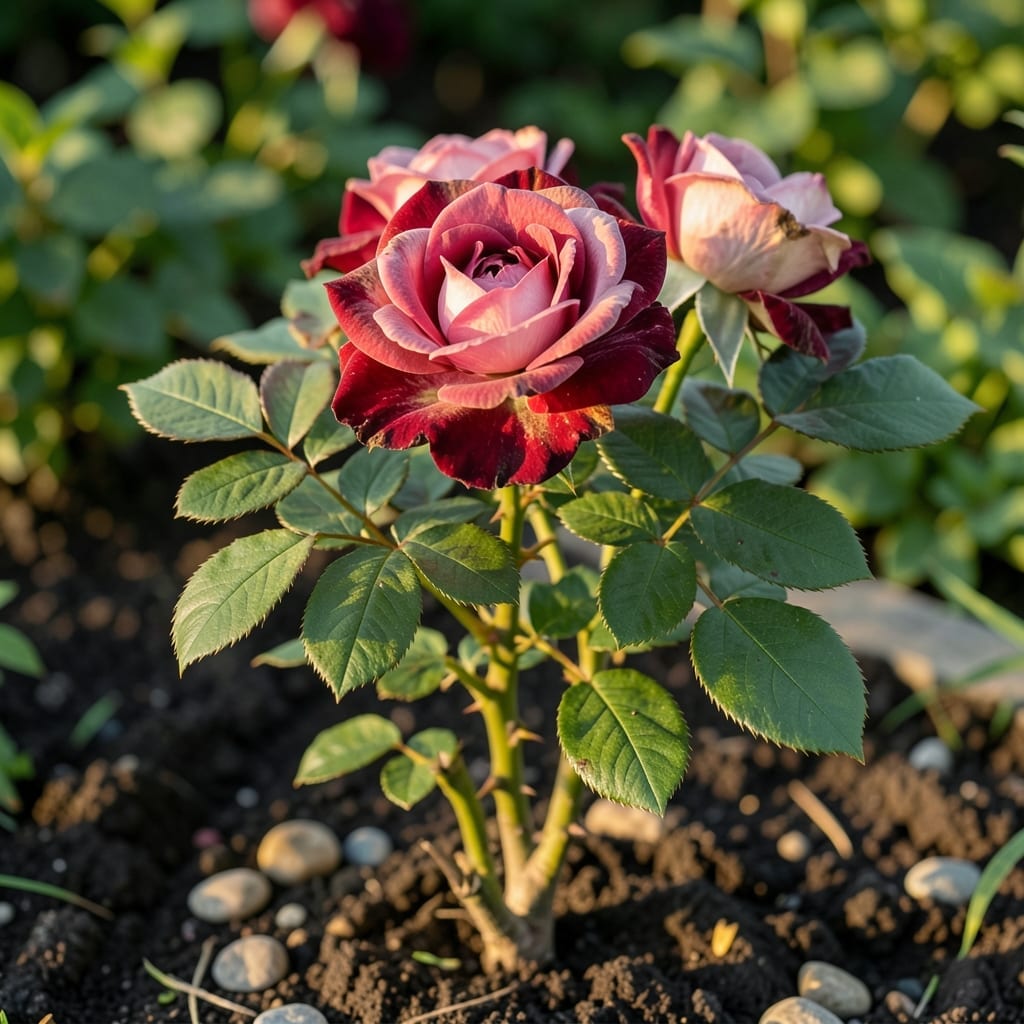
Brown roses mean something’s wrong, and I’ve seen it all in my garden. The leaves, stems, or petals turning brown usually points to water issues, disease, or pests attacking your plants.
Too much or too little water stresses roses quickly. Black spot fungus or powdery mildew can spread fast if left unchecked. Even aphids and Japanese beetles can cause browning by damaging the plant’s ability to thrive.
Start by checking your watering schedule and inspecting leaves for spots or insects. Prune affected areas immediately to prevent spread, and adjust care based on what you find.
With the right approach, your roses can bounce back to their vibrant green and colorful blooms in no time. Let’s figure out the exact issue and fix it together.
Browning roses can signal several underlying issues, often tied to environmental stress or care mistakes. Here are the most common causes, explained simply:
Roses exposed to intense sunlight or extreme heat can develop brown, crispy edges or patches. This happens because excessive transpiration (water loss through leaves) outpaces the plant’s ability to absorb moisture, leading to tissue damage. Shade cloth or afternoon watering can help mitigate this.
Inconsistent watering disrupts nutrient uptake. Underwatering causes roots to dry out, turning leaves brown and brittle. Conversely, overwatering suffocates roots, promoting fungal growth (like root rot) that blocks water transport. Aim for 1–2 inches of water per week, adjusting for soil drainage.
Pathogens like Black Spot (Diplocarpon rosae) or Powdery Mildew create brown spots or patches. These fungi thrive in humid, poorly ventilated conditions. Remove infected leaves immediately and apply fungicide (copper-based or neem oil) preventatively.
A lack of magnesium (yellowing with brown edges) or potassium (scorched leaf tips) can cause browning. Test soil pH (ideal: 6.0–6.5); amend with compost or a balanced rose fertilizer (e.g., 10-10-10) if deficiencies are confirmed.
Sap-sucking pests like spider mites or thrips pierce plant cells, causing stippled brown spots. Check leaf undersides for webs or tiny insects. Treat with insecticidal soap or introduce beneficial predators like ladybugs.
Once you’ve identified the cause, these targeted fixes will help restore your roses’ vibrant health.
Water deeply at the base early in the morning (1–2 inches per week). Add a 2–3 inch layer of mulch (straw or bark) to retain moisture. Prevention tip: 💡 Install drip irrigation for consistent hydration.
Prune affected leaves/stems with sterilized shears (dip in rubbing alcohol between cuts). Apply a copper fungicide or neem oil spray weekly until resolved. Prevention tip: ✨ Space plants for airflow and avoid overhead watering.
Blast aphids/spider mites off with water, or use insecticidal soap. For severe cases, apply horticultural oil at dusk. Prevention tip: 🎯 Encourage ladybugs (natural predators) with companion plants like marigolds.
Use a balanced rose fertilizer (10-10-10) or organic compost. Yellow leaves with brown edges? Test soil pH—aim for 6.0–6.5. Prevention tip: 🌱 Feed roses every 4–6 weeks during growing season.
Trim blackened stems back to healthy wood (green inside). Shield plants with burlap wraps or frost cloth before cold snaps. Prevention tip: 🌡️ Plant cold-hardy rose varieties if frost is frequent.
Water deeply to dilute excess salts from fertilizers. Avoid over-fertilizing—follow package rates. Prevention tip: 💧 Use slow-release granules to prevent nutrient overload.
No, once rose leaves turn brown, they won’t recover. Remove them to prevent fungal spread and focus on improving plant health to encourage new growth.
In extreme heat, water deeply 2-3 times per week at the base. Early morning is best to reduce evaporation. Always check soil moisture 2 inches down.
Yes, neem oil works as both a fungicide and insecticide. Apply in the evening and reapply after rain. Mix 2 tablespoons per gallon of water for best results.