
Beautiful Plants For Your Interior
Beautiful Plants For Your Interior
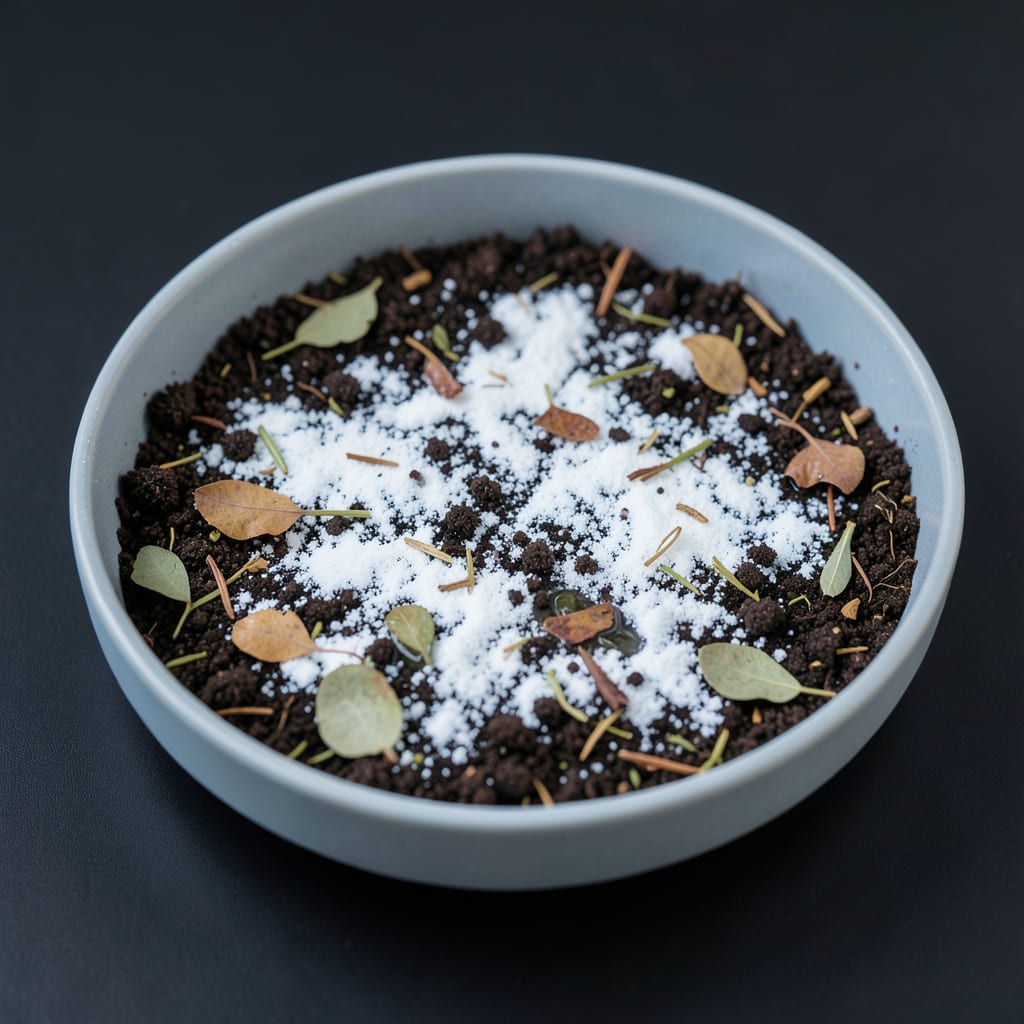
That white dust on your soil isn’t dirt—it’s trouble. Powdery mildew in soil often sneaks in when air can’t move and moisture lingers too long.
I first spotted it on my zucchini starts last spring. The leaves looked fine, but the soil surface had that telltale powdery coating. Turns out, it thrives in crowded plants and shady spots where airflow stalls.
This project tackles it head-on with organic solutions that work. You’ll learn to spot early signs, adjust your setup, and treat it without harsh chemicals that hurt your garden’s good guys.
The fix is simpler than you’d think, and your plants will thank you with healthier growth within days.
Powdery mildew in soil doesn’t just appear out of nowhere—it thrives under specific conditions. Understanding these root causes can help you prevent and manage outbreaks effectively.
The primary driver of powdery mildew is excess moisture combined with stagnant air. Fungal spores, like those of Erysiphe or Podosphaera species, germinate in environments where humidity exceeds 60% and air circulation is limited. Dense plant canopies, overcrowded gardens, or improper spacing trap moisture near the soil surface, creating a breeding ground for spores.
Soggy soil is a direct invitation for fungal growth. Overwatering or poor drainage keeps the soil saturated, reducing oxygen availability and weakening plant roots. This stress makes plants more susceptible to infections. Clay-heavy or compacted soils exacerbate the problem by retaining water longer, giving mildew ample time to establish.
Soil deficient in calcium or silica often struggles to resist fungal pathogens. These nutrients strengthen cell walls, making it harder for mildew to penetrate. Conversely, excess nitrogen promotes lush, soft growth that’s more vulnerable to infection. A soil test can reveal imbalances before they become a problem.
Powdery mildew spores can overwinter in decaying plant matter left in the soil. Fallen leaves, abandoned crops, or uncomposted organic matter harbor spores that reactivate when conditions are favorable. Failing to remove or properly compost these materials allows the fungus to persist season after season.
Tackling powdery mildew in soil starts with identifying the root cause and applying targeted fixes. Here’s a practical guide to solving the issue, with prevention tips to keep it from returning.
Fungi thrive in stagnant, humid conditions. Fix: Space out plants to allow airflow, and prune dense foliage. Use a small fan indoors to keep air moving. For outdoor gardens, avoid overcrowding and trim nearby weeds.
Prevention tip: 💡 Plant in well-ventilated areas and choose resistant varieties when possible.
Wet soil creates a haven for mildew. Fix: Water at the base of plants early in the day so foliage dries quickly. Use drip irrigation to avoid wetting leaves. Let the top inch of soil dry out between waterings.
Prevention tip: ✨ Invest in a moisture meter to avoid overwatering.
Powdery mildew loves humidity above 60%. Fix: Use a dehumidifier indoors or mulch with organic material to reduce soil moisture. Outdoors, water in the morning and avoid evening misting.
Prevention tip: 🎯 Group plants with similar water needs together to manage humidity better.
If the soil is heavily infected, removal may be necessary. Fix: Replace the top few inches of soil with fresh, sterile mix. For mild cases, treat with neem oil or a baking soda solution (1 tsp baking soda + 1 quart water + a few drops of dish soap).
Prevention tip: 🌱 Rotate crops annually to prevent fungal buildup in the soil.
Stressed plants are more susceptible. Fix: Strengthen plants with balanced organic fertilizers and ensure they get enough sunlight. Remove heavily infected leaves or plants to prevent spread.
Prevention tip: 💪 Keep plants healthy with regular feeding and proper care.
Yes, spores can travel through air, water, or gardening tools. Keep infected plants isolated and clean your tools with rubbing alcohol after use.
Typically it stays on the surface, but severe cases can weaken roots. Focus on improving drainage and reducing moisture to protect the entire plant.
Spores can survive in soil over winter. Remove infected plant debris and rotate crops to break the cycle.
Generally yes, but test on a small area first. Use 1 tsp per quart of water with a drop of soap to avoid leaf burn.
