
Beautiful Plants For Your Interior
Beautiful Plants For Your Interior
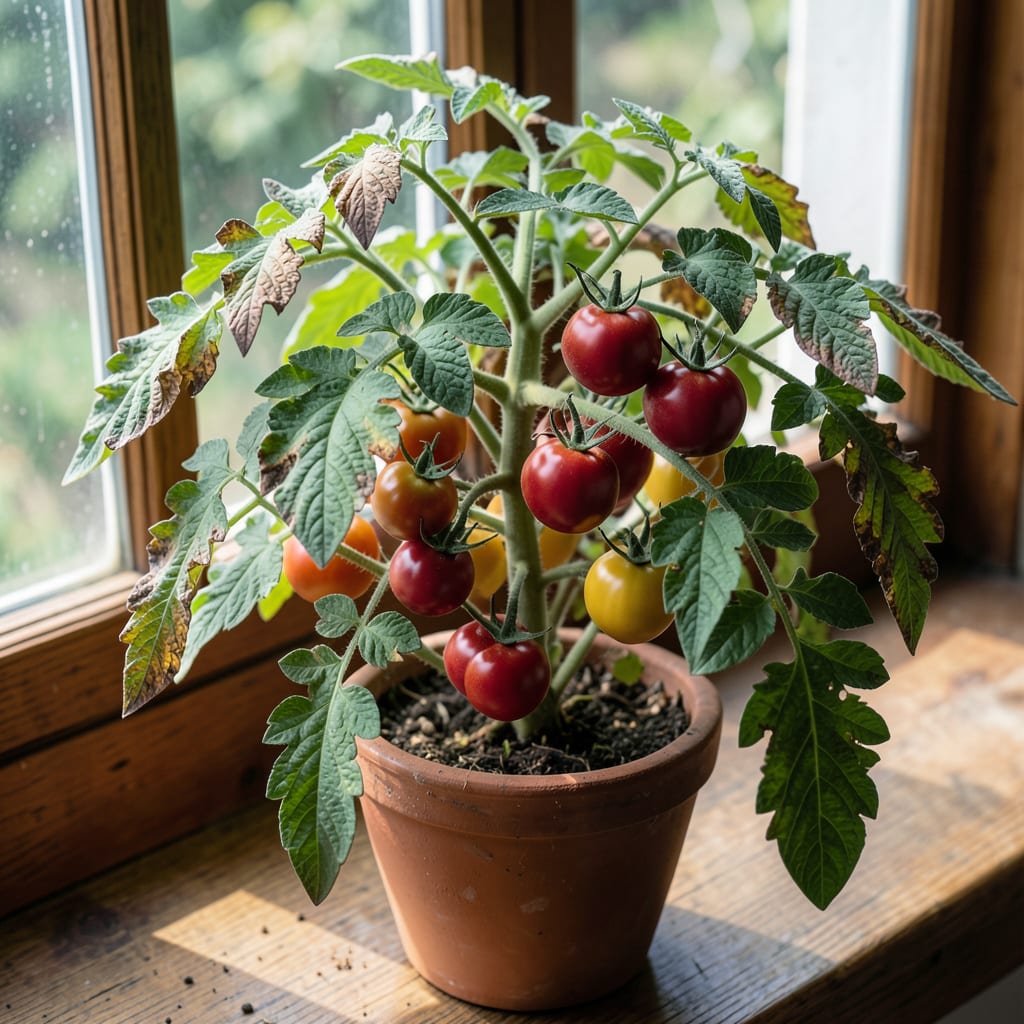
Brown tips on tomato leaves aren’t just unsightly—they’re your plant’s way of waving a white flag. I’ve seen this problem derail entire crops, but it’s almost always fixable with the right diagnosis.
The usual suspects are water stress (too much or too little), nutrient imbalances, or environmental factors. Most gardeners jump to conclusions about disease, but 90% of cases trace back to something simpler you can correct today.
You’ll spot the difference between crispy, dry tips (underwatering) and soft, yellowing edges (overwatering). Each clue points to a specific fix, from adjusting your watering schedule to amending the soil.
Catching it early means saving your harvest. Here’s how to read the signs and turn those sad leaves around.
Brown tips on tomato leaves are often a sign of environmental stress or nutritional issues. Below are the most common causes, explained with actionable insights.
Tomatoes need consistent moisture—too little water causes leaf edges to dry out and turn brown, while too much suffocates roots, leading to poor nutrient uptake. Check soil moisture 2 inches deep; it should feel slightly damp, not soggy or bone-dry. Solution: Water deeply 1–2 times per week, adjusting for rainfall and heat. Use drip irrigation to avoid wetting foliage.
Intense sunlight or temperatures above 90°F (32°C) can scorch leaf tips, especially in young or transplanted seedlings. This is called heat stress and often appears as crispy, brown edges. Solution: Provide afternoon shade with shade cloth (30–50%) or plant in a spot with dappled light. Mulch around the base to retain soil moisture and cool roots.
Excess salts or imbalanced nutrients—particularly calcium, magnesium, or potassium deficiencies—can cause tip burn. Over-fertilization (especially with synthetic high-NPK mixes) leads to salt buildup, which draws water out of leaf tissues. Solution: Test soil pH (ideal: 6.0–6.8). Flush excess salts by watering deeply, and switch to a balanced, organic fertilizer. For calcium, add crushed eggshells or gypsum.
Pathogens like Alternaria or Septoria can cause brown spots or tip dieback, often with yellow halos. These thrive in wet, humid conditions. Solution: Improve air circulation by pruning lower leaves and spacing plants 2–3 feet apart. Apply copper fungicide preventatively, and avoid overhead watering.
Don’t let browning leaf tips ruin your tomato harvest. Here’s how to diagnose and fix the most common causes, with simple steps to restore your plant’s health.
💡 Prevention tip: Mulch around plants with straw to retain moisture and prevent soil splashing onto leaves.
💡 Prevention tip: Rotate crops yearly and enrich soil with compost before planting to prevent imbalances.
💡 Prevention tip: Choose heat-tolerant tomato varieties like ‘Solar Fire’ or ‘Heatmaster’ if you garden in hot climates.
💡 Prevention tip: Plant disease-resistant varieties (e.g., ‘Mountain Merit’) and rotate crops to break pest cycles.
Underwatered tips look dry and crispy, often curling upward. Check soil 2 inches deep—if bone-dry, that’s your clue. Water deeply and consistently to fix it.
Yes, removing damaged tips prevents further stress. Use clean scissors to snip just the brown parts, leaving healthy tissue intact. This redirects energy to new growth.
Excess fertilizer creates salt buildup, which burns leaf tips. Flush soil with water and switch to a balanced, organic option. Test soil pH for best results.
Only if caused by fungal/bacterial diseases. Improve airflow and avoid wet foliage to prevent spread. Non-disease causes like water stress won’t affect nearby plants.
