
Beautiful Plants For Your Interior
Beautiful Plants For Your Interior
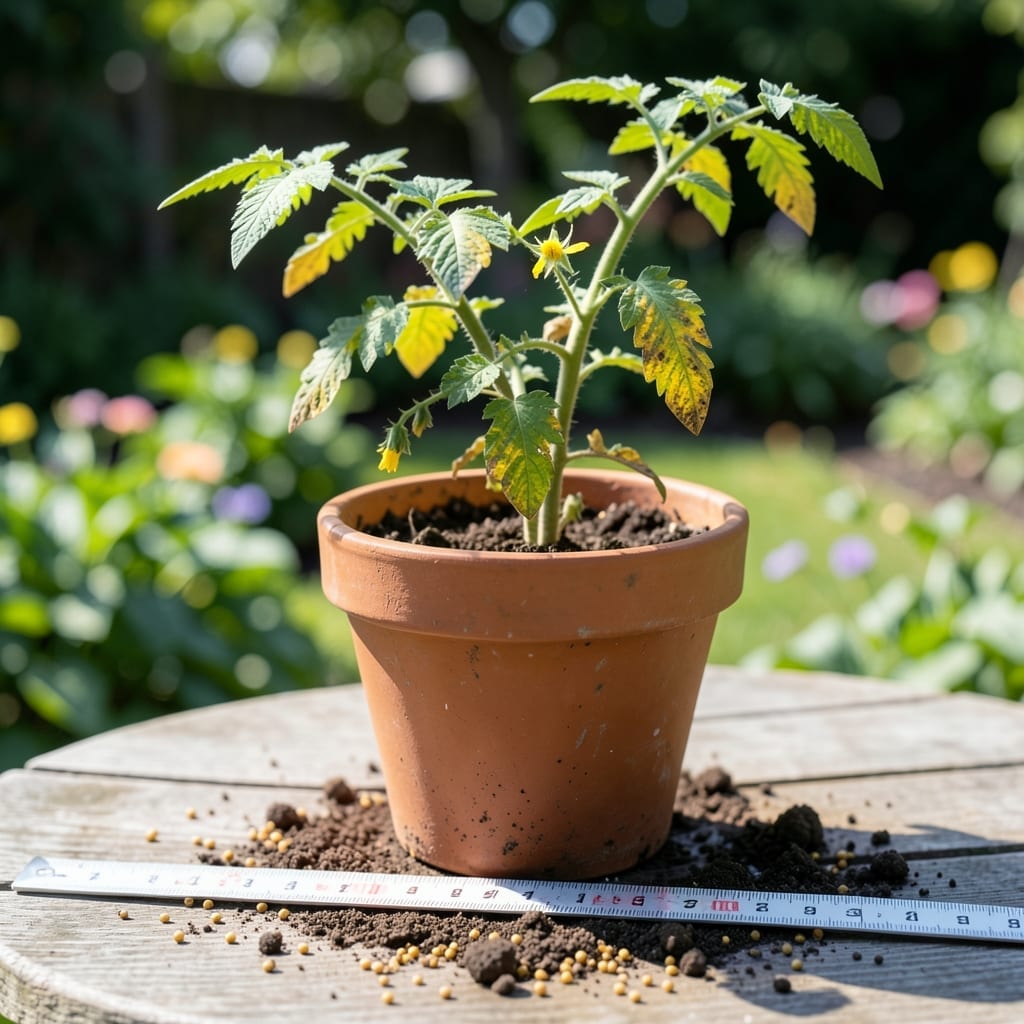
Slow growth drives gardeners crazy, but it’s usually fixable. I’ve diagnosed this issue in my own garden more times than I care to admit—turns out the culprits are often hiding in plain sight.
The usual suspects? Not enough light, water that’s either too much or too little, or soil that’s starving your plants. Weak stems and pale leaves are dead giveaways that something’s off below the surface.
Most fixes take under a week to show results. Adjust your care routine, and you’ll see greener, perked-up plants faster than you’d expect. No green thumb required.
Works for houseplants, veggies, or flowers—wherever your garden grows.
Several factors can stall your plants’ growth, often tied to their basic needs. Here’s a breakdown of the most common culprits:
Plants need a balanced diet of nitrogen (N), phosphorus (P), and potassium (K), along with micronutrients like iron and magnesium. A lack of nitrogen slows leafy growth, while phosphorus deficiency stunts root development. Test your soil with a kit to identify missing nutrients, then amend with organic compost or targeted fertilizers.
Both overwatering and underwatering stress plants. Overwatering suffocates roots by reducing oxygen in the soil, while underwatering limits nutrient uptake. Aim for consistent moisture—check the top inch of soil; if it’s dry, it’s time to water. Use pots with drainage holes to prevent root rot.
Plants convert light into energy via photosynthesis. Without enough light (6–8 hours daily for most species), growth slows or stops. South-facing windowsills or grow lights (LED or fluorescent) can supplement natural light. Watch for leggy stems or pale leaves—classic signs of light hunger.
Most plants thrive in 65–75°F (18–24°C) during the day and a 10°F drop at night. Cold drafts or heat stress disrupt metabolic processes. Keep plants away from AC vents, heaters, or cold windows. A simple thermometer near your plants helps monitor conditions.
Compacted or nutrient-poor soil restricts root expansion. Ideal soil should be loose, well-draining, and rich in organic matter. Mix in perlite or coconut coir to improve aeration, and refresh potting soil every 1–2 years to replenish nutrients.
Slow plant growth can be frustrating, but the right fixes can get your green friends thriving again. Below are targeted solutions for common causes, plus tips to prevent future sluggishness.
If your soil lacks nutrients, mix in compost or organic matter to boost fertility. Test soil pH (aim for 6.0–7.0 for most plants) and adjust with lime (to raise pH) or sulfur (to lower it). Prevention tip: Refresh soil every growing season and rotate crops to avoid depletion. 💡
Check moisture levels by sticking your finger 1–2 inches into the soil. If dry, water deeply; if soggy, let it dry out before watering again. Use well-draining pots and saucers to avoid root rot. Prevention tip: Water early in the day to reduce evaporation and fungal risks. 🌡️
Move plants to brighter spots or supplement with grow lights (LED or fluorescent) for 12–16 hours daily. South-facing windows are ideal. Prevention tip: Rotate plants weekly for even light distribution. ✨
Use a balanced fertilizer (e.g., 10-10-10) or target deficiencies with specific nutrients (e.g., nitrogen for leafy growth). Follow label instructions to avoid overfeeding. Prevention tip: Fertilize during active growth (spring/summer) and pause in dormant seasons. 📊
Inspect leaves and stems for pests (aphids, spider mites) or signs of disease (spots, mold). Treat with neem oil or insecticidal soap for pests, and remove infected parts. Prevention tip: Keep plants clean and space them properly for airflow. 🎯
Test your soil every 4-6 weeks during active growth. Use a simple kit to monitor pH and nutrients. This helps catch deficiencies before they slow growth.
Yes! Over-fertilizing can burn roots and create toxic salt buildup. Always follow label instructions and fertilize only during the growing season, not in winter.
South-facing windows provide the most consistent natural light. For low-light spaces, use LED grow lights for 12-16 hours daily. Rotate plants weekly for even exposure.
Yellow leaves often signal overwatering or nitrogen deficiency. Check soil moisture first—if it’s soggy, let it dry out. If dry, your plant may need a nitrogen boost.