
Beautiful Plants For Your Interior
Beautiful Plants For Your Interior
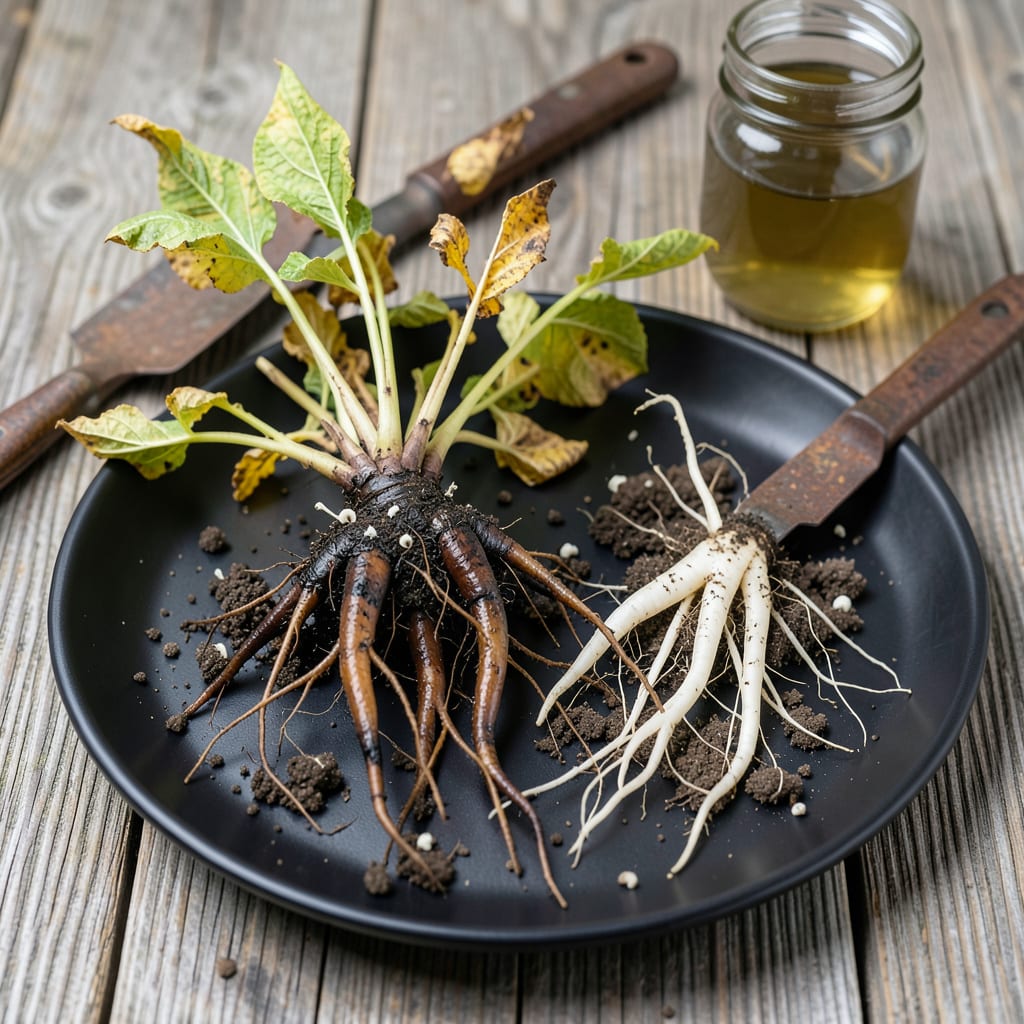
Your plants are trying to tell you something. I learned the hard way that yellowing leaves and drooping stems often mean trouble below the soil, not above it.
Root rot starts silently but spreads fast. The roots turn brown and mushy, the soil stays soggy, and your plant looks like it’s giving up. Most cases come from overwatering or poor drainage.
Catching it early saves your plants. I’ve revived wilted specimens by adjusting watering, improving airflow, and repotting in fresh, well-draining soil.
Works for houseplants, garden favorites, and container crops alike. Here’s how to spot it and stop it in its tracks.
Root rot doesn’t appear out of nowhere—it’s the result of specific environmental and care-related missteps. Here’s what’s really going on beneath the soil:
Excess water suffocates roots by displacing oxygen in the soil, creating an anaerobic (oxygen-free) environment where harmful fungi like Phytophthora or Pythium thrive. Soggy soil also slows root respiration, weakening the plant’s defenses. Actionable fix: Ensure pots have drainage holes and use well-draining soil mixes (e.g., perlite or sand for aeration).
Dense, clay-rich soils retain moisture and limit root expansion, trapping water around delicate root systems. This stagnation accelerates fungal and bacterial growth. Actionable fix: Amend soil with organic matter (compost, coconut coir) to improve structure and drainage.
Pathogens like Fusarium or Rhizoctonia infect stressed roots, often entering through wounds or weak spots. These microbes multiply rapidly in wet, warm conditions (70–80°F). Actionable fix: Sterilize tools and pots between uses, and avoid reusing soil from infected plants.
High humidity (>80%) and warm temps encourage pathogen spread, while cold, waterlogged soil can shock roots, making them vulnerable. Actionable fix: Maintain consistent temps (65–75°F for most houseplants) and use fans to improve airflow around the base.
Root rot can be a plant’s worst nightmare, but with the right steps, you can nurse your green friends back to health. Below are practical solutions tailored to the most common causes, along with tips to keep your plants thriving long-term.
If soggy soil is the culprit, stop watering immediately and let the top 1-2 inches of soil dry out before watering again. Repot the plant in fresh, well-draining soil and a pot with drainage holes. For severe cases, trim away black, mushy roots with sterilized scissors before repotting.
Prevention tip: 💡 Stick your finger in the soil—water only when the top layer feels dry. Use pots with drainage and avoid saucers that trap water.
For fungal root rot, treat the roots with a copper-based fungicide or a natural option like neem oil. For bacterial issues, soak the roots in a 1:10 hydrogen peroxide-to-water solution for 10 minutes to kill pathogens. Always repot in clean, sterilized soil afterward.
Prevention tip: ✨ Sterilize your tools and pots between uses, and avoid overcrowding plants to improve airflow.
If your pot lacks drainage or the soil is too dense, switch to a mix with perlite, sand, or orchid bark to improve aeration. Terracotta pots are a great choice as they wick away excess moisture.
Prevention tip: 🎯 Always use pots with drainage holes and elevate them to prevent waterlogging.
With these fixes and a little TLC, your plants can bounce back from root rot and grow stronger than ever!
Look for yellowing leaves, wilting despite moist soil, and a foul odor from the roots. Gently check the roots—healthy ones are white and firm, while rotten roots are brown, mushy, and may fall apart.
Yes, if caught early! Trim affected roots with sterilized scissors, repot in fresh, well-draining soil, and adjust your watering habits. Severe cases may not recover, but early intervention often saves the plant.
Overwatering is the top culprit. Soggy soil suffocates roots and invites fungal growth. Even with good intentions, too much water can quickly lead to trouble.
Use pots with drainage holes, water only when the top 1-2 inches of soil are dry, and ensure good airflow around your plants. Well-draining soil mixes are also key.
