
Beautiful Plants For Your Interior
Beautiful Plants For Your Interior
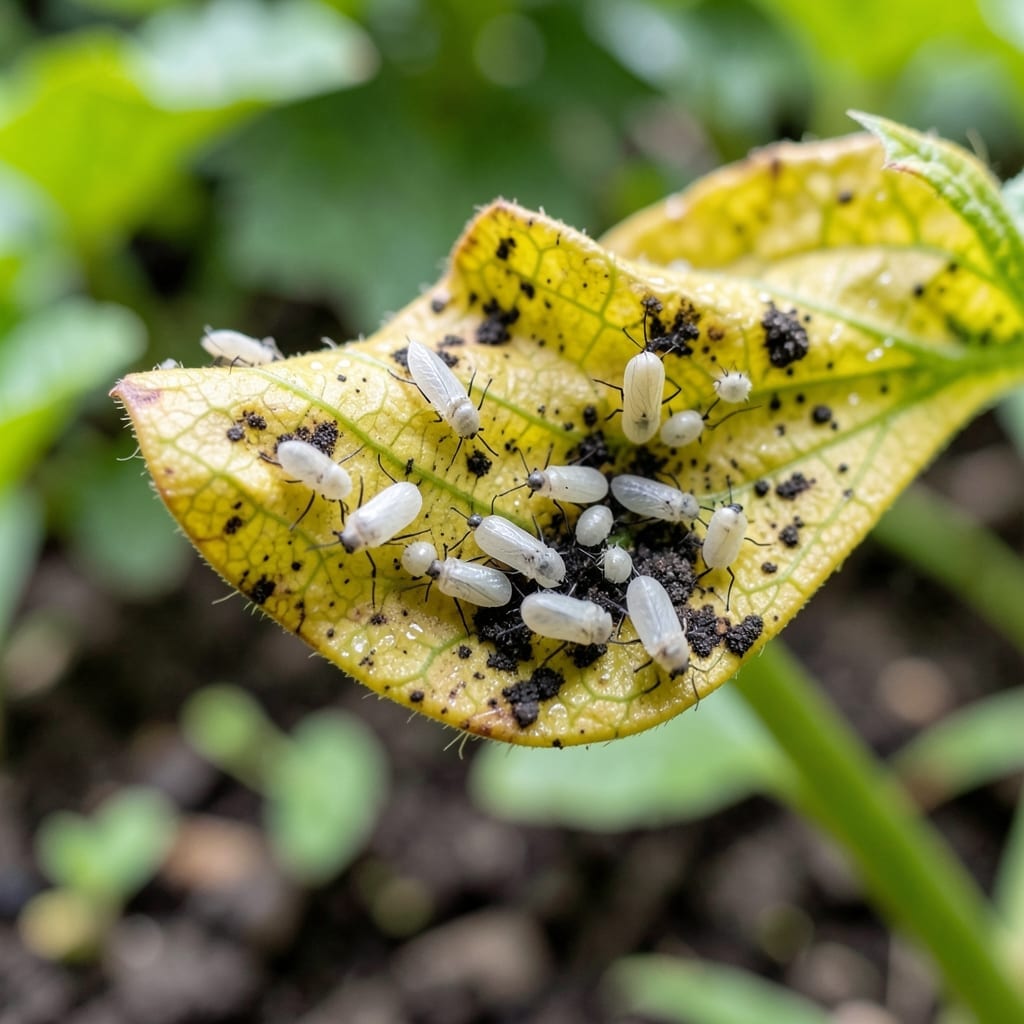
Sticky leaves and yellowing foliage are your first red flags. Whitefly damage starts subtle but escalates fast if you miss the early signs like stunted growth or that telltale honeydew residue.
I’ve battled these pests enough to recognize their calling card: fine white nymphs clinging to leaf undersides and that annoying cloud of adults when you disturb the plant. Left unchecked, they’ll drain plant sap and spread viruses.
Catching it early means salvaging your plants with a strong jet of water or insecticidal soap. The key is daily inspections—especially on tomatoes, peppers, and ornamentals.
Prevention is simpler than cure. Keep plants healthy, remove weeds, and introduce beneficial insects like ladybugs to break their life cycle.
Whitefly damage isn’t random—it’s driven by specific biological and environmental factors. Understanding these causes helps you target prevention and treatment more effectively.
Both adult whiteflies and their nymphs pierce plant tissue with needle-like mouthparts to suck out sap. This phloem-feeding weakens the plant by depleting vital nutrients and water. The nymphs, which are immobile and often clustered on leaf undersides, cause the most damage due to their prolonged feeding sessions.
Stressed plants—whether from drought, overwatering, or poor soil nutrition—are more susceptible to whitefly infestations. Weakened plants lack the natural defenses (like thick cuticles or robust immune responses) to repel or tolerate whitefly attacks, making them prime targets.
Whiteflies thrive in warm, humid environments (70–85°F with 50–70% humidity). These conditions accelerate their reproduction cycle, allowing populations to explode rapidly. Greenhouses and indoor gardens are especially vulnerable without proper ventilation or climate control.
In balanced ecosystems, predators like ladybugs, lacewings, and parasitic wasps keep whitefly numbers in check. However, in monoculture settings or areas with heavy pesticide use, these beneficial insects are often absent, giving whiteflies free rein to multiply and damage plants unchecked.
Whiteflies can wreak havoc on your plants, but with the right approach, you can turn the tide. Below are practical solutions tailored to specific damage causes, along with prevention tips to keep your garden thriving.
If your plant’s leaves are turning yellow or sticky (a sign of honeydew), act fast. Prune heavily infested leaves and dispose of them in a sealed bag to prevent whiteflies from spreading. Use sterilized shears to avoid introducing new pests. For mild cases, a strong blast of water can dislodge adults and nymphs—repeat every few days until the issue subsides.
Whiteflies sap plant nutrients, leading to weak or stunted growth. Release beneficial insects like ladybugs, lacewings, or parasitic wasps, which feed on whitefly nymphs. For a quick fix, apply neem oil or insecticidal soap (spray in the early morning or late evening) to disrupt their life cycle.Always test on a small area first to avoid plant burn.
Black, sooty mold grows on honeydew secretions left by whiteflies. Wipe leaves gently with a damp cloth and mild soap to remove mold. Follow up with a copper-based fungicide or a baking soda solution (1 tsp baking soda + 1 quart water + a drop of dish soap) to prevent regrowth. Improve airflow around plants to discourage mold development.
Consistency is key—monitor plants weekly and act at the first sign of trouble to keep whiteflies at bay.
Look for yellowing, curled, or distorted leaves with a sticky residue called honeydew. You may also spot tiny white insects or black sooty mold on the surface.
Whiteflies feed on plant sap, depleting nutrients and water. This stress causes chlorophyll loss, leading to yellowing, especially on older leaves first.
Severe infestations can weaken plants significantly, stunt growth, or even cause death if untreated. Early intervention is key to preventing irreversible damage.
Gently shake the plant or tap leaves over a white sheet of paper. Adult whiteflies will fly off or appear as tiny white dots on the paper.