
Beautiful Plants For Your Interior
Beautiful Plants For Your Interior
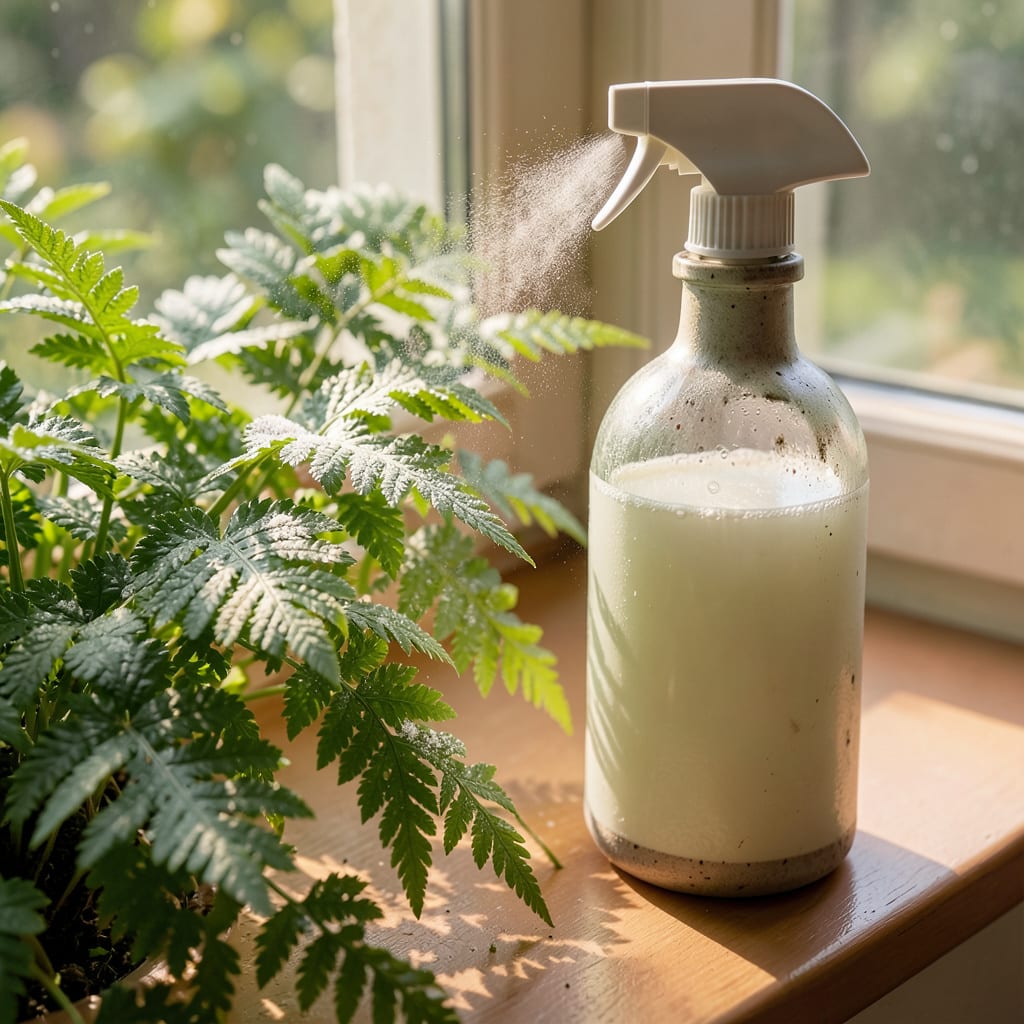
White mold on your plants doesn’t have to mean the end of the line. I’ve saved countless leaves with a simple solution that’s probably in your pantry right now.
This natural approach works without harsh chemicals, and it’s as easy as mixing a few household items. The key is catching it early—before the fuzzy growth spreads to stems and soil. One treatment often stops it in its tracks.
You’ll see results within 24-48 hours, with leaves clearing up and new growth staying healthy. The best part? It prevents future outbreaks when used as a weekly spray.
Perfect for organic gardeners or anyone tired of watching their plants suffer. Here’s how to mix it up and apply it right.
White mold, also known as Sclerotinia sclerotiorum, thrives under specific environmental and cultural conditions. Understanding these triggers helps prevent its spread and recurrence.
High humidity and prolonged wetness on plant surfaces create the perfect breeding ground for white mold. This fungus requires moisture to germinate and infect plants. Overwatering, poor drainage, or dense plant canopies that trap moisture can all contribute to its development.
White mold favors cooler temperatures, typically between 60°F and 75°F (15°C and 24°C). These conditions slow down the plant’s natural defenses while allowing the fungus to proliferate. Early spring and late fall are common times for outbreaks.
Poor air circulation due to overcrowded plants or dense foliage prevents surfaces from drying quickly. This stagnant environment promotes fungal growth, as spores can easily spread between nearby plants without proper airflow.
Decaying plant matter, such as fallen leaves or spent blooms, provides nutrients for white mold. The fungus can survive in soil or debris, waiting for favorable conditions to infect healthy plants.
Plants with excessive nitrogen or low potassium levels are more susceptible to fungal infections. Over-fertilizing with nitrogen-rich products can lead to soft, succulent growth that white mold finds easier to penetrate.
White mold on plants can be frustrating, but baking soda offers a simple, natural solution. Below are targeted fixes for common causes, along with prevention tips to keep your plants healthy.
Stagnant air encourages mold growth. Mix 1 teaspoon of baking soda with 1 quart of water and a few drops of dish soap. Spray this solution on affected leaves weekly. To prevent recurrence, prune dense foliage and ensure good airflow by spacing plants properly. Use a small fan on low settings to keep air moving in indoor gardens.
Overwatering and high humidity create the perfect environment for white mold. Apply the baking soda spray (1 tbsp baking soda + 1 gallon of water + 1 tsp dish soap) every 5–7 days until the mold disappears. Prevention tip: Water plants at the base in the morning to allow foliage to dry quickly. Avoid overhead watering and use a moisture meter to monitor soil dampness.
When plants are too close together, moisture lingers, and mold thrives. Remove severely infected leaves or plants to stop the spread, then treat the rest with the baking soda solution. Prevention tip: Follow spacing guidelines for each plant type. For container gardens, ensure pots have drainage holes and avoid overcrowding.
Stressed or weak plants are more susceptible to mold. Strengthen them with a baking soda spray (1 tsp per quart of water) and add a bit of neem oil for extra protection. Prevention tip: Keep plants healthy with balanced fertilization and proper sunlight. Rotate pots regularly for even light exposure, and remove fallen debris promptly.
💡 Pro Tip: Always test the baking soda spray on a small section of the plant first to check for sensitivity. Store unused solution in a cool, dark place for up to a week.
Use the baking soda mixture every 5-7 days until the mold is gone. For prevention, a weekly spray keeps plants protected.
Baking soda is gentle, but always test on a small area first. Some sensitive plants may react to the soap. Dilute properly to avoid leaf burn.
The soap helps the solution stick to leaves and breaks down the mold’s protective layer. Use 1 teaspoon per quart for best results.
Improve airflow, reduce humidity, and remove infected debris. Persistent issues may need stronger organic fungicides like neem oil.
