
Beautiful Plants For Your Interior
Beautiful Plants For Your Interior
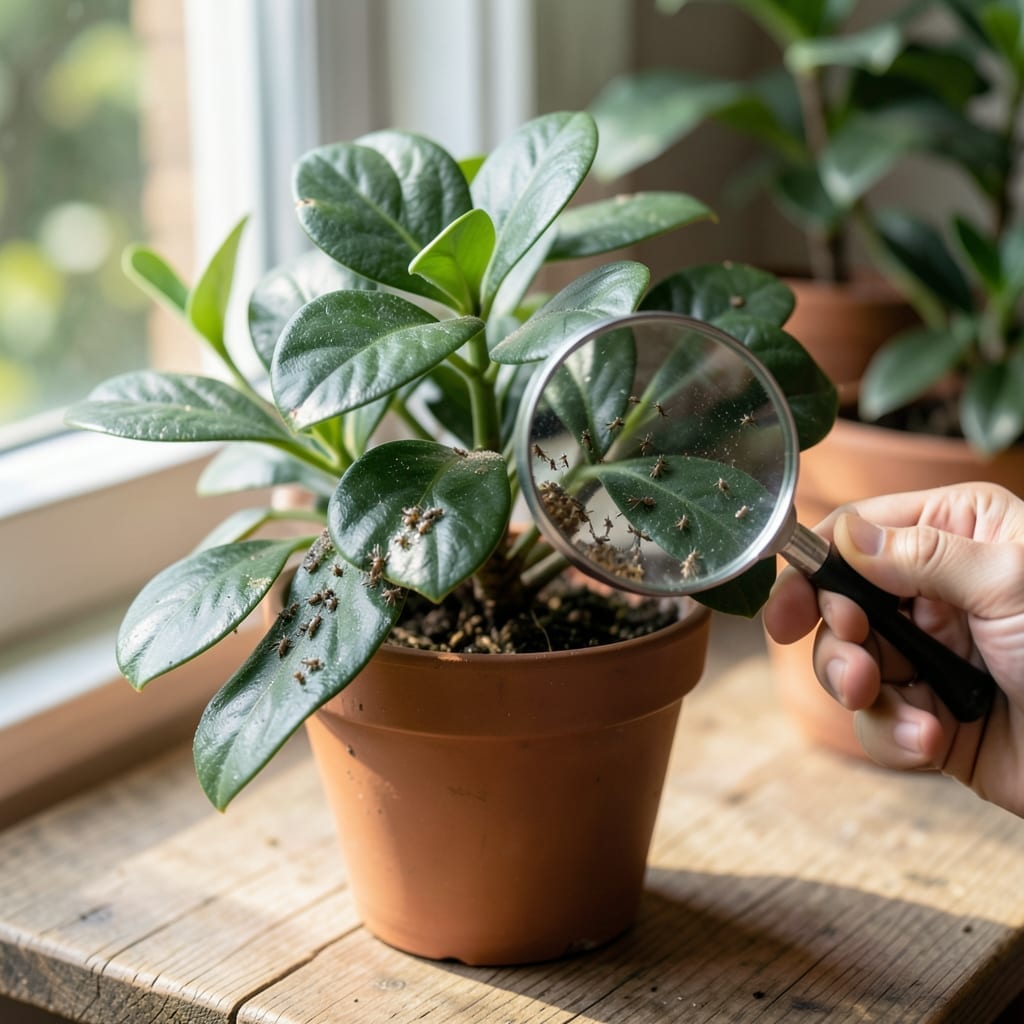
That sticky residue on your plant leaves isn’t just unsightly—it’s a red flag. I’ve lost count of how many plants I’ve saved by catching this early. The culprit is usually pests leaving behind honeydew, a sugary waste that attracts mold and weakens your greenery.
Most often, aphids, scale, or mealybugs are to blame. They’re tiny, sneaky, and multiply fast. But here’s the thing—once you spot the stickiness, you’re already ahead of the game. A simple inspection with a magnifying glass will reveal the real invaders.
Natural fixes work fast if you act quickly. A blast of water or a mild soap solution can knock them out before they spread. The key is consistency—check your plants weekly, especially the undersides of leaves where pests love to hide.
Your plants will bounce back with healthier foliage in no time. The best part? You’ll prevent this from happening again with a few easy habits.
Sticky leaves on your plants can be alarming, but they’re often a sign of underlying issues that can be addressed. Here’s why it happens:
One of the most common causes of sticky leaves is honeydew secretion from sap-sucking pests like aphids, mealybugs, or scale insects. These pests pierce plant tissues to feed on sap, excreting a sugary, sticky residue in the process. Honeydew not only makes leaves sticky but can also attract sooty mold, a black fungus that further harms the plant. Check the undersides of leaves and stems for clusters of small, soft-bodied insects.
Plants under stress, particularly from overwatering or poor drainage, may produce excess sap or resins as a defense mechanism. This can lead to a sticky film on the leaves. Overwatering can also create a humid environment that encourages pest infestations, compounding the problem. Ensure your plants are in well-draining soil and water only when the top inch of soil is dry.
Over-fertilizing, especially with high-nitrogen formulas, can cause plants to produce excess sap. This sap can ooze out and leave a sticky residue on the leaves. If you’ve recently fertilized your plants and notice sticky foliage, flush the soil with water to remove excess nutrients and adjust your feeding schedule.
High humidity or sudden temperature fluctuations can sometimes cause plants to exude a sticky substance as a response to stress. This is more common in tropical or sensitive plant species. Maintain consistent growing conditions and provide adequate airflow to reduce humidity-related stress.
Sticky leaves can be a nuisance, but the good news is that most causes have simple, natural solutions. Here’s how to tackle the issue based on the root problem:
If aphids, scale, or mealybugs are to blame, start by gently wiping leaves with a damp cloth or cotton swab dipped in soapy water (1 tsp mild dish soap per 1 liter of water). For heavier infestations, spray the plant with neem oil or insecticidal soap, focusing on the undersides of leaves. Repeat every 5–7 days until pests are gone.
Prevention: Inspect new plants before bringing them home, and keep a close eye on vulnerable species like roses or citrus. Encourage natural predators like ladybugs! 🐞
If the stickiness is from honeydew (pest waste) or plant sap, rinse leaves with lukewarm water to remove residue. Avoid harsh chemicals, as they can damage foliage. If pests are the source, treat as above. For sap from wounds or pruning, simply wipe the area clean and let the plant heal.
Prevention: Prune carefully to avoid excess sap, and address pest issues promptly to prevent honeydew buildup.
Excess fertilizer can cause sticky residue on leaves. Flush the soil with water to remove built-up salts—run water through the pot for 2–3 minutes, letting it drain freely. Reduce fertilizing frequency and always follow package instructions.
Prevention: Fertilize during the growing season only, and opt for slow-release or organic options. 💡 Less is often more!
If a fungal or bacterial issue is causing stickiness (e.g., from oozing lesions), remove affected leaves with sterilized pruners. Treat the plant with a copper-based fungicide or a baking soda spray (1 tsp baking soda + 1 quart water + a drop of soap). Improve airflow around the plant to discourage further growth.
Prevention: Avoid overhead watering, and space plants properly to reduce humidity buildup.
Inspect the undersides of leaves with a magnifying glass. Look for tiny bugs like aphids or white cottony clusters (mealybugs). Honeydew often appears as clear, sticky droplets.
Yes! Mix 1 tsp mild dish soap in 1 liter of water and gently wipe leaves. For stubborn residue, use a soft cloth dampened with lukewarm water.
If left untreated, honeydew can attract sooty mold, blocking sunlight and weakening the plant. Address the cause quickly to prevent lasting damage.
Inspect weekly, especially during growing season. Focus on new growth and leaf undersides where pests hide. Early detection makes treatment easier.