
Beautiful Plants For Your Interior
Beautiful Plants For Your Interior
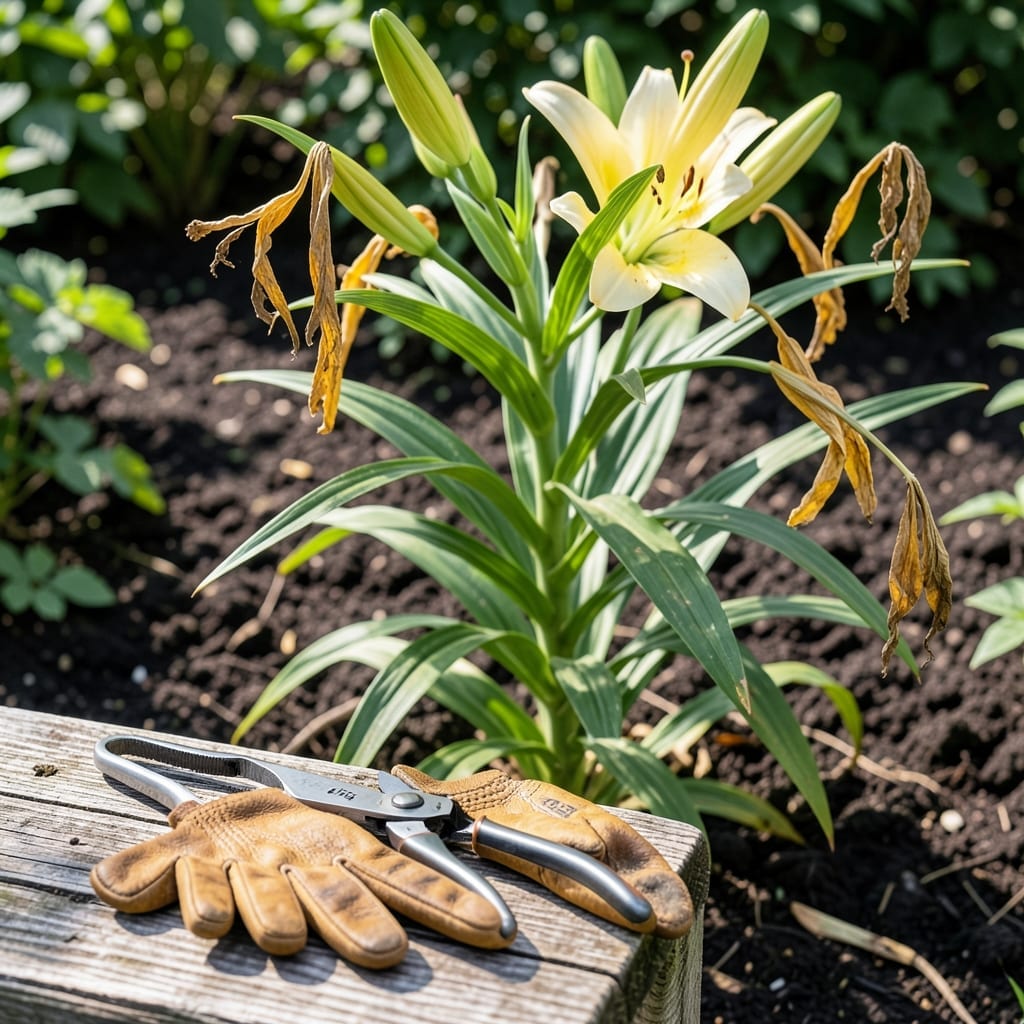
Ever stared at your garden wondering why your 🌷 Lily plants aren’t thriving like they should? The timing of that post-bloom trim could be the missing piece. Proper pruning isn’t just about aesthetics – it’s about setting the stage for next year’s spectacular display.
Cutting back at the right moment helps your Lilies store energy and fend off diseases. Do it too early or late, and you risk weak growth or fewer blooms. I’ll show you exactly when to make the cut.
Whether you’re a seasoned gardener or just starting out, understanding this simple timing can transform your garden. Let’s get those Lilies ready to shine next season.
Timing your lily pruning is everything for next season’s blooms. I’ve learned that cutting back too early can rob the plant of vital energy it needs to store for winter. The key is patience.
Most lily varieties, like Asiatic and Oriental, need their foliage to photosynthesize after blooming. This process feeds the bulb for next year’s growth. Cutting back at the wrong time can severely impact their performance.
| Lily Type | Best Pruning Time | Key Reason |
|---|---|---|
| Asiatic | Late Fall | After foliage yellows |
| Oriental | Early Spring | Before new growth |
| Trumpet | Fall | Energy storage |
| Daylilies | Late Fall | After frost |
Late fall is generally the safest time for most lilies. This allows the foliage to die back naturally, channeling all its energy into the bulb. I always wait until the leaves turn brown and crispy.
For spring pruning, early March is ideal in most zones. I
Summer pruning is only for deadheading spent blooms. I never remove the stems or leaves during this time. The plant still needs that foliage to produce food for next year’s flowers.
Winter pruning isn’t recommended in cold climates. The dead foliage actually provides some insulation for the bulbs. I’ve seen gardeners lose entire beds by cutting back too early in winter.
In warmer zones, you might prune in late winter before new growth starts. But always check your local frost dates first. I’ve found that lilies in containers need slightly different timing than those in ground.
Remember that daylilies are the exception – they can handle a light trim after their first flush of blooms. But even then, I leave most of the foliage until late fall for that crucial energy storage.
Proper timing isn’t just about the calendar. Watch your plants closely. When the stems turn completely brown and pull away easily from the bulb, that’s nature’s signal it’s time to cut back.
This patient approach has given me the most vibrant blooms year after year. It’s worth the wait to do it right ✂️
Proper pruning starts with the right tools. I always use clean, sharp bypass pruners to make precise cuts. Dull tools can crush stems, inviting disease and slowing healing.
First, I remove only the spent flower heads after blooming, leaving the stems and leaves intact. This keeps the plant photosynthesizing while maintaining a tidy appearance.
When cutting back in late fall, I
I always sterilize my pruners with rubbing alcohol between plants. This simple step prevents the spread of pathogens that could harm your entire lily bed.
After pruning, I add a 2-inch layer of mulch around the base. This protects the bulbs from freeze-thaw cycles while allowing for proper drainage.