
Beautiful Plants For Your Interior
Beautiful Plants For Your Interior
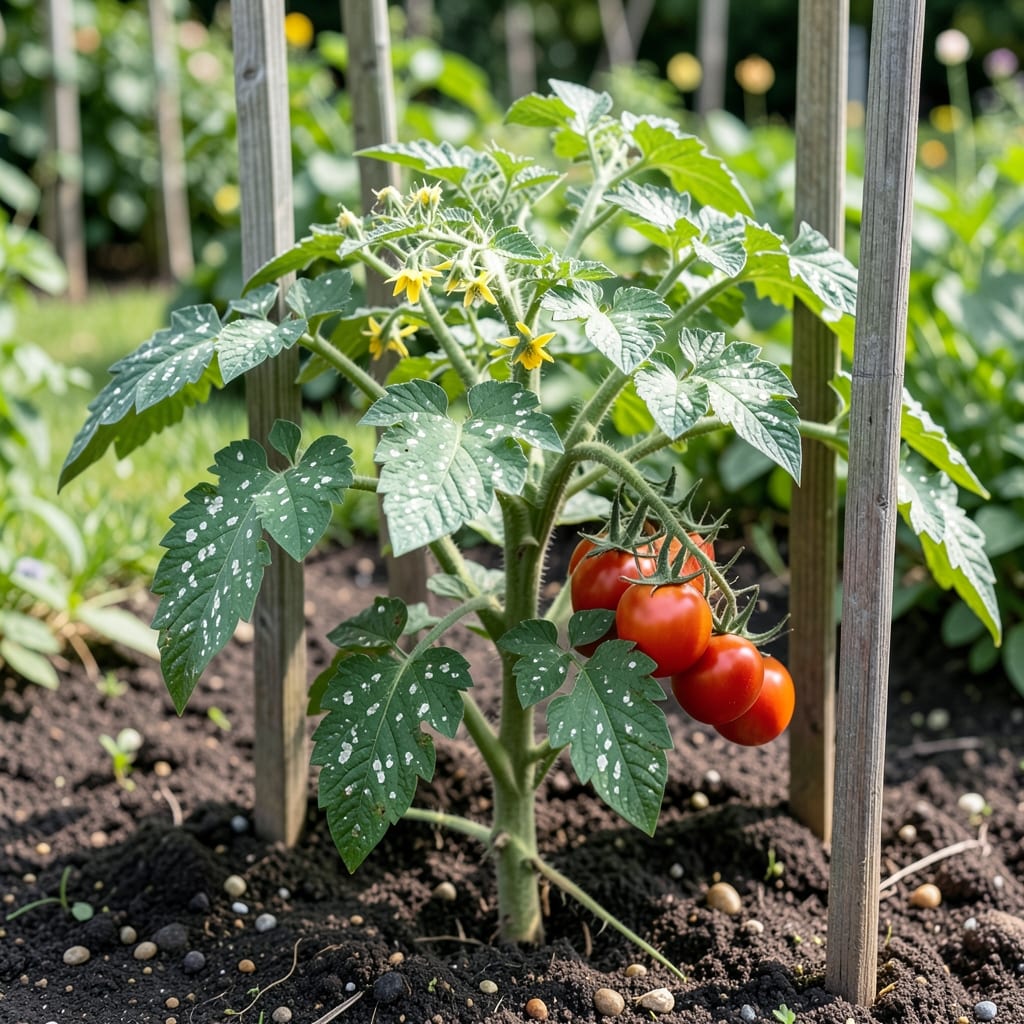
White spots on tomato leaves always set off alarm bells. I first noticed them mid-July on my heirlooms, and ignoring them cost me half my harvest that season.
These spots often signal fungal issues like powdery mildew or early blight. Sometimes pests or even sunscald are the culprits. The key is catching them before they spread to fruits and stems.
With quick action, you can save your plants. I now check leaves weekly and treat at the first sign. Simple solutions like copper fungicide or neem oil work wonders.
Prevention beats treatment every time. Proper spacing, drip irrigation, and morning watering keep most problems at bay. Your tomatoes will thank you with a bountiful harvest.
White spots on tomato plants can appear for several reasons, often tied to environmental stress, pests, or diseases. Understanding the root cause is key to choosing the right treatment. Below are the most common culprits, explained scientifically and with actionable insights.
Tomatoes exposed to intense sunlight or sudden temperature spikes may develop white or yellowish blotches on leaves and fruit. This happens because the plant’s tissues are damaged by UV radiation or heat shock, leading to cell death in affected areas. Young plants or those recently transplanted are especially vulnerable.
Fungi like Powdery Mildew (Leveillula taurica) or Early Blight (Alternaria solani) can cause white, powdery spots on leaves. These pathogens thrive in high humidity (70-90%) and moderate temperatures (60–80°F). Spores spread via wind or water, infecting plants through stomata (leaf pores).
Insects such as whiteflies, spider mites, or thrips feed on tomato sap, leaving behind stippled white spots or webbing. Whiteflies, for example, secrete honeydew, which can promote sooty mold growth, further stressing the plant.
Nutrient imbalances, particularly calcium or magnesium deficiency, may manifest as white or chlorotic (yellow) spots. Calcium is crucial for cell wall stability, and its lack can cause blossom end rot or leaf discoloration. Magnesium, a core component of chlorophyll, affects photosynthesis when deficient.
White spots on your tomato leaves or fruit can be frustrating, but most causes are treatable with quick action. Below are targeted fixes for each common culprit, plus prevention tips to keep your plants thriving.
Mix 1 tablespoon baking soda + 1 teaspoon dish soap + 1 gallon water and spray affected leaves weekly until resolved. Prevention: Improve airflow by pruning dense foliage and watering at the base to keep leaves dry. 💡 Pro tip: Space plants 2–3 feet apart for better circulation.
Remove and destroy infected leaves (don’t compost them!). Apply copper-based fungicide every 7–10 days. Prevention: Rotate crops yearly and avoid overhead watering. Use mulch to prevent soil splash onto leaves.
Prune infected lower leaves and treat with neem oil or a biofungicide. Prevention: Choose resistant varieties (e.g., ‘Mountain Merit’) and remove plant debris after harvest. ✨ Bonus: Solarize soil before planting to kill lingering spores.
For spider mites or aphids, spray leaves with insecticidal soap or a 50/50 water-rubbing alcohol mix. Prevention: Introduce beneficial insects like ladybugs. Check undersides of leaves weekly for early signs.
Shade plants during peak sun (use 30–50% shade cloth) and rinse leaves if chemical drift is suspected. Prevention: Apply pesticides/sprays in the evening and test on a small area first. 🎯 Key: Harden off seedlings gradually to avoid shock.
No, they can also result from sunburn, pest damage, or mineral deficiencies. Check for patterns—powdery spots suggest fungus, while stippled dots often mean pests.
In warm, humid conditions, powdery mildew can spread across a plant in 2-3 days. Early blight may take 1-2 weeks to show significant damage. Act fast to contain it.
Yes, if the spots are only on leaves. Discard fruit with blemishes, as some fungal pathogens can affect flavor or safety. Always wash produce thoroughly.
Improve airflow with 2-3 feet spacing, water at the base, and rotate crops yearly. Regularly inspect leaves for early signs.