
Beautiful Plants For Your Interior
Beautiful Plants For Your Interior
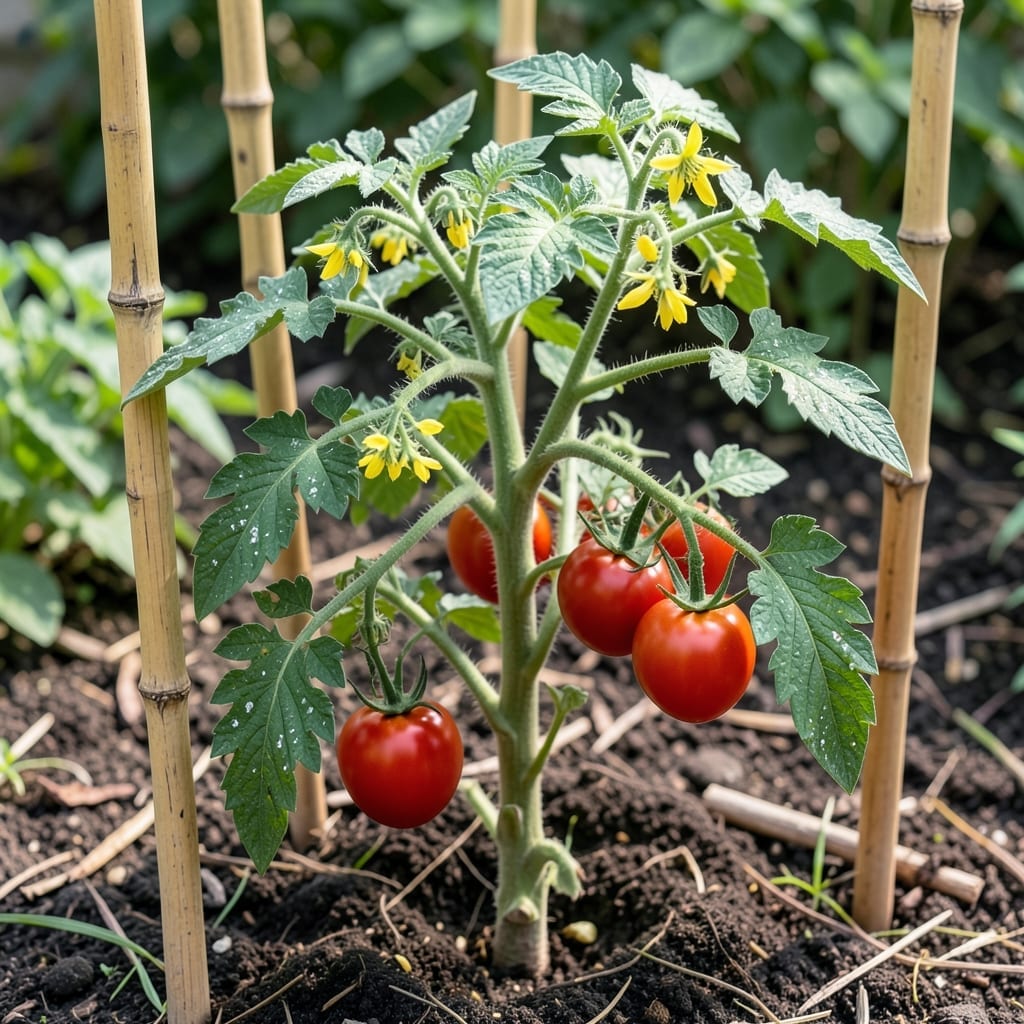
White spots on tomato leaves stopped me in my tracks last season. Here’s the thing—those spots aren’t just unsightly, they’re your plant’s way of waving a red flag.
I’ve learned the hard way that early action makes all the difference. Most cases come down to 3 main culprits: fungal issues, pest damage, or environmental stress from water or sun.
With the right approach, you can turn things around before they spread. I keep a close eye on leaf undersides and adjust watering habits first—it’s often the simplest fix.
Your tomatoes can bounce back stronger. The key is catching it early and responding with targeted care, not panic.
White spots on your tomato leaves can signal several underlying issues, each tied to specific environmental or biological factors. Understanding these causes helps you act fast and target the right solution.
Early blight (Alternaria solani) and powdery mildew (Podosphaera xanthii) are common culprits. Fungal spores thrive in high humidity (above 85%) and poor air circulation, germinating on wet foliage. Early blight creates concentric white or brown rings, while powdery mildew leaves a dusty white coating, often on leaf undersides. 💡 Prevent by spacing plants 18–24 inches apart and watering at the base in the morning.
Pseudomonas syringae or Xanthomonas bacteria cause water-soaked spots that turn white or yellow as tissue dies. These pathogens spread via splashing water (rain or overhead irrigation) and enter through wounds or stomata. Warm, wet conditions (75–85°F with moisture) accelerate infection. Remove infected leaves immediately and avoid overhead watering.
Spider mites and whiteflies feed on sap, leaving behind tiny white or yellow stipples. Spider mites prefer hot, dry weather (above 80°F, low humidity), while whiteflies thrive in greenhouse environments. Their feeding disrupts chlorophyll, creating a speckled appearance. Blast mites off with water or introduce ladybugs for biological control.
Sunscald or nutrient deficiencies (like magnesium or calcium) can also cause white patches. Sunscald occurs when leaves are exposed to intense sunlight after sudden pruning, bleaching the tissue. Magnesium deficiency (interveinal chlorosis) starts as yellowing between veins, progressing to white. Apply shade cloth during peak sun and use Epsom salt (magnesium sulfate) for deficiencies.
Tackling white spots on your tomato plants starts with identifying the cause and applying the right fix. Here’s a practical guide to treating and preventing the most common issues:
Fix: Remove and destroy infected leaves immediately to stop the spread. Spray the plant with a baking soda solution (1 tsp baking soda, 1 quart water, a few drops of dish soap) or a copper-based fungicide. For severe cases, use neem oil (mix 2 tbsp per gallon of water) and apply weekly.
Prevention: 💡 Improve air circulation by pruning dense foliage and spacing plants 18–24 inches apart. Water at the base in the morning to keep leaves dry. Rotate crops yearly to avoid soil-borne fungi.
Fix: Blast pests off with a strong stream of water, then apply insecticidal soap (1 tbsp mild soap per quart of water) or introduce natural predators like ladybugs. For stubborn infestations, use horticultural oil.
Prevention: ✨ Inspect leaves weekly, especially the undersides. Encourage beneficial insects by planting companion flowers like marigolds or basil. Avoid over-fertilizing, which attracts pests.
Fix: Shield plants with 30–50% shade cloth during peak sunlight (10 AM–4 PM). Move potted tomatoes to a shadier spot temporarily.
Prevention: 🌡️ Harden off seedlings gradually before transplanting. Mulch around the base to retain moisture and regulate soil temperature.
Fix: Let the soil dry out slightly between waterings. If roots are waterlogged, improve drainage by amending the soil with compost or perlite.
Prevention: 🎯 Use drip irrigation to deliver water directly to the roots. Ensure containers have drainage holes, and avoid soggy soil.
Fix: For calcium deficiency (blossom end rot can accompany leaf spots), add crushed eggshells to the soil or use a calcium-rich foliar spray. For magnesium, apply Epsom salt (1 tbsp per gallon of water) as a soil drench.
Prevention: Test soil annually and amend with balanced organic fertilizer. Maintain a pH of 6.0–6.8 for optimal nutrient uptake.
No, they can also come from pests, sunscald, or nutrient shortages. Check for webbing (mites) or sticky residue (whiteflies) first. Environmental stress often mimics disease symptoms.
Neem oil or fungicides show improvement in 3-7 days for fungal issues. Pest treatments like insecticidal soap work within 24-48 hours. Consistency is key for full recovery.
Yes, if the fruit shows no spots or damage. Wash thoroughly before eating. Avoid consuming leaves or stems with visible issues. When in doubt, discard affected parts.
Prune lower leaves to improve airflow and reduce humidity. Remove 1-2 leaves per week from dense areas, but never take off more than 1/3 of foliage at once.