
Beautiful Plants For Your Interior
Beautiful Plants For Your Interior
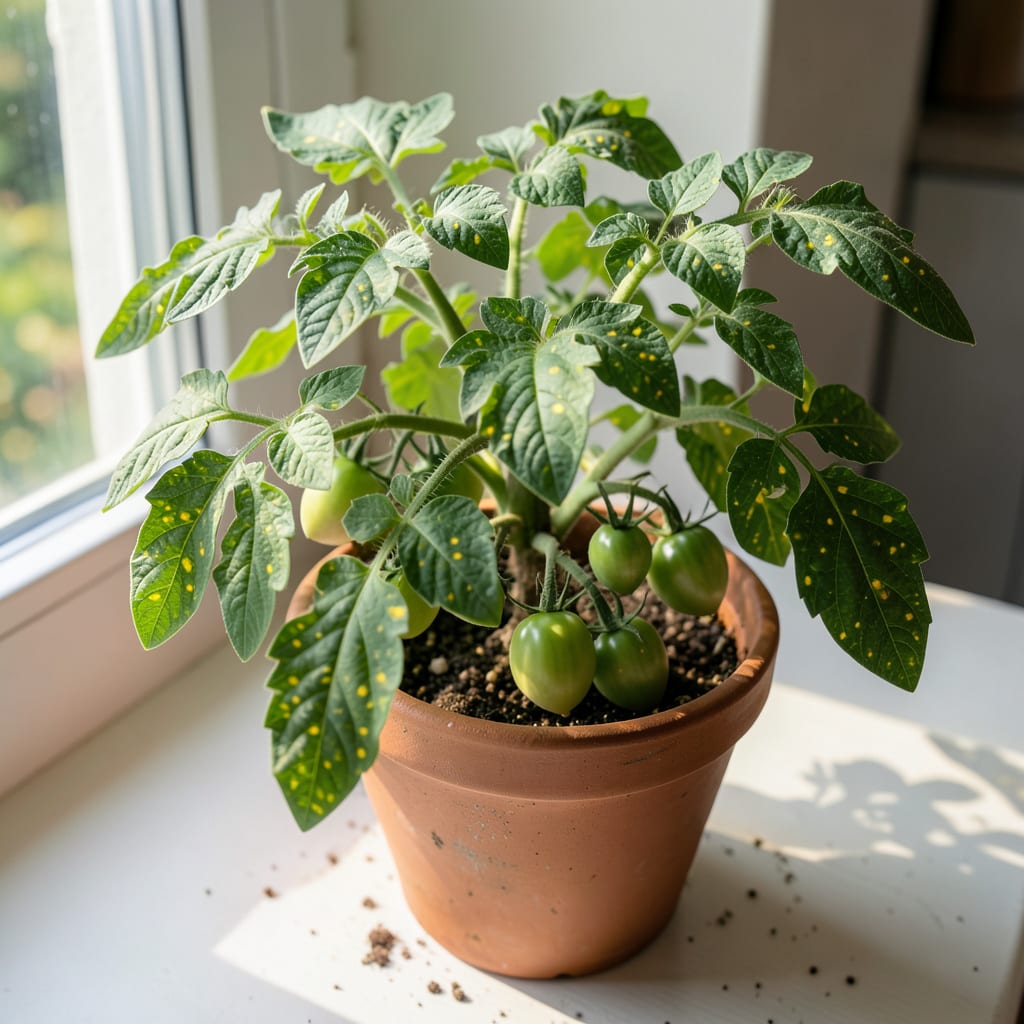
Yellow spots on tomato leaves signal trouble, but it’s fixable. I’ve nursed countless plants back from the brink by focusing on the root cause—not just the symptoms.
Most often, it’s a nutrient imbalance or soil pH issue. Too much water, not enough magnesium, or even a sneaky fungal visitor can trigger those telltale marks. The key is narrowing it down fast.
Once you pinpoint the problem, the solution is straightforward: adjust your care, amend the soil, or treat the disease. Your plants can rebound in 1-2 weeks with the right approach.
Prevention is simpler than cure. Regular checks and balanced soil keep your tomatoes thriving all season long.
Yellow spots on tomato leaves often signal underlying issues that disrupt chlorophyll production or cell structure. Here’s a breakdown of the most frequent causes, each backed by science and actionable insights:
Lack of essential nutrients like magnesium (central leaf yellowing with green veins) or potassium (scorched edges + yellow spots) can trigger chlorosis. These elements are vital for photosynthesis. Test soil with a pH meter—tomatoes thrive in 6.0–6.8 pH. Amend with compost or Epsom salt (for magnesium) to correct imbalances.
Excess moisture suffocates roots, reducing oxygen uptake and causing root rot. Fungi like Phytophthora thrive in soggy soil, leading to yellow lesions. Ensure pots have drainage holes and water only when the top inch of soil is dry. Mulch can help regulate moisture without waterlogging.
Pathogens such as Early Blight (Alternaria solani) create concentric yellow-brown spots, while Septoria Leaf Spot causes small, circular yellow halos. These spread via spores in wet conditions. Remove infected leaves immediately, avoid overhead watering, and apply copper-based fungicides preventatively.
Sap-sucking pests like aphids or whiteflies inject toxins into leaves, causing stippling or yellow mottling. Check leaf undersides for clusters. Blast pests off with water or use neem oil for organic control. Ladybugs are natural predators that can help manage outbreaks.
Extreme heat (>90°F) or sudden temperature drops can disrupt nutrient transport, leading to localized yellowing. Provide afternoon shade in hot climates and use row covers to stabilize temperatures. Ensure consistent watering to mitigate stress.
Tackle those yellow spots on your tomato leaves with these targeted fixes, and restore your plant’s health in no time.
If the issue is a lack of magnesium or nitrogen, act fast:
Yellow spots from soggy roots? Here’s how to dry things out:
✨ Prevention: Water early in the day so leaves dry quickly, reducing fungal risks.
Spots with dark edges or a slimy feel? Combat them with:
🎯 Prevention: Space plants 18–24 inches apart for airflow, and avoid overhead watering.
If leaves in direct sunlight develop yellow patches:
🌡️ Prevention: Harden off seedlings gradually before transplanting to full sun.
Nutrient issues often show uniform yellowing between veins, while diseases create irregular spots with dark edges or halos.
Existing yellow leaves typically won’t recover, but new growth will be healthy. Remove badly affected leaves to redirect energy.
Yes! A mix of 1 tsp baking soda and 1 quart water with a drop of soap makes an effective spray. Apply weekly.
Inspect leaves daily during wet weather or heatwaves. Catching issues early prevents spread to other plants.
